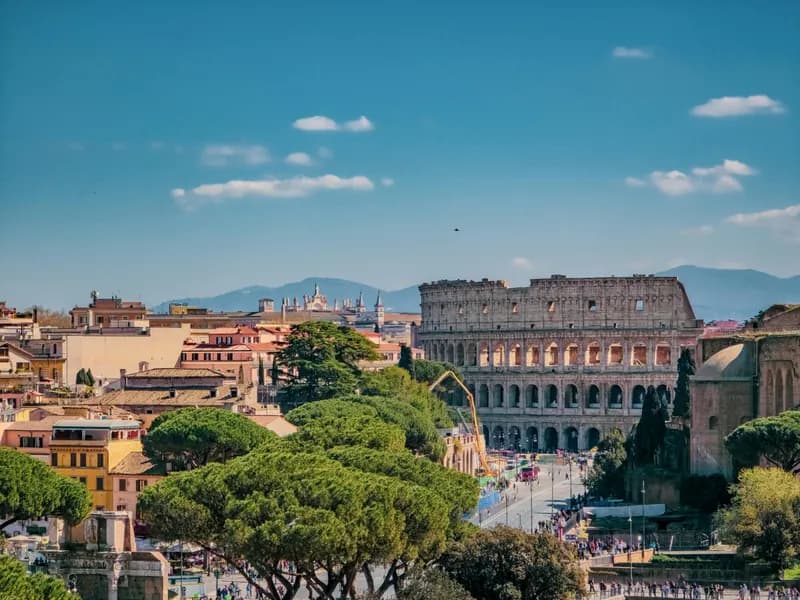
Overview
Rome is history made tangible—a city where you walk over ancient ruins, where 2,000-year-old buildings are neighborhood fixtures, where layers of empire (Roman, papal, modern Italian) coexist visibly. The Colosseum, the Forum, the Pantheon aren't museum pieces; they're part of the city's actual fabric. Yet Rome isn't a history museum; it's a living capital where Italians navigate, work, gather in plazas, and maintain their own rhythms. The food is exceptional and rooted in neighborhood tradition. The neighborhoods each have character and history. The pace is slower than many capitals; the social culture is paramount. Rome can overwhelm with its grandeur and crowds; it rewards those who slow down, spend time in neighborhoods, understand the layers, and move beyond the most obvious attractions.
Best Time to Visit
April through May and September through October offer warm weather without summer intensity. Spring brings renewal; fall is contemplative. Summer is hot, crowded, and expensive. Winter is mild and offers solitude with good light for photography.
### Neighborhoods and Areas to Know
Centro Storico (Historic Center) The area around the Pantheon and Piazza Navona is the medieval and Renaissance core. It's touristy and crowded but genuinely important and beautiful.
Colosseum Area The ancient Roman sites (Forum, Palatine Hill) concentrate around the Colosseum. It's historically significant and overwhelming; the crowds require strategy for meaningful engagement.
Vatican The papal city contains St. Peter's Basilica and the Vatican Museums (including the Sistine Chapel). It's a must-see and extremely crowded. Book in advance for skip-the-line access.
Trastevere West of the Tiber, Trastevere is more residential and village-like. It's gentrifying and increasingly touristy but retains neighborhood character. It's where Romans gather; it's worth exploring.
Testaccio A working-class neighborhood with local character, markets, and restaurants serving locals, Testaccio is authentic Rome. The neighborhood is gentrifying but still maintains genuine community.
Monti A neighborhood above the Forum, Monti is increasingly upscale with boutiques and restaurants. It's attractive but less authentic than other areas.
Esquiline A neighborhood with immigrant communities (particularly Indian, Filipino), Esquiline offers different Rome—diverse, affordable, authentic working-class energy.
### Food & Drink
Roman cuisine is simple and ingredient-focused: pasta with guanciale (cured pork cheek), pecorino cheese, and black pepper (Cacio e Pepe); carbonara; carciofi alla romana (artichokes); Jewish-Roman cuisine. Gelato is serious. Wine is good and accessible. The café culture is strong; spending time over coffee or aperitivo is normal. Street food includes suppli (fried risotto balls) and pizza; mid-range restaurants serve Roman specialties; elevated dining presents these ingredients with technique.
### Experiences by Traveler Type
Couples - Walk the neighborhoods slowly, discovering small streets and plazas - Share romantic meals in neighborhood restaurants, eating slowly - Visit major sites (Pantheon, Colosseum) early morning or late evening for atmosphere - Watch sunset from viewpoints overlooking the city (Janiculum Hill, Spanish Steps area)
Solo Travelers - Stay in Trastevere or Monti for neighborhood feel and reduced tourist density - Take walking tours focused on neighborhoods or specific historical periods - Spend time in museums at your own pace; many require sustained attention - Join organized group tours to major sites if interested in background
Groups - Book a group walking tour of major sites, then explore independently - Organize a progressive dinner through different neighborhoods - Take a group cooking class learning Roman cuisine - Rent a group apartment in a neighborhood as a social base
Families - Visit the Colosseum (impressive for children; book timed entry) - Climb to viewpoints (Janiculum Hill) for views and physical engagement - Explore plazas and neighborhoods by walking, which is engaging for kids - Visit museums at a relaxed pace, focusing on sections that interest
Adventure Travelers - Hiking in surrounding Castelli Romani hills - Rock climbing opportunities near Rome - Cycling through the city and surrounding areas - Multi-day hiking trips through regions around Rome
### Getting Around
Rome's public transportation (metro, buses, trams) is integrated but navigating can be confusing. Taxis are available and reasonable. Walking connects neighborhoods, though the city is spread. The city requires strategy but is navigable.
### Insider Tips
- 1Book major attractions in advance. The Colosseum, Sistine Chapel, and other major sites have long lines. Online booking or skip-the-line services save hours.
- 1Trastevere is worth time but go early. The neighborhood is beautiful and authentic but increasingly touristy, especially evening. Go midday or early evening before it becomes a scene.
- 1Testaccio reveals working-class Rome. Explore this neighborhood for authentic restaurants, markets, and the Rome that locals inhabit—not the tourist version.
- 1Walk neighborhoods rather than rushing between sites. Rome's magic often emerges in small streets, plazas, churches tucked away, neighborhood details. The checklist-approach misses Rome's actual character.
- 1The neighborhoods vary dramatically by time of day. Midday is crowded and hot; early morning and late evening reveal different cities. Adjust your schedule to take advantage of quieter times.
### The Velvano Touch
Rome is a city of undeniable historical importance and continued vibrancy. The challenge is moving beyond the overwhelming crowds and iconic sites to discover the neighborhoods where Romans actually live, the restaurants where locals eat, and the quieter moments when the city reveals its rhythm. We'll craft your days around balancing the historically significant sites with neighborhood exploration, visiting major attractions at strategic times, and moving at a pace that allows genuine engagement with what makes Rome eternal.
---
Food & Drink
Roman cuisine is simple and ingredient-focused: pasta with guanciale (cured pork cheek), pecorino cheese, and black pepper (Cacio e Pepe); carbonara; carciofi alla romana (artichokes); Jewish-Roman cuisine. Gelato is serious. Wine is good and accessible. The café culture is strong; spending time over coffee or aperitivo is normal. Street food includes suppli (fried risotto balls) and pizza; mid-range restaurants serve Roman specialties; elevated dining presents these ingredients with technique.
Getting Around
Rome's public transportation (metro, buses, trams) is integrated but navigating can be confusing. Taxis are available and reasonable. Walking connects neighborhoods, though the city is spread. The city requires strategy but is navigable.
Insider Tips
- 1Book major attractions in advance. The Colosseum, Sistine Chapel, and other major sites have long lines. Online booking or skip-the-line services save hours.
- 1Trastevere is worth time but go early. The neighborhood is beautiful and authentic but increasingly touristy, especially evening. Go midday or early evening before it becomes a scene.
- 1Testaccio reveals working-class Rome. Explore this neighborhood for authentic restaurants, markets, and the Rome that locals inhabit—not the tourist version.
- 1Walk neighborhoods rather than rushing between sites. Rome's magic often emerges in small streets, plazas, churches tucked away, neighborhood details. The checklist-approach misses Rome's actual character.
- 1The neighborhoods vary dramatically by time of day. Midday is crowded and hot; early morning and late evening reveal different cities. Adjust your schedule to take advantage of quieter times.
### The Velvano Touch
Rome is a city of undeniable historical importance and continued vibrancy. The challenge is moving beyond the overwhelming crowds and iconic sites to discover the neighborhoods where Romans actually live, the restaurants where locals eat, and the quieter moments when the city reveals its rhythm. We'll craft your days around balancing the historically significant sites with neighborhood exploration, visiting major attractions at strategic times, and moving at a pace that allows genuine engagement with what makes Rome eternal.
---