Overview
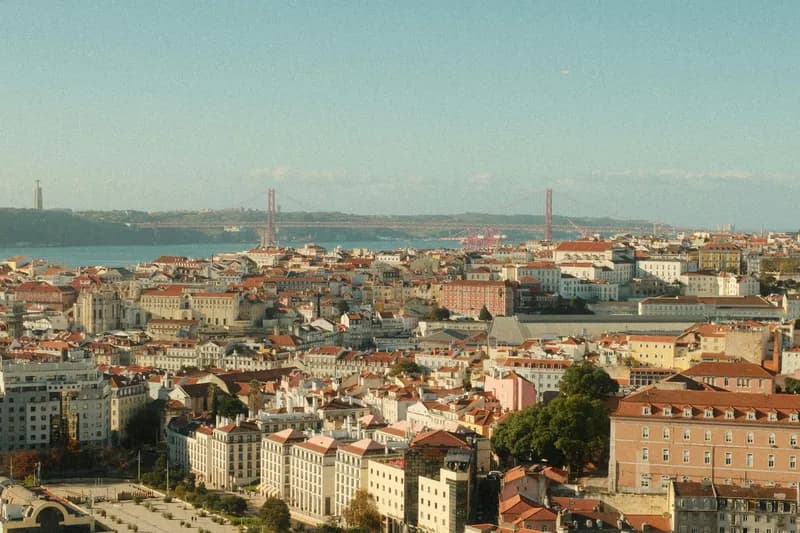
Lisbon tumbles down hills toward the Tagus River—a city of steep streets, colorful buildings, and light that seems to have a particular quality. The city isn't perfectly preserved; it's lived-in, sometimes rough around edges, constantly changing. But this is its charm: authentic neighborhoods where locals gather in tascas (neighborhood taverns), independent galleries convert old spaces, and street art colors walls. The Fado music tradition carries melancholy and beauty; the pastéis de nata (custard pastries) are sublime; the seafood is exceptional. The hilliness requires fitness but rewards effort with views and the sense of ascending through neighborhoods with distinct character. Lisbon feels younger and fresher than it once did—a city rediscovering itself without erasing its past. The pace is slower than other Western European capitals; the culture values community and gathering over rushing.
Best Time to Visit
April through May and September through October offer warm weather without summer's intensity. Spring brings renewal and flowers; fall is contemplative. Summer is warm and busy; winter is mild and rainy but brings quieter exploration and authentic local life.
### Neighborhoods and Areas to Know
Baixa (Downtown) The central riverside district rebuilt after the 1755 earthquake, Baixa is geometric and planned. It contains major plazas, shops, and transit hubs. It's touristy but functional as a navigation point.
Alfama Alfama's narrow, winding streets—the oldest neighborhood, predating the earthquake—tumble down toward the river. It's atmospheric, hilly, and full of tascas serving wine and simple food. It's touristy on main streets but genuinely neighborhood-focused one street removed.
Bairro Alto Bairro Alto sits above Baixa and contains bohemian energy. It's known for Fado restaurants, bars, and independent shops. It's gentrifying but retains a mix of student culture and creative community. The nightlife is lively; the neighborhood is walkable but hilly.
Príncipe Real A neighborhood of tree-lined streets, independent boutiques, galleries, and design-forward spaces, Príncipe Real is contemporary Lisbon at its most elegant. It's upscale and walkable; it's where Lisbon's creative and affluent communities gather.
Graça and Penha de França Eastern neighborhoods with local character, cheaper restaurants, and residential feel, Graça and Penha de França are where tourists thin and neighborhood life continues. The views from these hills are spectacular.
Belém West along the river, Belém contains major monuments (Jerónimos Monastery, Belém Tower) and museums. It's significant historically; it's also more spread out than central neighborhoods.
Alcântara A former industrial neighborhood south of the river, Alcântara is being revitalized. It's where contemporary Portuguese culture lives—galleries, restaurants, nightlife—without tourist overlay.
### Food & Drink
Portuguese cuisine emphasizes fish, seafood, and simple preparation: grilled sardines, bacalao (cod) prepared multiple ways, squid, seafood rice, caldo verde (cabbage soup), cheese, and bread. Pastéis de nata are iconic. Wine is affordable and good. Beer is social. Fado is traditionally paired with wine and food, specifically in restaurants dedicated to the tradition. Street food includes grilled sardines and pastéis de nata; mid-range restaurants serve Portuguese specialties; elevated dining presents these ingredients with technique and ambition.
### Experiences by Traveler Type
Couples - Hike through Alfama's narrow streets, getting lost and finding hidden corners - Share a Fado dinner (an evening of wine, food, and live Fado music) - Ride the vintage trams (Tram 28 especially) through neighborhoods, absorbing the journey - Walk along the river at sunset, finding a quiet spot for the view
Solo Travelers - Stay in Bairro Alto or Príncipe Real where there's neighborhood energy and social opportunity - Take a walking tour focused on specific neighborhoods or Lisbon's contemporary art scene - Spend afternoons in cafés observing locals and the rhythm of Lisbon life - Join a food tour discovering street food, markets, and neighborhood restaurants
Groups - Book a group Fado night with food and wine - Rent a group apartment in Bairro Alto as a social base - Organize a progressive dinner through different neighborhoods - Take a walking tour focusing on street art and contemporary culture
Families - Explore the neighborhoods by walking or tram rides - Visit Belém for major monuments and museums (though more spread out) - Take a boat tour on the Tagus for views and change of perspective - Explore markets and street food vendors for interactive food experiences
Adventure Travelers - Hike or bike to surrounding towns and coastal areas (Sintra, Cascais by train or bike) - Rock climbing opportunities in surrounding regions - Water sports and surfing at nearby coastal areas - Multi-day hiking routes through surrounding regions
### Getting Around
Public transportation (trams, buses, metro) is efficient and cheap. The vintage trams are both transport and tourist experience. Taxis and ride-shares are available. Walking is the best way to experience the neighborhoods, though hills require fitness. Trains connect to surrounding towns.
### Insider Tips
- 1Tram 28 is iconic but crowded. Ride it for the experience, but go at off-peak times to avoid tourist density. The ride itself through neighborhoods is the experience, not the destinations.
- 1Alfama is hilly and disorienting—that's the point. Get lost in the narrow streets; follow cats and locals; you'll find hidden restaurants, sweeping views, and the neighborhood's actual texture.
- 1Fado is beautiful but choose your experience carefully. Tourist-focused Fado restaurants in Alfama can feel staged. For authentic Fado, go to neighborhood spots in Bairro Alto or ask locals for recommendations—it should feel lived in, not performed.
- 1The neighborhoods above Bairro Alto are where locals are. Graça especially—hike up there for views, local restaurants, and the sense of being in actual Lisbon rather than tourist Lisbon.
- 1Day trip to Sintra or Cascais by train. These are easy escapes providing different perspective on Portugal. Sintra's palaces are extraordinary; Cascais' coastal charm is refreshing.
### The Velvano Touch
Lisbon rewards those willing to climb hills, get lost in neighborhoods, and move at a slower pace. The city isn't about major attractions; it's about the texture—the Fado tradition, the street art, the neighborhood taverns, the light on terracotta roofs, the sense of a city in cultural renewal. We'll craft your days around neighborhood exploration, authentic experiences (Fado, street food, local gathering spaces), and moving at the pace that allows genuine engagement with what makes Lisbon unique.
---
Food & Drink
Portuguese cuisine emphasizes fish, seafood, and simple preparation: grilled sardines, bacalao (cod) prepared multiple ways, squid, seafood rice, caldo verde (cabbage soup), cheese, and bread. Pastéis de nata are iconic. Wine is affordable and good. Beer is social. Fado is traditionally paired with wine and food, specifically in restaurants dedicated to the tradition. Street food includes grilled sardines and pastéis de nata; mid-range restaurants serve Portuguese specialties; elevated dining presents these ingredients with technique and ambition.
Getting Around
Public transportation (trams, buses, metro) is efficient and cheap. The vintage trams are both transport and tourist experience. Taxis and ride-shares are available. Walking is the best way to experience the neighborhoods, though hills require fitness. Trains connect to surrounding towns.
Insider Tips
- 1Tram 28 is iconic but crowded. Ride it for the experience, but go at off-peak times to avoid tourist density. The ride itself through neighborhoods is the experience, not the destinations.
- 1Alfama is hilly and disorienting—that's the point. Get lost in the narrow streets; follow cats and locals; you'll find hidden restaurants, sweeping views, and the neighborhood's actual texture.
- 1Fado is beautiful but choose your experience carefully. Tourist-focused Fado restaurants in Alfama can feel staged. For authentic Fado, go to neighborhood spots in Bairro Alto or ask locals for recommendations—it should feel lived in, not performed.
- 1The neighborhoods above Bairro Alto are where locals are. Graça especially—hike up there for views, local restaurants, and the sense of being in actual Lisbon rather than tourist Lisbon.
- 1Day trip to Sintra or Cascais by train. These are easy escapes providing different perspective on Portugal. Sintra's palaces are extraordinary; Cascais' coastal charm is refreshing.
### The Velvano Touch
Lisbon rewards those willing to climb hills, get lost in neighborhoods, and move at a slower pace. The city isn't about major attractions; it's about the texture—the Fado tradition, the street art, the neighborhood taverns, the light on terracotta roofs, the sense of a city in cultural renewal. We'll craft your days around neighborhood exploration, authentic experiences (Fado, street food, local gathering spaces), and moving at the pace that allows genuine engagement with what makes Lisbon unique.
---