What Elevated Travel Planning Requires
Elevated travel planning is different because it's not about finding luxury—luxury is everywhere. It's about curating experiences that feel authentic, that reflect genuine expertise, that allow you to engage deeply with a place. The best elevated trips don't feel like you're being sold to; they feel like you're being invited in.
---
1. Define What "Elevated" Means to You
Elevated means different things to different travelers.
Consider: - Are you seeking exceptional dining, or is that secondary? - Do you want to be somewhere with world-class infrastructure, or does authenticity matter more? - Are you interested in exclusive access, or in deep engagement with local expertise? - Is wellness/spa a priority, or is culture/art? - Do you want to be surrounded by other affluent travelers, or do you prefer places where wealth is understated?
Your answer shapes every decision that follows.
---
2. Choose Destinations Known for Specific Expertise
Elevated travel works best in places with deep traditions.
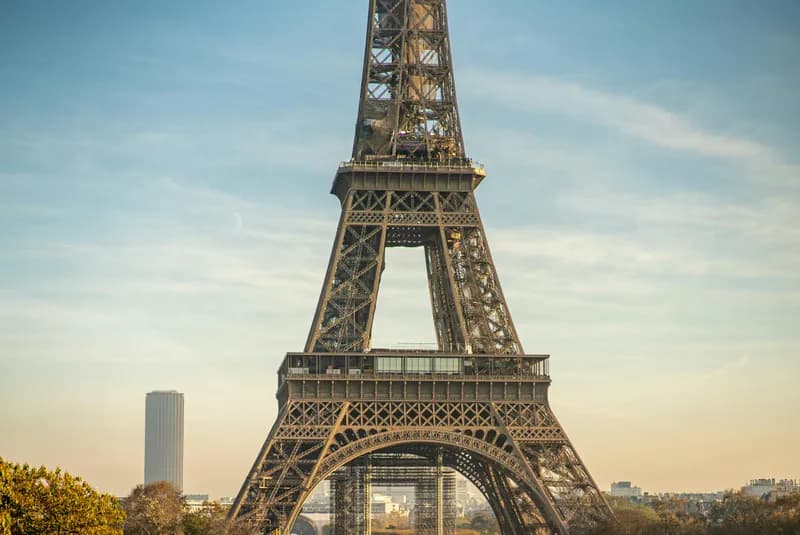
Why destinations matter: - Paris for art and culinary culture - Kyoto for craftsmanship and hospitality - Tuscany for wine and landscape - Tokyo for precision and innovation - Marrakech for artisanal traditions - Vienna for culture and history
Choose places that have something you can't replicate elsewhere—deep traditions, world-class expertise, genuine craftsmanship.
---
3. Prioritize Accommodation Quality Over Everything
Where you sleep shapes your entire experience.
What makes accommodation elevated: - Thoughtful design (not just expensive décor) - Personal service (staff know you, anticipate needs) - Authentic location (not isolated from city life) - Genuine character (historic properties, unique spaces) - Amenities that matter to you (spa, fine dining, views, seclusion)
The best elevated accommodation feels like it's designed specifically for you, not just for wealthy travelers generally.
---
4. Book Dining Experiences in Advance
Michelin stars matter less than genuine expertise.
What works: - One or two elevated dining experiences (not every meal) - Mix of fine dining and elevated casual (not all formal) - Personal guidance from local experts (they know restaurants you won't find in guides) - Cooking classes with established chefs - Wine tastings at known vineyards - Private dining experiences (smaller, more intimate)
The goal is depth, not accolades. One exceptional meal beats five mediocre fine-dining experiences.
---
5. Arrange Private Guides or Experiences
Expertise elevates travel.
Consider: - Art historians in museums - Wine experts in wine regions - Local guides in cultural neighborhoods - Craft artisans (cooking, weaving, traditional techniques) - Architecture experts in historic cities
Guides transform places from visual experiences to understood experiences. A guide explaining why a painting matters is different than reading a placard.
---
6. Build in Significant Downtime
Elevated travel requires space for reflection.
What helps: - Unscheduled mornings (waking naturally, lingering over breakfast) - Afternoons without activities (exploring or resting at your own pace) - One or two completely unstructured days per week - Time in accommodations (spas, private dining, reflection)
Constant activity exhausts even elevated travelers. Space is what distinguishes elevated travel from regular tourism with better hotels.
---
7. Choose Neighborhoods Over Tourist Areas
Elevated travel means engaging with how locals actually live.
Neighborhood qualities: - Where people live (not just where tourists sleep) - Where locals eat (markets, casual restaurants, coffee shops) - Where art and culture exist (galleries, studios, theaters) - Where independence is possible (shops, parks, gathering spaces)
Tourist areas exist everywhere. Neighborhoods are what distinguish one city from another.
---
8. Budget Appropriately for Depth
Elevated travel is expensive when planned poorly, affordable when intentional.
Budget priorities: - Accommodation: priority (20-30% of budget) - Dining: important but selective (15-25% of budget) - Experiences/guides: essential (15-20% of budget) - Activities: secondary (10-15% of budget) - Transport: necessary but minimized (10% of budget)
Skip tourist attractions in favor of deeper engagement. One guided museum tour beats five self-guided visits.
---
9. Plan Intentionally Short Trips
Elevated travel doesn't require duration.
Trip length considerations: - One week in one city is more elevated than two weeks moving constantly - Three days in Kyoto with the right accommodation is better than two weeks rushing through Japan - Depth beats breadth
Short, intentional trips let you settle into a place and engage meaningfully.
---
10. Arrange Transportation as Part of the Experience
How you move between places matters.
What works: - Private car services (not typical taxis) - First-class train travel - Flights at times that don't interrupt rhythms - Chauffeurs who know the region (they offer guidance)
Transportation shouldn't feel like logistics—it should feel like part of the experience.
---
CTA
Tell us what kind of elevated experiences matter to you, and we'll help you craft a trip that offers both exceptional service and genuine engagement.
---