Overview
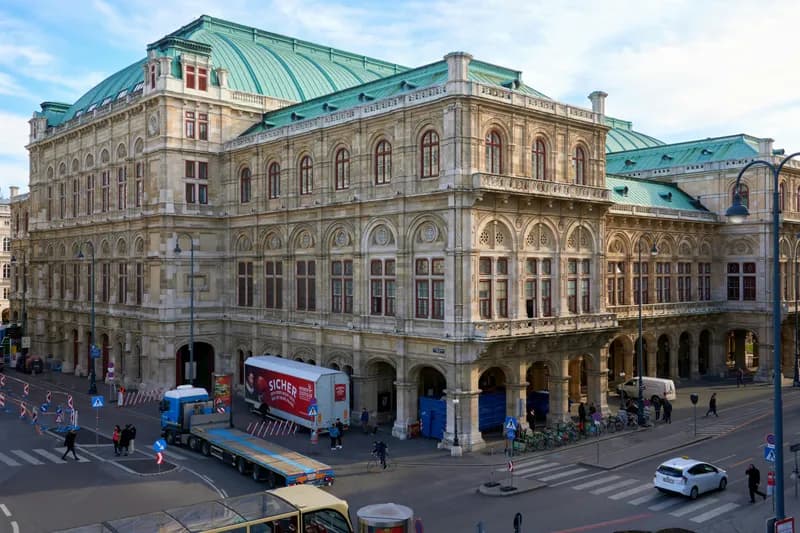
Vienna is a city of imperial grandeur and refined culture—vast palaces, classical architecture, a strong musical heritage (Mozart, Beethoven, Strauss), and café culture that's about much more than coffee. The city has grand scale (wide avenues, massive parks, enormous buildings) yet maintains human scale through neighborhoods, local markets, and the particular Austrian approach to living well. The Danube flows through; the surrounding regions (Wachau Valley wine country, Lake District) are accessible. The city moves at a slower pace than many European capitals; there's emphasis on quality and pleasure rather than rushing. The music tradition is living; concerts and performances happen constantly. The café culture is essential—spending hours over coffee and pastries in a café is how Viennese life works. The city is expensive but for those with time and curiosity, it rewards engagement deeply.
Best Time to Visit
May through June and September through October offer pleasant weather and lower crowds than summer. Spring brings renewal; fall brings contemplative quality. Summer is warm but busy with tourists; winter is cold but brings atmospheric quality, holiday markets, and concert seasons.
### Neighborhoods and Areas to Know
Stephansplatz The historic heart around St. Stephen's Cathedral, this area is touristy and busy but historically important.
Innere Stadt (Inner City) The medieval core, the Inner City contains major sites, museums, palaces. It's where history concentrates but also where tourists overwhelm.
Mariahilf A bohemian neighborhood with independent shops, galleries, markets, and restaurants, Mariahilf is where Vienna's creative community lives. It's worth exploring for authenticity.
Schönbrunn The massive palace and gardens define this neighborhood. The palace is extraordinary; the surrounding area is less touristy.
Prater The park with the historic Riesenrad (Ferris wheel), Prater is where Viennese spend leisure time. The park is beautiful; the surrounding neighborhood is mixed.
Leopoldstadt A residential neighborhood with local markets and restaurants, Leopoldstadt is where locals live. The Danube Island Festival happens here annually.
Alsergrund (9th District) A university neighborhood with student culture, bars, and bohemian energy, Alsergrund is younger and more casual than touristy areas.
### Food & Drink
Viennese cuisine is hearty and sweet: schnitzel, goulash, strudel, sachertorte (chocolate cake), wiener würstchen (sausages), knödel (dumplings). The café culture is essential—coffee is serious, pastries are excellent, spending hours in a café is normal. Austrian wine is good; coffee is paramount. Street food includes sausages from carts; mid-range restaurants serve Austrian cuisine; elevated dining emphasizes Austrian ingredients with contemporary technique.
### Experiences by Traveler Type
Couples - Spend an afternoon in a traditional café with coffee and pastries, observing Vienna life - Visit a concert or opera performance (Vienna has world-class venues) - Walk parks (Schönbrunn gardens, Prater) for escape and beauty - Explore neighborhoods on foot, discovering galleries, shops, quieter streets
Solo Travelers - Stay in Mariahilf or Alsergrund for neighborhood feel and community - Take a walking tour focused on neighborhoods or specific themes (music history, coffee culture) - Attend concerts or performances—Vienna's music scene is world-class - Spend time in cafés observing Viennese rhythm and culture
Groups - Book a group tour of palaces or major sites, then explore independently - Organize a group classical concert or opera experience - Rent a group apartment in a neighborhood as a social base - Take a boat tour on the Danube
Families - Visit Schönbrunn Palace and gardens (impressive for children) - Explore parks for open space and play - Take a Riesenrad (Ferris wheel) ride for views and engagement - Visit museums suitable for children's interests
Adventure Travelers - Hiking in surrounding Vienna Woods (Wienerwald) - Cycling routes through the city and surrounding region - Multi-day biking or hiking trips to wine country (Wachau Valley) - Rock climbing opportunities in surrounding areas
### Getting Around
Vienna's public transportation (U-Bahn, trams, buses) is integrated and efficient. Taxis are available and reasonable. Walking connects some neighborhoods; distances grow. Bikes work for some routes. Trains easily connect to surrounding regions (Danube Valley, Lake District, Salzburg).
### Insider Tips
- 1Café culture is essential to understanding Vienna. Spend a full afternoon in a traditional café (Café Prater Garten, Café Central, etc.) with coffee and pastries. This is how Viennese actually live.
- 1Mariahilf is worth significant time. The neighborhood is increasingly touristy but retains authenticity and character. Independent shops, galleries, markets, and restaurants reveal contemporary Vienna.
- 1Music culture is living. Concerts and performances happen constantly; venues range from grand concert halls to intimate churches. Attending a performance contextualizes Vienna's cultural identity.
- 1Palaces are impressive but can be skipped if museums don't interest you. Schönbrunn is extraordinary but requires hours; it's worth it only if palaces genuinely interest you. The gardens are free and beautiful regardless.
- 1The Danube Valley wine region is accessible by day trip or longer stay. The scenery, wine, and smaller towns offer different Vienna perspective.
### The Velvano Touch
Vienna is a city of refined culture, musical heritage, and a very particular approach to living well. The imperial grandeur is real but secondary to understanding how Viennese actually live—in cafés, in neighborhoods, engaging with cultural performances, spending time in parks. We'll craft your days around café time, neighborhood exploration, potential concert or performance attendance, and moving at Vienna's particular pace that emphasizes quality and contemplation over rushing.
---
Food & Drink
Viennese cuisine is hearty and sweet: schnitzel, goulash, strudel, sachertorte (chocolate cake), wiener würstchen (sausages), knödel (dumplings). The café culture is essential—coffee is serious, pastries are excellent, spending hours in a café is normal. Austrian wine is good; coffee is paramount. Street food includes sausages from carts; mid-range restaurants serve Austrian cuisine; elevated dining emphasizes Austrian ingredients with contemporary technique.
Getting Around
Vienna's public transportation (U-Bahn, trams, buses) is integrated and efficient. Taxis are available and reasonable. Walking connects some neighborhoods; distances grow. Bikes work for some routes. Trains easily connect to surrounding regions (Danube Valley, Lake District, Salzburg).
Insider Tips
- 1Café culture is essential to understanding Vienna. Spend a full afternoon in a traditional café (Café Prater Garten, Café Central, etc.) with coffee and pastries. This is how Viennese actually live.
- 1Mariahilf is worth significant time. The neighborhood is increasingly touristy but retains authenticity and character. Independent shops, galleries, markets, and restaurants reveal contemporary Vienna.
- 1Music culture is living. Concerts and performances happen constantly; venues range from grand concert halls to intimate churches. Attending a performance contextualizes Vienna's cultural identity.
- 1Palaces are impressive but can be skipped if museums don't interest you. Schönbrunn is extraordinary but requires hours; it's worth it only if palaces genuinely interest you. The gardens are free and beautiful regardless.
- 1The Danube Valley wine region is accessible by day trip or longer stay. The scenery, wine, and smaller towns offer different Vienna perspective.
### The Velvano Touch
Vienna is a city of refined culture, musical heritage, and a very particular approach to living well. The imperial grandeur is real but secondary to understanding how Viennese actually live—in cafés, in neighborhoods, engaging with cultural performances, spending time in parks. We'll craft your days around café time, neighborhood exploration, potential concert or performance attendance, and moving at Vienna's particular pace that emphasizes quality and contemplation over rushing.
---