Overview
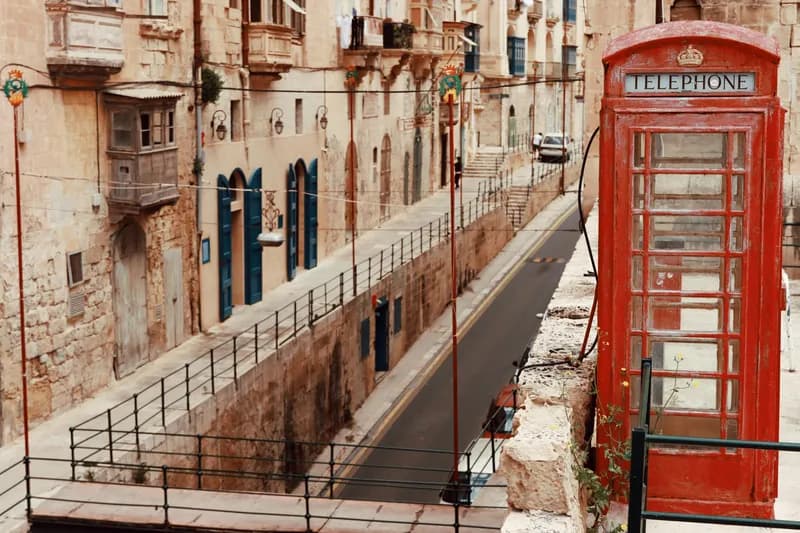
Valletta is a fortified city designed with mathematical precision—a UNESCO World Heritage site where every street is straight, where steep hills lead to dramatic views, where the harbor frames everything. The city is small enough to walk in an hour, yet it contains centuries of history (Knights of St. John, British colonization, WWII, independence). The light on the honey-colored stone is particular—warm, glowing, shifting through the day. The harbor is magnificent and constantly active. Yet beneath the architectural perfection and touristic polish, Valletta is still inhabited; locals navigate the streets; cafés and restaurants serve mixed clientele. The city is expensive and can feel commercial, but moving beyond main plazas reveals quieter streets, working neighborhoods, and the sense of a real place. The surrounding region—other parts of Malta with different character—offers perspective.
Best Time to Visit
April through May and September through October offer pleasant weather without summer intensity. Summer is hot and busy; winter is mild and quiet. May especially is ideal—spring renewal with warm weather.
### Areas to Know
Main Street (Republic Street) The central artery with shops, restaurants, and commerce, Main Street is where tourists cluster. It's worth walking but represents tourist Valletta.
St. John's Co-Cathedral The 16th-century cathedral is architecturally and artistically significant. The interior is ornate and impressive.
Grand Master's Palace The palace of the Knights, it contains state rooms and history. It's open to visitors and significant.
Upper Barrakka Gardens Overlooking the harbor, the gardens offer views and a gathering space. Sunset here is popular.
Fortifications The city walls offer walks and perspectives. The Three Cities across the harbor can be seen from the walls.
Fort St. Elmo At the harbor's edge, the fortress has history and offers views.
Residential Neighborhoods Beyond main streets, residential areas reveal quieter Valletta where locals live.
### Food & Drink
Maltese cuisine reflects Mediterranean and British influences: pastizzi (pastry with meat or cheese), rabbit stew, fish, pasta, bread. The café culture is European; coffee and pastries are morning ritual. Bars and restaurants range from casual to upscale. Street food includes pastizzi from vendors; mid-range restaurants serve Maltese and Mediterranean specialties; elevated dining emphasizes local seafood.
### Experiences by Traveler Type
Couples - Walk the fortifications at sunset, viewing the harbor and surrounding landscape - Share meals at harbor restaurants, watching boats and light - Explore narrow residential streets, discovering quieter corners - Visit churches and historical sites if interested in history and architecture
Solo Travelers - Stay in or near Valletta for walkability and ease of navigation - Join organized tours to understand the city's history and context - Spend time in cafés observing the rhythm of Valletta life - Explore neighborhoods beyond main streets
Groups - Book a guided walking tour of the city and major sites - Organize a group dinner at a harbor restaurant - Rent a group apartment in Valletta as a social base - Take a boat tour around the fortifications and to surrounding areas
Families - Walk the fortifications, which engage children with views and history - Explore narrow streets and plazas - Visit museums suitable for children's interests - Take boat tours around the harbor and to Three Cities
Adventure Travelers - Hiking or walking to surrounding areas - Water sports opportunities (diving, snorkeling, boating) - Rock climbing in surrounding regions - Multi-day exploration of Malta's varied geography
### Getting Around
Valletta is compact and entirely walkable. Buses connect to other parts of Malta. Taxis are available. Ferries run to the Three Cities. Walking is primary; transportation extends reach to surrounding regions.
### Insider Tips
- 1Visit early morning or late evening. The city is most magical when tour groups aren't swarming. Dawn and dusk light is also beautiful on the honey-stone buildings.
- 1The fortifications walk is underutilized. Walking the walls offers perspectives, exercise, and escape from commercial main streets. The views are exceptional.
- 1The Three Cities (across the harbor) offer escape. Ferries are cheap and frequent. These neighborhoods are less touristy and reveal a different side of Malta.
- 1Main Street is commercial but unavoidable. Walk it for shops and cafés, but don't expect authentic Valletta here. Move into residential streets for character.
- 1Surrounding Malta is accessible and varied. Mdina (medieval city), coastal areas, natural features—day trips extend beyond Valletta and reveal Malta's character.
### The Velvano Touch
Valletta is a perfectly preserved fortified city that manages to feel like a real place people live in. The challenge is moving beyond the postcards and main streets into the quieter neighborhoods and timing your explorations for dawn and dusk when the city's character emerges most clearly. We'll craft your days around accessing Valletta's beauty and history while understanding it as a living city, not just an architectural monument.
---
Food & Drink
Maltese cuisine reflects Mediterranean and British influences: pastizzi (pastry with meat or cheese), rabbit stew, fish, pasta, bread. The café culture is European; coffee and pastries are morning ritual. Bars and restaurants range from casual to upscale. Street food includes pastizzi from vendors; mid-range restaurants serve Maltese and Mediterranean specialties; elevated dining emphasizes local seafood.
Getting Around
Valletta is compact and entirely walkable. Buses connect to other parts of Malta. Taxis are available. Ferries run to the Three Cities. Walking is primary; transportation extends reach to surrounding regions.
Insider Tips
- 1Visit early morning or late evening. The city is most magical when tour groups aren't swarming. Dawn and dusk light is also beautiful on the honey-stone buildings.
- 1The fortifications walk is underutilized. Walking the walls offers perspectives, exercise, and escape from commercial main streets. The views are exceptional.
- 1The Three Cities (across the harbor) offer escape. Ferries are cheap and frequent. These neighborhoods are less touristy and reveal a different side of Malta.
- 1Main Street is commercial but unavoidable. Walk it for shops and cafés, but don't expect authentic Valletta here. Move into residential streets for character.
- 1Surrounding Malta is accessible and varied. Mdina (medieval city), coastal areas, natural features—day trips extend beyond Valletta and reveal Malta's character.
### The Velvano Touch
Valletta is a perfectly preserved fortified city that manages to feel like a real place people live in. The challenge is moving beyond the postcards and main streets into the quieter neighborhoods and timing your explorations for dawn and dusk when the city's character emerges most clearly. We'll craft your days around accessing Valletta's beauty and history while understanding it as a living city, not just an architectural monument.
---