Overview
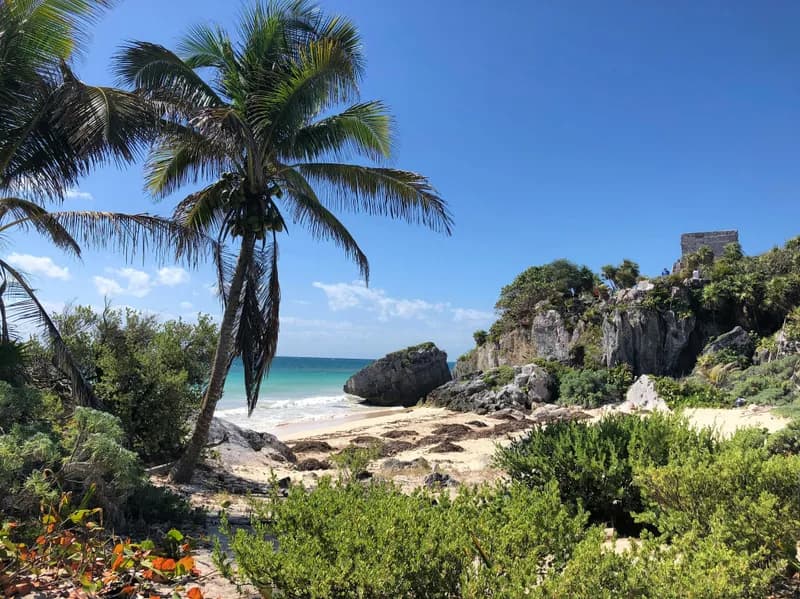
Tulum represents a carefully maintained balance between development and preservation, though the balance shifts year by year. The ruined Mayan city perches on a cliff overlooking turquoise Caribbean water—architecturally and spiritually significant in ways that make it feel different from other Mayan sites. The beach town has evolved from bohemian backpacker enclave to increasingly upscale destination, but retains pockets of creative energy and authentic atmosphere. The surrounding jungle contains cenotes (natural sinkholes revealing underground water), archaeological sites, and ecosystems. The town's main drag feels increasingly commercial, but neighborhoods and side streets retain character. Tulum works for those seeking beach time, archaeological interest, or cenote swimming without the mega-resort infrastructure of Cancún.
Best Time to Visit
November–April brings ideal weather—sunny, warm, with lower humidity. May–October is hot, humid, and hurricane season, but prices drop dramatically and the landscape turns lush. December–January brings holiday crowds. September–October brings green landscapes and fewer tourists, though afternoon showers are frequent. Book accommodations in advance during high season.
### Areas to Know
The Ruins: The archaeological site perched on cliffs above the beach. Spectacular but crowded during peak hours. Best visited early morning or late afternoon.
Town Center: The main drag with shops, restaurants, and accommodation. Increasingly touristy and commercial but still functional for services and eating.
Beachfront Neighborhoods: Areas with beach access beyond the main tourist strip. More laid-back and less crowded, though increasingly developed.
Cenote Areas: Surrounding jungle contains numerous cenotes accessible by car or guided tours. Tulum Eco Park, Gran Cenote, and others offer swimming and snorkeling.
South of Town: Quieter beach access, less development, and more natural atmosphere than the main town area.
### Food & Drink
Tulum's food culture blends Yucatecan traditions, coastal preparations, and international tourist-oriented cuisine. Ceviche is fresh and excellent. Cochinita Pibil (slow-roasted pork) represents Yucatecan tradition. Fresh fish grilled simply is perfect. Mexican specialties like tacos and enchiladas appear everywhere at varying quality.
Street Level: Street vendors and food stalls throughout town sell tacos, ceviche, fresh fruit, and casual fare. Beach vendors sell grilled fish and fresh juice. Markets offer produce and prepared food.
Mid-Range: Beach shacks serve grilled fish and seafood in casual settings. Casual Mexican restaurants serve traditional cooking. Beachfront restaurants offer casual dining with water views.
Elevated: Upscale beachfront restaurants emphasize fresh seafood, sometimes with Asian or Mediterranean influences. Contemporary approach to Yucatecan ingredients.
### Experiences by Traveler Type
Couples: Sunset at the ruins followed by beachfront dinner creates romantic atmosphere. Swimming and snorkeling in cenotes offers adventure and natural beauty. Beach walks and water time. An evening exploring the town's quieter areas and dining at a bohemian restaurant.
Solo Travelers: Cenote tours connect you with other travelers while offering natural beauty and swimming. The beach is social—conversations and connections happen naturally. Walking through town and beach areas offers cultural engagement. Food tours and language classes available.
Groups: A cenote hopping day visiting multiple sites. A group snorkeling trip. Beach time with different activity options (swimming, meditation, socialization). Progressive dinner moving through different restaurants.
Families: The cenotes are family-friendly with shallow options and gradual depth. Beach time is accessible. Tulum ruins are interesting for kids exploring ancient structures. Smaller scale than other Mexican ruins makes the experience less overwhelming.
Adventure Seekers: Snorkeling and diving in cenotes and offshore reefs. Cenote exploring and swimming in multiple locations. Jungle hiking to less-known ruins. Kayaking. Paddleboarding.
### Getting Around
Tulum is small and walkable, though the main drag is increasingly congested with tourist traffic. Renting a car or scooter is useful for cenote access and exploring beyond town. Taxis and app-based rides work but scooters offer more flexibility. Walking or biking within town is possible but the main drag is car-heavy and hot.
### Insider Tips
- 1The ruins are spectacular but crowded midday. Visit early morning (arrive before 9 a.m.) or late afternoon (after 3 p.m.) to avoid crowds and enjoy better light.
- 1Multiple cenotes exist in the surrounding area. Gran Cenote and others offer swimming and snorkeling without the resort infrastructure of tourist-focused parks.
- 1The town center is increasingly commercial, but quieter areas south of town offer more authentic beach town atmosphere.
- 1Bike or scooter rental offers flexibility and is more economical than taxis for cenote and archaeological site visiting.
- 1Book accommodations beyond the main drag for better value and more local atmosphere. The beachfront areas south of town offer quieter lodging and beach access.
### The Velvano Touch
Tulum is beach vacation, archaeological interest, and cenote adventure combined in a place that still maintains character despite tourism growth. We craft itineraries that balance the iconic ruins with cenote exploration, beach time, and quieter areas where the town's bohemian heritage persists.
---
Food & Drink
Tulum's food culture blends Yucatecan traditions, coastal preparations, and international tourist-oriented cuisine. Ceviche is fresh and excellent. Cochinita Pibil (slow-roasted pork) represents Yucatecan tradition. Fresh fish grilled simply is perfect. Mexican specialties like tacos and enchiladas appear everywhere at varying quality.
Street Level: Street vendors and food stalls throughout town sell tacos, ceviche, fresh fruit, and casual fare. Beach vendors sell grilled fish and fresh juice. Markets offer produce and prepared food.
Mid-Range: Beach shacks serve grilled fish and seafood in casual settings. Casual Mexican restaurants serve traditional cooking. Beachfront restaurants offer casual dining with water views.
Elevated: Upscale beachfront restaurants emphasize fresh seafood, sometimes with Asian or Mediterranean influences. Contemporary approach to Yucatecan ingredients.
Getting Around
Tulum is small and walkable, though the main drag is increasingly congested with tourist traffic. Renting a car or scooter is useful for cenote access and exploring beyond town. Taxis and app-based rides work but scooters offer more flexibility. Walking or biking within town is possible but the main drag is car-heavy and hot.
Insider Tips
- 1The ruins are spectacular but crowded midday. Visit early morning (arrive before 9 a.m.) or late afternoon (after 3 p.m.) to avoid crowds and enjoy better light.
- 1Multiple cenotes exist in the surrounding area. Gran Cenote and others offer swimming and snorkeling without the resort infrastructure of tourist-focused parks.
- 1The town center is increasingly commercial, but quieter areas south of town offer more authentic beach town atmosphere.
- 1Bike or scooter rental offers flexibility and is more economical than taxis for cenote and archaeological site visiting.
- 1Book accommodations beyond the main drag for better value and more local atmosphere. The beachfront areas south of town offer quieter lodging and beach access.
### The Velvano Touch
Tulum is beach vacation, archaeological interest, and cenote adventure combined in a place that still maintains character despite tourism growth. We craft itineraries that balance the iconic ruins with cenote exploration, beach time, and quieter areas where the town's bohemian heritage persists.
---