Overview
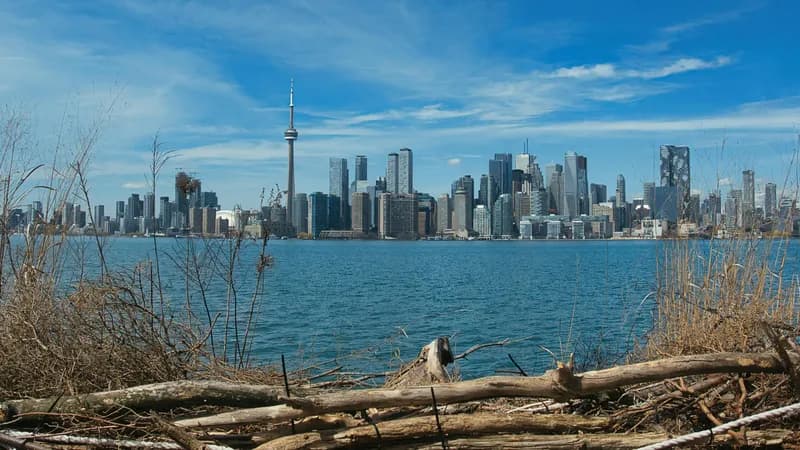
Toronto is a city defined by its people more than its landmarks. The CN Tower is iconic but secondary; the real Toronto happens in neighborhoods that represent virtually every global culture. The city's identity is multicultural not as marketing but as lived daily reality—walk from one neighborhood to another and you traverse entirely different cultures, languages, and food traditions. The lake provides respite and recreation. The street art, the music venues, the independent shops, and the café culture reflect creative energy across all neighborhoods. It's a city that rewards moving through different areas, learning neighborhood histories, and eating where immigrants from each region cook. Toronto doesn't seduce through spectacle; it engages through authenticity and inclusivity. Winters are harsh, but the city remains vital.
Best Time to Visit
May–September brings ideal weather—warm, sunny, with outdoor festivals and water access. June–August is peak season with the most crowds. April and October offer good weather with fewer tourists. November–March is cold but manageable, with snow possible but not guaranteed. The city's cultural calendar peaks in spring and fall.
Neighborhoods to Know
Kensington Market: A bohemian neighborhood with street vendors, vintage shops, galleries, and incredible food from multiple cultures. Historic and still gritty, though gentrification pressures mount.
Chinatown: Historic and still active immigrant neighborhood with restaurants, shops, markets, and distinct culture. Largest Chinese community in Canada and one of North America's most significant.
Little Italy: Less Italian now than historically, but still important neighborhood with cafés, restaurants, and cultural institutions. More gentrified than Chinatown but still vital.
The Distillery District: A historic area converted to shops, galleries, restaurants, and walkable atmosphere. More touristy than other neighborhoods but architecturally interesting.
Queen West and West Queen West: A bohemian/artistic neighborhood with galleries, vintage shops, street art, and creative energy. Increasingly gentrified but still culturally vibrant.
Food & Drink
Toronto's food culture is global—every immigrant community has established restaurants representing their traditions. Peameal bacon sandwiches (at St. Lawrence Market) are local specialty. Chinese food from Chinatown is authentic and excellent. Italian cuisine from Little Italy. Portuguese, Vietnamese, Thai, Korean, Mexican, Caribbean—the list of authentic cuisines is genuinely extensive. Craft beer and coffee culture are taken seriously.
Street Level: Street vendors at markets and throughout neighborhoods sell food from multiple cultures. St. Lawrence Market has prepared foods and casual vendors. Food trucks throughout the city offer options from multiple cuisines.
Mid-Range: Restaurants throughout neighborhoods serve authentic cuisine at accessible prices. Chinese dim sum, Italian trattorias, Vietnamese pho, Portuguese grilled fish. Cafés offer coffee and pastries. The food court culture is legitimate.
Elevated: Fine dining throughout the city focuses on both innovation and respect for global culinary traditions. Expect technical precision, interesting ingredient combinations, and service standards matching any major city.
Getting Around
Toronto's transit (TTC) is extensive and reliable, covering most of the city. Walking within neighborhoods is enjoyable and safe. Neighborhoods are somewhat spread out but well-connected by transit. Taxis and app-based rides work well. Biking is increasingly viable on protected lanes. The city is organized and walkable in a way that makes navigation intuitive.
Insider Tips
- 1Kensington Market and Chinatown are the real Toronto. Spend time wandering, observing, and eating where cultures maintain their identities and practices.
- 1The multicultural food scene is genuinely excellent. Don't limit yourself to restaurants; eat where immigrants cook and gather.
- 1St. Lawrence Market is worth visiting for both food and observation. The energy, the vendors, and the community aspect are genuinely Toronto.
- 1The lakefront is beautiful but underutilized by many visitors. Walks, water access, and quieter moments balance urban exploration.
- 1Toronto's cultural calendar is active. Festivals, exhibitions, and performances happen constantly across neighborhoods.
### The Velvano Touch
Toronto is often overlooked in favor of more dramatic North American cities, but the city's identity—built on multiculturalism, creative neighborhoods, and genuine cultural engagement—rewards those willing to walk through different areas and eat where diverse communities gather.
---