Overview
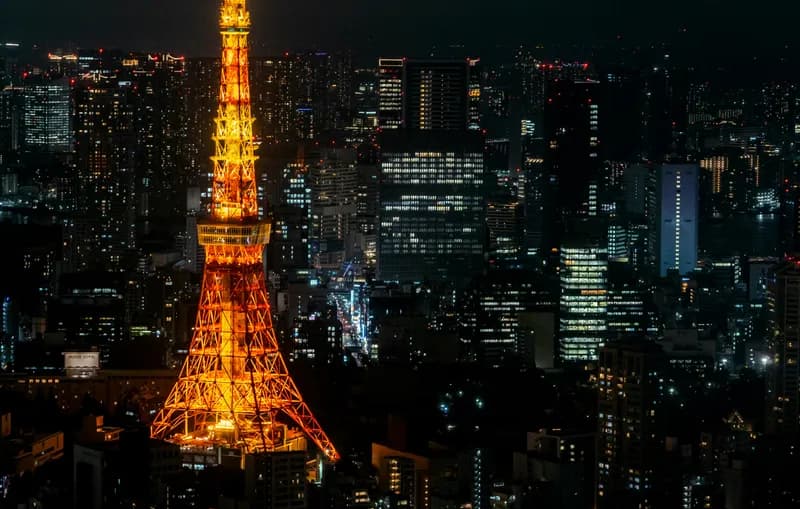
Tokyo is a city that somehow accommodates contradiction—ancient temples existing beside neon arcades, traditional tea houses in office buildings, serene gardens enclosed by urban density. The city spreads across the Kanto Plain in districts more like neighborhoods than traditional districts; each has its own character and culture. Tokyo moves with purposeful energy; the trains are on time, the streets are clean, and there's a sense that the city is always becoming. Yet tradition runs deep: Shinto shrines dot neighborhoods, gardens offer respite from density, and tea ceremonies are practiced seriously. The food culture is legendary—from Michelin-starred restaurants to 24-hour ramen joints, from sushi temples to conveyor belt restaurants. Tokyo can feel overwhelming on first encounter, but navigating it reveals a city organized and legible beneath the chaos. Most travelers underestimate how much time Tokyo deserves; a week barely scratches the surface.
Best Time to Visit
March to May (spring, including cherry blossoms) and September to November (autumn, with clear skies) are ideal—comfortable temperatures and clear weather. December to February is cold but often dry; winter reveals Tokyo's atmosphere clearly. June to August is hot and humid; the rainy season (tsuyu) in late May brings afternoon downpours. April-May (peak cherry blossom season) brings massive crowds; aim for late March or early April for blossoms with fewer tourists. October is spectacular for weather and atmosphere.
Neighborhoods to Know
Shibuya: The youth and fashion district, famous for the crossing, packed with energy, shopping, nightlife, and restaurants. It's loud, crowded, and quintessentially Tokyo. The crossing itself is a spectacle; surrounding neighborhoods are where younger Tokyo congregates.
Shinjuku: The entertainment and nightlife district, with theaters, bars, karaoke, and an edge. It's larger and busier than Shibuya; the energy is frenetic. Kabuki-cho (red light district) is here, alongside family restaurants and shops.
Harajuku: The fashion and youth district, with boutiques, cafes, and a youthful vibe. Takeshita Street is famous and crowded; exploring surrounding streets reveals quieter shopping and dining.
Asakusa: The historic neighborhood, home to the ancient Senso-ji Temple, surrounded by traditional wooden buildings and markets. It's touristy but beautiful; early mornings show quieter energy.
Ginza: The luxury shopping district, with high-end boutiques, restaurants, and a polished vibe. It's expensive and commercial; less culturally interesting unless shopping matters to you.
Ikebukuro & Akihabara: Shopping districts with different characters—Ikebukuro is general commercial; Akihabara is electronics and anime. Both are crowded but less touristy than Shibuya.
Eastern Tokyo (Ryogoku, Ueno): Museum and historic neighborhoods, with the Ryogoku Sumo Hall, temples, parks, and quieter character. Ueno Park is large and peaceful; museums cluster here.
Shimokitazawa & Setagaya: Quieter, more residential neighborhoods with local restaurants, galleries, and theater. This is where creative Tokyo gathers; it's less touristy and more authentic.
Meiji Shrine & Yoyogi Park Area: Sacred shrine surrounded by forest, offering calm and nature. The park is large and peaceful; this area is spiritual and restorative.
Food & Drink
Japanese cuisine is refined and technically sophisticated. Sushi, ramen, tempura, tonkatsu, and countless regional specialties are available. Tokyo has more Michelin-starred restaurants than any city in the world.
Street Food & Stalls: Takoyaki (octopus balls), okonomiyaki (savory pancakes), yakitori (grilled chicken), tempura, and snacks. Street vendors cluster in neighborhoods and near transit; quality varies but top vendors are exceptional.
Mid-Range Dining: Ramen shops, sushi counters, tonkatsu restaurants, and small eateries serving set meals. These are where locals eat; prices are reasonable and quality is high. Many don't have English menus; pointing or translation apps work fine.
Elevated Dining: Tokyo has some of the world's best restaurants—Michelin-starred sushi temples, kaiseki masters, and innovative chefs. Several occupy historic spaces or minimalist settings.
Experiences by Traveler Type
Every traveler is different. Explore what Tokyo has to offer based on how you like to travel.
Experiences by Traveler Type
- Sunrise at Meiji Shrine, arriving early for quiet exploration, then walking through the forest and surrounding neighborhood
- Traditional kaiseki dinner, a multi-course experience showcasing seasonal ingredients and technique
- Couples massage at a Japanese spa (onsen or sento, with separate baths) or traditional anma massage clinic
- Sunset from a rooftop bar or restaurant, watching the city's lights activate
Getting Around
The Tokyo Metro and train system is exceptional—efficient, clean, and covers the entire city-state comprehensively. It's the primary transport; most travelers navigate entirely by subway and trains. Buses are numerous but require understanding routes. Taxis are abundant and expensive; apps (Uber, Lyft) exist but are limited. Walking is viable in neighborhoods like Shibuya, Shinjuku, and Asakusa; long distances are tiring. Bicycles can be rented; some areas are bike-friendly. Get a Suica or Pasmo card for seamless transit across systems.
Insider Tips
- 1Temples and shrines are best visited early morning (6-9 AM). Tour groups dominate by midday; early hours reveal spiritual practice and quieter energy.
- 1Cherry blossom season is beautiful but extremely crowded. If you visit during sakura season, aim for weekdays and early morning; weekends are jam-packed.
- 1Ramen shops often have long lines. Lines indicate quality; eating at a crowded shop is better than a quiet one. Japanese ramen is an art; try multiple styles across neighborhoods.
- 1Get a transit card (Suica or Pasmo) at any station. It works on all trains, subways, and buses; it's essential for seamless navigation.
- 1Train stations are hubs of food and shopping. Department stores and food halls in train stations offer excellent dining and souvenir options; some of Tokyo's best food exists in these spaces.
---
## The Velvano Touch
Ready to uncover each of these cities in ways that feel personally tailored? Whether you're a couples traveler seeking romantic sunrises over temples, a solo adventurer drawn to street food and night markets, a group of friends hungry for shared experiences, or a family wanting memories that will last lifetimes—Velvano crafts day-by-day itineraries that match your travel style.
Tell us how you travel. Share what calls to you—whether it's food, culture, adventure, relaxation, or some combination that's uniquely yours. We'll build an itinerary that feels like it was made by a friend who's already been there, who knows not just the famous sites but the hidden alleys, the best time to visit a temple, where locals actually eat, and which experiences will stay with you long after you've returned home.
Each city in this guide has been chosen for its depth—its ability to reward curiosity, its openness to travelers willing to venture beyond the obvious, and its capacity to surprise even those who think they know it well. Your itinerary will move at your pace, honor your interests, and connect you with these places authentically.
Start building your adventure. Tell us which city calls to you, how you travel best, and what kind of moments matter most. We'll craft something remarkable—something that's unmistakably yours.