Overview
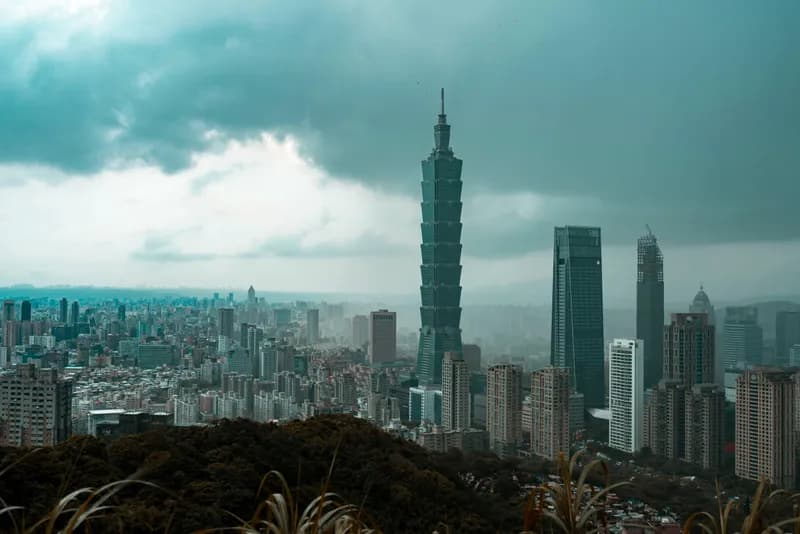
Taipei is a city that rewards curiosity—a place where temples sit amid skyscrapers, where traditional markets operate next to modern shopping centers, where locals are known for friendliness unusual even in Asia. The city spreads across a basin surrounded by mountains; the Taipei 101 tower dominates the skyline. Unlike many Asian capitals, Taipei feels accessible and welcoming to travelers; English is increasingly common, and locals often help without being asked. The food culture is exceptional: xiaolongbao (soup dumplings), stinky tofu, street snacks, and restaurants exploring global cuisines. Night markets are a particular institution—open-air food and shopping venues operating in the evenings, teeming with energy. The city is clean, organized, and modern, yet preserves pockets of traditional Taiwan—temples, tea houses, old neighborhoods. Taipei is often overlooked in favor of larger Asian cities, but it offers culture, food, and accessibility that few others match.
Best Time to Visit
September to November brings clear skies, comfortable temperatures, and dry weather—ideal for exploring. December to February is cool and dry; this is pleasant for visiting without peak-season crowds. March to May is warm but increasingly humid; crowds build as spring progresses. June to August is hot, humid, and rainy (typhoon season); outdoor activities are less pleasant. October is spectacular; aim for shoulder months (September, November, February-March) for good weather without peak-season intensity.
Neighborhoods to Know
Taipei 101 Area (Xinyi District): The downtown core, dominated by the Taipei 101 tower, with modern shopping, restaurants, and office buildings. It's commercial and touristic but convenient; many travelers base themselves here for accessibility.
Chiang Kai-shek Memorial & Around: Historic government buildings and plazas, quieter than downtown, with museums and cultural spaces. The ceremony at the memorial (hourly) is a formal spectacle worth witnessing.
Old City (Daan & Songshan): Historic neighborhoods with temples, markets, smaller streets, and local character. This is where Taipei's cultural heritage concentrates; it's less polished than downtown but more authentically Taiwanese.
Shilin & Jiantan: The neighborhoods around Shilin Night Market, vibrant and youth-oriented, with cafes, restaurants, and shopping. The night market itself is a must-visit; the surrounding neighborhoods are lively.
Jingshan & Taipei Volcano: Northern neighborhoods quieter, more residential, with temples and parks. Jingshan offers hiking and village-like atmosphere within the city.
Tamsui & The Riverside: Northwestern area along the Tamsui River, quieter and more residential, with temples, tea houses, and riverside walks. It's accessible by MRT; a day trip destination or alternative base.
East Taipei (Neihu & Nangang): Quieter, more residential, less touristy, with local life and contemporary neighborhoods. These areas show modern Taiwan.
Food & Drink
Taiwanese cuisine is refined and diverse—influenced by China but distinct, with indigenous and Japanese elements. Xiaolongbao (soup dumplings), stinky tofu, beef noodles, and street snacks are foundational.
Night Markets & Street Food: Xiaolongbao (soup dumplings), stinky tofu, various noodles, oyster omelettes, fresh fruit, and hundreds of snacks. Night markets are the primary venue; crowds and energy peak 7-10 PM.
Mid-Range Dining: Small restaurants serving beef noodles, seafood, xiaolongbao, and Taiwanese specialties. Many are family-run; English menus exist but pointing works fine.
Elevated Dining: Taipei has excellent restaurants exploring Taiwanese traditions with refinement, fusion concepts, and international cuisines. Several occupy historic buildings or design-focused spaces.
Experiences by Traveler Type
Every traveler is different. Explore what Taipei has to offer based on how you like to travel.
Experiences by Traveler Type
- Sunrise at the Chiang Kai-shek Memorial, watching the guard change ceremony, then exploring the plaza and surrounding temples
- Private cooking class learning to make xiaolongbao (soup dumplings) and other Taiwanese dishes, followed by shared meal
- Tea ceremony at a traditional tea house in Old City, learning about tea culture and Chinese aesthetics
- Sunset walk along the Tamsui River, ending with dinner at a riverside restaurant
Getting Around
The MRT is excellent and covers most areas; it's the primary transport for locals. Buses are numerous and cheap but require understanding routes; the MRT is easier. Taxis are abundant; ride-sharing apps (Uber, Lyft, Grab) work. Walking is viable in neighborhoods like Old City and downtown; the city is compact. Bicycles can be rented; several bike-sharing systems operate. Night markets are reachable by MRT; no specialized transport needed.
Insider Tips
- 1Night markets are best visited after 7 PM when crowds and energy peak. Arriving at 5-6 PM means early stalls opening; coming at 8-9 PM means crowds but peak energy.
- 1Old City is less touristy than downtown or Taipei 101 area. Exploring temples, markets, and streets here reveals Taipei's character beyond its modern facade.
- 1Tea ceremonies at traditional tea houses are affordable and enriching. This is a Taiwanese cultural practice; trying it offers perspective on aesthetics and tradition.
- 1Jiufen Old Street is a day trip worth taking. The mountain village has tea houses, street food, and old architecture; it's very touristy but atmospheric.
- 1Locals are famously friendly. Asking for directions or recommendations in English almost always results in helpful, warm responses.
---