Overview
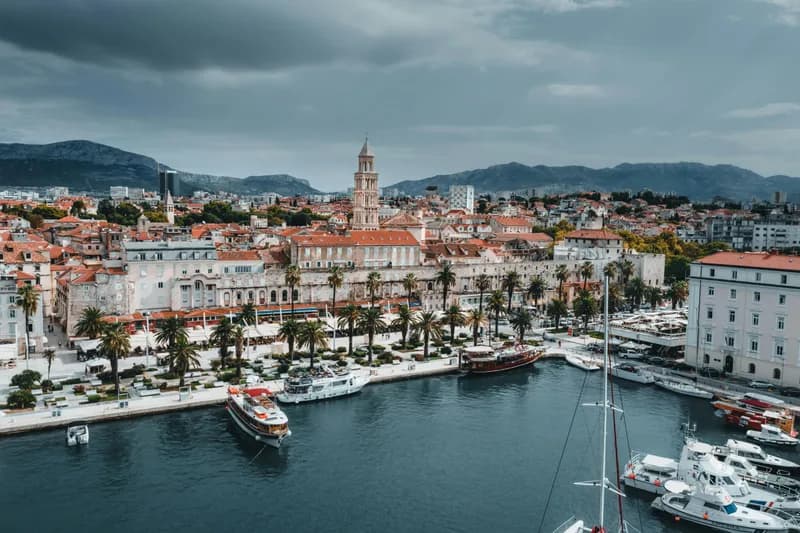
Split is a city built within and around a Roman palace—Diocletian's Palace, constructed in the 3rd century, now home to shops, restaurants, and residents living within 2,000-year-old walls. The palace is extraordinary; it's also actively used, not cordoned off as a museum. Walking these streets, you're surrounded by history but also contemporary life—locals navigating the narrow streets, restaurants serving meals, markets selling produce. The waterfront (Riva) is where the city gathers; the surrounding neighborhoods extend beyond the palace into residential areas with less tourism. The city is a working port; it's a real place where people live and work, not a reconstructed heritage site. This authenticity is Split's greatest appeal. The surrounding region—islands, hiking, coastal villages—adds dimension. The Adriatic light is particular; the stone glows; the pace is slower than Western European cities.
Best Time to Visit
May and June, September and October offer warm weather without summer's heat and crowds. Summer is hot and busy with tourists and yacht season. Winter is mild and quiet but rainy. Spring and fall offer ideal conditions for exploration.
### Areas and Neighborhoods to Know
Diocletian's Palace The 3rd-century Roman palace houses shops, restaurants, and residents. The narrow streets within are atmospheric; the catacombs are interesting. The area is touristy but genuinely fascinating and actively inhabited.
Riva (Waterfront) The promenade along the water is where locals and tourists gather. It's beautiful, social, and where evening life concentrates. Restaurants and bars line the waterfront.
Varoš A neighborhood above the palace with steep streets, local character, and less tourism, Varoš is where Splitians live. It offers escape and genuine neighborhood feel.
Bacvice Beach A small beach near the palace where locals swim, Bacvice is how Split residents spend leisure time. The shallow water and warm shallow area make it inviting.
Marjan Forest Park A green area above the city offering walking paths, views, and nature escape. Locals use it for exercise and leisure.
Surrounding Islands and Coastal Towns Ferries connect to nearby islands and towns. Day trips extend Split's experience; longer stays on islands offer different pace.
### Food & Drink
Dalmatian cuisine emphasizes seafood, olive oil, simple preparations: grilled fish, seafood stews, pasta with seafood, vegetables. Wine from local producers is excellent. The market provides fresh produce, fish, and local products. Meals are social and extended. Street food includes grilled fish and quick bites; mid-range restaurants serve Dalmatian specialties; elevated dining emphasizes fresh seafood and local wines.
### Experiences by Traveler Type
Couples - Walk through Diocletian's Palace early morning when quieter and light is golden - Share long meals at waterfront restaurants, watching boats and people - Explore the neighborhoods beyond the palace, discovering local life - Take a boat trip to nearby islands or along the coast
Solo Travelers - Stay within or near the palace for ease and neighborhood immersion - Join a walking tour of the palace and city history - Participate in group boat tours to islands or coast - Spend time in cafés observing locals and the rhythm of Split life
Groups - Charter a boat and island-hop with swimming and meals - Book a group walking tour of the palace and neighborhoods - Rent a group apartment near the palace as a social base - Organize progressive dinners at waterfront restaurants
Families - Explore Diocletian's Palace by walking the streets - Visit Bacvice Beach for swimming and local atmosphere - Take boat tours to nearby islands - Explore markets and streets on foot
Adventure Travelers - Hiking in surrounding mountains and to viewpoints - Kayaking along the coast and to islands - Rock climbing opportunities in surrounding regions - Multi-day island-hopping or coastal exploration
### Getting Around
Split is compact and the palace area is pedestrian-friendly. Public transportation (buses) connects neighborhoods. Taxis are reasonable. Ferries run to islands. Walking is primary for palace and central exploration; buses and ferries extend reach.
### Insider Tips
- 1Diocletian's Palace early morning is transformative. The narrow streets empty; the light is perfect; you can imagine how it was before tourism. Go before 8 AM if possible.
- 1Varoš is where Split actually is. Venture up the steep streets into this neighborhood where locals live. You'll find local restaurants, quieter streets, the sense of a real place.
- 1Bacvice Beach reveals local culture. Watch how Splitians spend time here—swimming, playing, gathering. It's where the city's leisure culture happens.
- 1Waterfront at sunset is beautiful but crowded. Go early evening (6-7 PM) for the atmosphere with fewer people than full sunset time.
- 1Day trips to islands are worth considering. Nearby islands like Hvar or Bol offer different pace and beaches. Even a half-day ferry trip provides perspective.
### The Velvano Touch
Split is authentic Adriatic experience—a working city that happens to contain extraordinary history. We'll craft your days around moving through the palace's streets at strategic times, discovering neighborhoods beyond the tourist core, experiencing the waterfront culture, and considering island escapes that reveal the region's character beyond the main city.
---
Food & Drink
Dalmatian cuisine emphasizes seafood, olive oil, simple preparations: grilled fish, seafood stews, pasta with seafood, vegetables. Wine from local producers is excellent. The market provides fresh produce, fish, and local products. Meals are social and extended. Street food includes grilled fish and quick bites; mid-range restaurants serve Dalmatian specialties; elevated dining emphasizes fresh seafood and local wines.
Getting Around
Split is compact and the palace area is pedestrian-friendly. Public transportation (buses) connects neighborhoods. Taxis are reasonable. Ferries run to islands. Walking is primary for palace and central exploration; buses and ferries extend reach.
Insider Tips
- 1Diocletian's Palace early morning is transformative. The narrow streets empty; the light is perfect; you can imagine how it was before tourism. Go before 8 AM if possible.
- 1Varoš is where Split actually is. Venture up the steep streets into this neighborhood where locals live. You'll find local restaurants, quieter streets, the sense of a real place.
- 1Bacvice Beach reveals local culture. Watch how Splitians spend time here—swimming, playing, gathering. It's where the city's leisure culture happens.
- 1Waterfront at sunset is beautiful but crowded. Go early evening (6-7 PM) for the atmosphere with fewer people than full sunset time.
- 1Day trips to islands are worth considering. Nearby islands like Hvar or Bol offer different pace and beaches. Even a half-day ferry trip provides perspective.
### The Velvano Touch
Split is authentic Adriatic experience—a working city that happens to contain extraordinary history. We'll craft your days around moving through the palace's streets at strategic times, discovering neighborhoods beyond the tourist core, experiencing the waterfront culture, and considering island escapes that reveal the region's character beyond the main city.
---