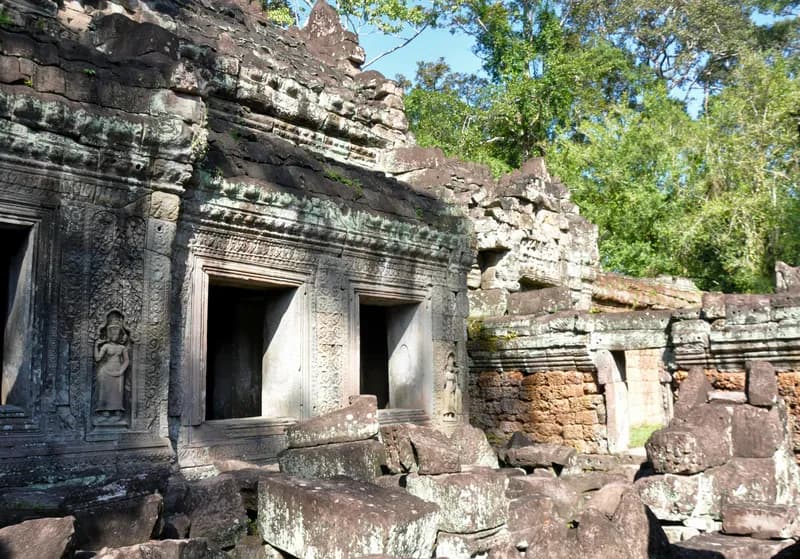
Overview
Siem Reap is built around the monumental temples of Angkor, one of the world's greatest archaeological sites. The city itself is young, vibrant, and increasingly cosmopolitan, shaped by tourism but retaining genuine Cambodian character. The temples—particularly Angkor Wat—are extraordinary in scale and detail; the archeological park is vast and rewards multiple days of exploration. Beyond Angkor, Siem Reap has a lively downtown with markets, restaurants, galleries, and cafes. The Tonlé Sap Lake surrounds the city; floating villages offer a different perspective on Cambodian life. The food culture is lighter and less spicy than Thailand's, with rice at every meal and fresh herbs and vegetables fundamental. Siem Reap is deeply affected by its history (the Khmer Rouge legacy is present), but the contemporary city is forward-looking, friendly, and engaging.
Best Time to Visit
October to November brings dry weather, comfortable temperatures, and clear skies—ideal for temple exploration. December to February is cool and dry; this is peak season with crowds and higher prices. March to May is hot (temperatures above 35°C/95°F) but shoulder season with fewer tourists and lower prices. The monsoon (May-October) brings afternoon rains and high humidity; temples are less crowded and the landscape is vivid green. November and February offer balance between good weather and manageable crowds.
### Neighborhoods & Areas to Know
Downtown Siem Reap: The touristy central area, with hotels, restaurants, bars, and shops concentrated around the riverfront. Pub Street is famous for its bar scene; the downtown is where visitors congregate but where local life also continues.
Old Market Area (Phsar Chaa): The traditional market district, less touristy than downtown, with small shops, local restaurants, and genuine commerce. Walking here shows Cambodian daily life.
Tonlé Sap Lake & Floating Villages: The massive seasonal lake north of Siem Reap, with floating communities fishing and farming. Day trips here offer perspective on livelihoods tied to water.
Angkor Archeological Park: The sprawling complex of temples, encompassing Angkor Wat, Bayon, Ta Prohm, and hundreds of other temples. It's massive and requires multiple days to explore adequately.
West Side (Sok San Road): The western neighborhoods, quieter and less touristy, with local guesthouses, restaurants, and temples. It's where budget travelers often stay.
### Food & Drink
Cambodian cuisine is lighter than Thai, less spicy, and heavily herbal. Rice is foundational. Amok (coconut curry in a leaf), nom banh chok (Khmer noodle soup), and grilled river fish are specialties.
Street Food & Stalls: Amok (coconut curry), nom banh chok (noodle soup), skewers of grilled meat and fish, spring rolls, and fruits. Street vendors cluster near markets and in neighborhoods; prices are low.
Mid-Range Dining: Small family restaurants serving amok, soups, grilled fish, and Khmer specialties. Many operate lunch and dinner; casual dress is the norm. English menus exist but pointing works fine.
Elevated Dining: Siem Reap has several excellent restaurants exploring Cambodian traditions with refinement, often in boutique properties or designed spaces.
### Experiences by Traveler Type
Couples: - Sunrise at Angkor Wat, timing your arrival for light breaking over the temple, exploring the grounds as they awaken - Private sunrise boat tour on Tonlé Sap Lake, watching fishermen and the landscape transform - Private cooking class learning Cambodian dishes—amok, nom banh chok, grilled fish—in a home or cooking school - Sunset temple visit (avoid Angkor Wat crowds; visit a different temple like Phnom Bakheng) watching light change the stone
Solo: - Multi-day Angkor exploration with an audio guide, moving at your own pace through temples and history - Join group food tours or cooking classes; you'll meet other travelers and locals, learn about Cambodian culture - Floating village day trip; many tours exist; you'll meet other travelers and see a different Cambodia - Motorcycle day trips to less-visited temples and surrounding villages; renting a bike gives freedom
Groups: - Full-day or multi-day Angkor tours with a guide; understanding the architecture and history deepens appreciation - Group cooking class making Cambodian dishes, followed by shared meals - Floating village tour combining boat time, village visits, and fishing demonstrations - Evening exploration of downtown bars and restaurants; Siem Reap's nightlife is concentrated and social
Family: - Angkor temples are family-friendly; kids enjoy climbing, exploring, and the scale of the monuments - Floating villages are accessible and interesting for kids; the boats are safe and the landscape is engaging - Elephant sanctuaries offer ethical elephant experiences (choose operators carefully; some are exploitative)
Adventure: - Multi-day jungle trekking in the surrounding mountains - Rock climbing at outdoor crags or indoor gyms - Motorcycle day trips to remote temples and villages
### Getting Around
Siem Reap is compact; you can walk the downtown in an hour. Tuk-tuks (three-wheeled carts) are the primary transport for longer distances; negotiate prices in advance. Motorbikes are rentable and popular for exploring beyond the city. Ride-sharing apps (Grab, Gojek) exist and work. Buses connect to other Cambodian cities. Most travelers hire tuk-tuks or guides for Angkor exploration rather than navigating independently.
### Insider Tips
- 1Sunrise at Angkor Wat requires an early wake-up (4-5 AM) but is worth it. The light is extraordinary, and you'll have the temple relatively to yourself before crowds arrive.
- 1Angkor is massive; spend at least two full days exploring temples. Most travelers spend one day and miss remarkable structures; three days is ideal.
- 1Hire a guide for temple exploration. Understanding the significance, architecture, and history deepens the experience; guides are inexpensive and knowledgeable.
- 1Floating villages can be touristy; choose ethical operators that support communities rather than exploiting them. Ask your guesthouse for recommendations.
- 1Old Market Area (Phsar Chaa) is less touristy than downtown restaurants. Eating here connects you with local food and commerce in ways tourist areas don't.
---
Food & Drink
Cambodian cuisine is lighter than Thai, less spicy, and heavily herbal. Rice is foundational. Amok (coconut curry in a leaf), nom banh chok (Khmer noodle soup), and grilled river fish are specialties.
Street Food & Stalls: Amok (coconut curry), nom banh chok (noodle soup), skewers of grilled meat and fish, spring rolls, and fruits. Street vendors cluster near markets and in neighborhoods; prices are low.
Mid-Range Dining: Small family restaurants serving amok, soups, grilled fish, and Khmer specialties. Many operate lunch and dinner; casual dress is the norm. English menus exist but pointing works fine.
Elevated Dining: Siem Reap has several excellent restaurants exploring Cambodian traditions with refinement, often in boutique properties or designed spaces.
Experiences by Traveler Type
Every traveler is different. Explore what Siem Reap has to offer based on how you like to travel.
Experiences by Traveler Type
- Sunrise at Angkor Wat, timing your arrival for light breaking over the temple, exploring the grounds as they awaken
- Private sunrise boat tour on Tonlé Sap Lake, watching fishermen and the landscape transform
- Private cooking class learning Cambodian dishes—amok, nom banh chok, grilled fish—in a home or cooking school
- Sunset temple visit (avoid Angkor Wat crowds; visit a different temple like Phnom Bakheng) watching light change the stone
Getting Around
Siem Reap is compact; you can walk the downtown in an hour. Tuk-tuks (three-wheeled carts) are the primary transport for longer distances; negotiate prices in advance. Motorbikes are rentable and popular for exploring beyond the city. Ride-sharing apps (Grab, Gojek) exist and work. Buses connect to other Cambodian cities. Most travelers hire tuk-tuks or guides for Angkor exploration rather than navigating independently.
Insider Tips
- 1Sunrise at Angkor Wat requires an early wake-up (4-5 AM) but is worth it. The light is extraordinary, and you'll have the temple relatively to yourself before crowds arrive.
- 1Angkor is massive; spend at least two full days exploring temples. Most travelers spend one day and miss remarkable structures; three days is ideal.
- 1Hire a guide for temple exploration. Understanding the significance, architecture, and history deepens the experience; guides are inexpensive and knowledgeable.
- 1Floating villages can be touristy; choose ethical operators that support communities rather than exploiting them. Ask your guesthouse for recommendations.
- 1Old Market Area (Phsar Chaa) is less touristy than downtown restaurants. Eating here connects you with local food and commerce in ways tourist areas don't.
---