Overview
Shanghai is a city of perpetual reinvention—a place where tradition, colonial history, and cutting-edge modernity exist simultaneously. The Huangpu River divides the city; Pudong (east) is the futuristic financial district with the Oriental Pearl Tower and forest of skyscrapers; Puxi (west) contains the Bund (colonial waterfront), French Concession, and older neighborhoods. Shanghai feels less chaotic than Beijing; it's cosmopolitan, efficient, and entrepreneurial. The food here is refined and diverse—Shanghainese cuisine is elegant, featuring river fish and delicate preparations; international options abound. The city is a major financial center; modernity is embedded in its DNA. Yet pockets of old Shanghai persist—water villages, temples, gardens, and neighborhoods where traditional life continues. Shanghai is the most comfortable Chinese city for Western travelers; English is more common, and infrastructure is tourist-friendly.
Best Time to Visit
September to November brings dry, clear weather and comfortable temperatures—ideal for exploring. December to February is cool; the city can be gray and damp. March to May is warm with occasional rain; crowds increase with spring. June to August is hot and humid; the rainy season (meiyu) in late May brings afternoon downpours. October is spectacular; avoid peak tourism in May and October if crowds matter.
### Neighborhoods & Districts to Know
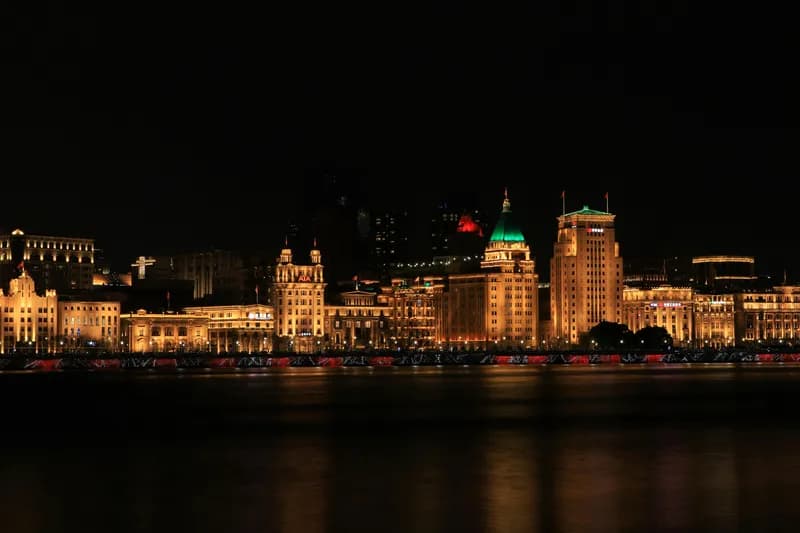
Puxi (West Bank): - The Bund: The colonial waterfront, lined with early 20th-century buildings now housing restaurants, bars, and luxury hotels. It's touristy but spectacular, especially lit at night. - French Concession: The former French colonial area, with tree-lined streets, art deco buildings, galleries, restaurants, and cafes. It's where cosmopolitan Shanghai lives; less touristy and more authentic than the Bund. - Huangpu District: Downtown Shanghai, modern and commercial, with shopping and office buildings. Less culturally interesting but functional. - Jing'an District: Central Shanghai, quieter than Huangpu, with temples, parks, and neighborhoods where locals live.
Pudong (East Bank): - Lujiazui: The financial district, dominated by skyscrapers (Oriental Pearl Tower, Jin Mao Tower, Shanghai Tower). It's futuristic and striking; observatories and restaurants at height offer panoramic views. - Pudong's Traditional Areas: East of Lujiazui, quieter neighborhoods with temples, gardens, and local life.
Minhang District: South of the Bund, quieter, with gardens (Yu Garden), temples, and the old city wall. It's less touristy and worth exploring.
Songjiang & Zhujiajiao: Water villages and towns on Shanghai's outskirts, preserving traditional waterside architecture. They're day-trip destinations showing pre-modern Shanghai.
### Food & Drink
Shanghainese cuisine is refined, featuring river fish, delicate broths, and subtle flavors. Xiaolongbao (soup dumplings) are iconic. International food is abundant; Shanghai has restaurants reflecting cuisines worldwide.
Street Food & Stalls: Xiaolongbao (soup dumplings), baozi (steamed buns), jianbing (crepe), youtiao (fried dough), and snacks. Street vendors cluster in markets and neighborhoods; they're cheap and delicious.
Mid-Range Dining: Xiaolongbao shops, noodle restaurants, and Shanghainese restaurants. Many are family-run; prices are reasonable and quality is high. English menus are common.
Elevated Dining: Shanghai has some of China's best restaurants—fine dining exploring regional Chinese, contemporary cooking, and international cuisines. Several occupy historic buildings or have notable views.
### Experiences by Traveler Type
Couples: - Sunset walk on the Bund, watching light change the colonial buildings, then dinner at a restaurant overlooking the river - Private cooking class learning to make xiaolongbao (soup dumplings) and other Shanghainese dishes, followed by eating your creations - Couples massage at a luxury spa or traditional Chinese medicine clinic, followed by exploring the French Concession's galleries - River cruise at night, floating past illuminated landmarks, sipping drinks and watching the city sparkle
Solo: - Explore the French Concession methodically—tree-lined streets, galleries, cafes; you'll find art and culture at every turn - Join group food tours; you'll meet other travelers and locals, learn about Shanghainese cuisine and neighborhood histories - Visit Yu Garden and surrounding temples; these oases offer respite from urban density - Take day trips to water villages (Zhujiajiao, Tongli) by local transport; you'll see a different Shanghai
Groups: - Full-day food tour hitting xiaolongbao shops, markets, street stalls, and restaurants - Organized Bund and colonial history tour with cultural context - Group visit to Yu Garden and temples followed by surrounding neighborhood exploration - Evening out in bars and clubs along the Bund or in Jing'an District
Family: - Bund walks are family-friendly; kids enjoy watching the river and admiring buildings - Yu Garden is child-friendly; the gardens are beautiful and offer pathways to explore - Science and Natural History museums offer indoor activities on less pleasant weather days
Adventure: - Rock climbing at indoor gyms; several are established in Shanghai - Cycling tours or bike rentals to explore neighborhoods - Day trips to hiking areas in mountains surrounding Shanghai
### Getting Around
The Shanghai Metro is extensive, efficient, and clean; it covers most areas. Buses are numerous and cheap but require understanding routes. Taxis are abundant; ride-sharing apps (Didi, Alipay's map app) are common; be cautious with unmarked taxis. Walking is viable in neighborhoods like the Bund, French Concession, and Jing'an; long distances are tiring. Bicycles can be rented; several bike-sharing systems operate in the city.
### Insider Tips
- 1The Bund is best visited at dawn or late evening. Midday is crowded with tour groups; early morning and sunset offer the experience without chaos.
- 1Yu Garden and the old city area is less touristy if you arrive early morning (before 8 AM). By 9 AM it's packed with visitors.
- 1The French Concession is more authentically Shanghai than the Bund. Exploring tree-lined streets, galleries, and cafes here reveals the city's contemporary character.
- 1Xiaolongbao (soup dumplings) are best at specialized shops, not tourist restaurants. Ask locals or hotel staff where to eat; the difference in quality is dramatic.
- 1Day trips to water villages are easy by bus or train. They show a very different Shanghai—traditional, slower, quieter than the metropolis.
---
Food & Drink
Shanghainese cuisine is refined, featuring river fish, delicate broths, and subtle flavors. Xiaolongbao (soup dumplings) are iconic. International food is abundant; Shanghai has restaurants reflecting cuisines worldwide.
Street Food & Stalls: Xiaolongbao (soup dumplings), baozi (steamed buns), jianbing (crepe), youtiao (fried dough), and snacks. Street vendors cluster in markets and neighborhoods; they're cheap and delicious.
Mid-Range Dining: Xiaolongbao shops, noodle restaurants, and Shanghainese restaurants. Many are family-run; prices are reasonable and quality is high. English menus are common.
Elevated Dining: Shanghai has some of China's best restaurants—fine dining exploring regional Chinese, contemporary cooking, and international cuisines. Several occupy historic buildings or have notable views.
Experiences by Traveler Type
Every traveler is different. Explore what Shanghai has to offer based on how you like to travel.
Experiences by Traveler Type
- Sunset walk on the Bund, watching light change the colonial buildings, then dinner at a restaurant overlooking the river
- Private cooking class learning to make xiaolongbao (soup dumplings) and other Shanghainese dishes, followed by eating your creations
- Couples massage at a luxury spa or traditional Chinese medicine clinic, followed by exploring the French Concession's galleries
- River cruise at night, floating past illuminated landmarks, sipping drinks and watching the city sparkle
Getting Around
The Shanghai Metro is extensive, efficient, and clean; it covers most areas. Buses are numerous and cheap but require understanding routes. Taxis are abundant; ride-sharing apps (Didi, Alipay's map app) are common; be cautious with unmarked taxis. Walking is viable in neighborhoods like the Bund, French Concession, and Jing'an; long distances are tiring. Bicycles can be rented; several bike-sharing systems operate in the city.
Insider Tips
- 1The Bund is best visited at dawn or late evening. Midday is crowded with tour groups; early morning and sunset offer the experience without chaos.
- 1Yu Garden and the old city area is less touristy if you arrive early morning (before 8 AM). By 9 AM it's packed with visitors.
- 1The French Concession is more authentically Shanghai than the Bund. Exploring tree-lined streets, galleries, and cafes here reveals the city's contemporary character.
- 1Xiaolongbao (soup dumplings) are best at specialized shops, not tourist restaurants. Ask locals or hotel staff where to eat; the difference in quality is dramatic.
- 1Day trips to water villages are easy by bus or train. They show a very different Shanghai—traditional, slower, quieter than the metropolis.
---