Overview
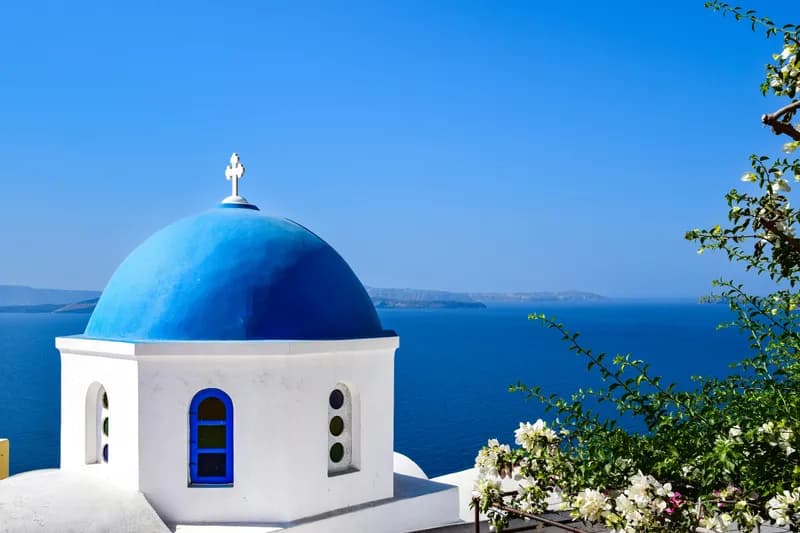
Santorini is postcard-perfect Greece—white-washed buildings perched on volcanic cliffs, blue-domed churches, sunsets that are genuinely spectacular, and the caldera (volcanic crater) below creating otherworldly geography. The island is small enough to navigate easily yet feels expansive due to the vertical landscape. Tourism dominates; the crowds are substantial; the experience can feel commercial. Yet the beauty is undeniable, and moving beyond main areas (Oia and Fira) reveals quieter villages, local tavernas, volcanic beaches, and the sense of an island that existed before the tourism boom. The pace is slow; the light is extraordinary; the food is simple Mediterranean cooking at its best. Santorini works best approached with timing strategy (avoiding peak summer hours), geographic intelligence (knowing which beaches and villages avoid central crowds), and willingness to discover beyond the famous views.
Best Time to Visit
May and June offer warm weather without summer's heat and intensity. September offers warm water and declining crowds. April and October are pleasant but water is cooler. July and August are hot, crowded, and expensive; avoid if possible.
### Areas to Know
Oia The famous village perched on cliffs with white-washed buildings and blue domes, Oia is extraordinarily picturesque and relentlessly touristy. The sunset draws thousands. Visit early morning or late evening, or skip it entirely if you want to avoid crowds.
Fira The main town with shopping, restaurants, and transit, Fira is where ferries arrive and buses depart. It's functional and busy but less photogenic than Oia.
Kamari and Perissa Quieter towns on the island's east side with black sand beaches and local energy, these areas offer escape from Oia's intensity while remaining accessible.
Akrotiri An archaeological site preserving a Minoan settlement, Akrotiri is interesting and less touristy. The site includes well-preserved buildings, art, and daily-life artifacts.
Amoudi Bay A small fishing village at the base of cliffs (accessed by walking down 280 steps), Amoudi is quiet and serves excellent fresh fish—a genuine escape.
Volcanic Beaches Beaches at Kamari and Perissa have black or red sand from volcanic origins. Swimming in such distinctive water is memorable.
Nearby Islands Ferries connect to smaller, less-visited islands like Thirassia, which offer escape and different perspective.
### Food & Drink
Santorini cuisine reflects the island's volcanic soil and Mediterranean location: fava (yellow split pea dip), tomatoes, fish, octopus, white wine from the island's vineyards. The local wine is distinctive (made from volcanic soil); it's worth tasting. Street food includes gyros and Greek pastries; mid-range tavernas serve island specialties; elevated dining emphasizes local ingredients. The best meals often happen at small neighborhood tavernas rather than touristy establishments.
### Experiences by Traveler Type
Couples - Watch sunset from a quiet location (not crowded Oia)—early morning views are equally beautiful with fewer people - Share candlelit dinners at neighborhood tavernas in quieter villages - Rent a boat and anchor at isolated coves for swimming - Explore volcanic sites and hiking trails between villages
Solo Travelers - Stay in Kamari or Perissa where there's neighborhood energy and beach community - Join group boat tours or beach days to meet other travelers - Explore the island systematically, finding your own favorite villages and beaches - Participate in beach activities (swimming, snorkeling)
Groups - Rent a boat together and anchor at multiple locations with swimming and picnicking - Book a group dinner at a local taverna in a quiet village - Organize a progressive dinner across different villages - Hike together between villages, discovering volcanic landscape
Families - Use beaches with calm water and family amenities (Perissa, Kamari) - Explore archaeological site at Akrotiri - Take boat tours to nearby islands or around the island - Enjoy simple meals at family-friendly tavernas
Adventure Travelers - Hiking trails between villages and across the island - Windsurfing or water sports opportunities - Diving and snorkeling in surrounding waters - Kayaking to explore coves and volcanic features
### Getting Around
The island is small; buses connect major areas. Taxis are available but expensive. Renting scooters or cars provides freedom for exploration. Walking is feasible between some villages but distances are deceptive on the vertical landscape. Ferries run to nearby islands.
### Insider Tips
- 1Skip Oia sunset or arrive extremely early. Oia is beautiful but sunset time is uncomfortably crowded. If interested in the sunset view, arrive by 4 PM and claim space. Alternatively, find a quieter sunset spot elsewhere on the island.
- 1Kamari is a better beach base than Oia or Fira. It has actual beaches, local restaurants, fewer tourists, and better value. Stay there and day-trip to Oia if desired.
- 1Early morning is when Santorini is actually beautiful. Avoid the island between 10 AM and 5 PM when tour groups are everywhere. Early morning swims, quiet walks, and evening exploration are when you'll understand why people love this island.
- 1Amoudi Bay is a secret most tourists miss. Walk down the 280 steps to this tiny fishing village, order fresh grilled fish, and sit overlooking the bay. It's genuine and delicious.
- 1Local wine is distinctive. Taste it; you'll either love it or find it unusual. The volcanic soil gives it particular character.
### The Velvano Touch
Santorini's beauty is real and worth experiencing, but the island's charm emerges when you move beyond peak-tourist times and main gathering spots. We'll craft your days around accessing Santorini's genuine character: quieter villages, early morning swims, neighborhoods where locals gather, the volcanic geology and history, and the Mediterranean simplicity that makes the island worth visiting despite the crowds. Timing and location strategy transform Santorini from overwhelming tourism into genuine island experience.
---
Food & Drink
Santorini cuisine reflects the island's volcanic soil and Mediterranean location: fava (yellow split pea dip), tomatoes, fish, octopus, white wine from the island's vineyards. The local wine is distinctive (made from volcanic soil); it's worth tasting. Street food includes gyros and Greek pastries; mid-range tavernas serve island specialties; elevated dining emphasizes local ingredients. The best meals often happen at small neighborhood tavernas rather than touristy establishments.
Getting Around
The island is small; buses connect major areas. Taxis are available but expensive. Renting scooters or cars provides freedom for exploration. Walking is feasible between some villages but distances are deceptive on the vertical landscape. Ferries run to nearby islands.
Insider Tips
- 1Skip Oia sunset or arrive extremely early. Oia is beautiful but sunset time is uncomfortably crowded. If interested in the sunset view, arrive by 4 PM and claim space. Alternatively, find a quieter sunset spot elsewhere on the island.
- 1Kamari is a better beach base than Oia or Fira. It has actual beaches, local restaurants, fewer tourists, and better value. Stay there and day-trip to Oia if desired.
- 1Early morning is when Santorini is actually beautiful. Avoid the island between 10 AM and 5 PM when tour groups are everywhere. Early morning swims, quiet walks, and evening exploration are when you'll understand why people love this island.
- 1Amoudi Bay is a secret most tourists miss. Walk down the 280 steps to this tiny fishing village, order fresh grilled fish, and sit overlooking the bay. It's genuine and delicious.
- 1Local wine is distinctive. Taste it; you'll either love it or find it unusual. The volcanic soil gives it particular character.
### The Velvano Touch
Santorini's beauty is real and worth experiencing, but the island's charm emerges when you move beyond peak-tourist times and main gathering spots. We'll craft your days around accessing Santorini's genuine character: quieter villages, early morning swims, neighborhoods where locals gather, the volcanic geology and history, and the Mediterranean simplicity that makes the island worth visiting despite the crowds. Timing and location strategy transform Santorini from overwhelming tourism into genuine island experience.
---