Overview
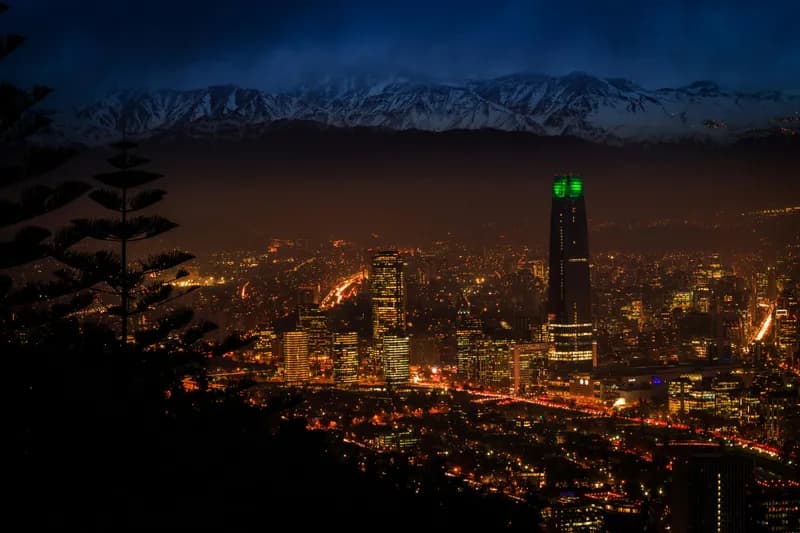
Santiago is a city of contrasts—modern high-rises and colonial buildings, wealthy neighborhoods and poor settlements, wine regions easily accessible and urban sprawl limiting walkability. The Andes mountains frame everything, providing constant views and context. The city has transformed significantly in recent years, with new museums, renovated neighborhoods, and a growing restaurant scene reflecting South American creativity. The political and social movements that have reshaped Chile in recent years have made the city intellectually vibrant and culturally engaged. The wine regions (Maipo Valley, Casablanca Valley) are close enough for day trips or overnights. The city operates more like a modern international capital than many South American cities—efficient, organized, with less street chaos—which appeals to some travelers and bores others. Santiago rewards those interested in contemporary urban culture and wine.
Best Time to Visit
September–November (spring) and March–May (fall) bring ideal weather—mild temperatures, blooming or colorful landscapes, and moderate crowds. December–February is hot and some travelers find it less pleasant, though the city's summer festivals are active. June–August is cool but manageable. Year-round, mountain views are weather-dependent; clear days are best appreciated early morning or late afternoon.
Neighborhoods to Know
Lastarria: A bohemian, artsy neighborhood with galleries, vintage shops, museums, and cafés. Walkable and charming, the heart of Santiago's cultural scene.
Bellavista: Adjacent to Lastarria, bohemian with street art, nightlife, and a younger vibe. Increasingly touristy but still lively and culturally active.
Las Condes: An upscale, wealthy neighborhood with modern high-rises, shopping, and fine dining. Less atmospheric than bohemian areas but important for understanding contemporary Santiago.
Providencia: An affluent neighborhood with tree-lined streets, parks, and a quieter, more residential vibe than Las Condes.
Barrio Brasil: An emerging, artsy neighborhood with street art, galleries, cafés, and a frontier feel. Less polished than Lastarria but more authentically in transformation.
Food & Drink
Chilean food culture emphasizes fresh ingredients (seafood from the long coastline, produce from agricultural regions) prepared simply. Empanadas (baked or fried pastries with meat or cheese filling) are ubiquitous. Pastel de Choclo (corn pie with meat filling) is comfort food. Fresh fish from the Pacific appears frequently. Caldillo de Congrio (conger eel soup) is traditional. Wine, of course, is exceptional and taken seriously.
Street Level: Street vendors sell empanadas, sandwiches, and casual fare. Markets offer fresh produce, prepared dishes, and juice. Food courts in shopping areas offer casual options.
Mid-Range: Casual restaurants throughout the city serve Chilean cooking with care. Wine bars and casual dining emphasize local wine and simple food. Cafés are numerous and welcoming.
Elevated: Fine dining in Las Condes and increasingly in Lastarria elevates Chilean ingredients into refined cuisine. Wine programs are taken seriously. Expect technical precision and respect for heritage ingredients.
Getting Around
Santiago's metro (subway) is extensive and efficient, covering most tourist areas. Walking within neighborhoods is enjoyable and safe. Neighborhoods are somewhat spread out but well-connected by transit. Taxis and app-based rides work well and are affordable. Renting a car for wine region trips is common and relatively easy. The city is organized and walkable in a way that makes navigation intuitive.
Insider Tips
- 1The Andes frame everything and are most visible in early morning light. Plan viewing and photography early rather than late in the day when haze builds.
- 1Lastarria is worth multiple visits. The neighborhood's galleries change exhibitions regularly; the café culture invites lingering.
- 1Wine region day trips are easy and worthwhile. The Maipo Valley is 30 minutes away; Casablanca Valley is further but equally accessible. Tour buses and rental cars both work.
- 1Barrio Brasil is emerging and worth exploring if you're interested in contemporary urban transformation and street art.
- 1The city's recent political and social movements have made it intellectually vibrant. Museums, galleries, and street conversations reflect Chile's engagement with its own history and future.
### The Velvano Touch
Santiago is often dismissed as just a capital city—functional but lacking character. But the city's museums, neighborhoods, and increasingly sophisticated food and wine culture reveal genuine vitality and creativity. We craft itineraries that balance wine exploration with neighborhood discovery, art engagement, and the contemporary culture that makes Santiago feel like a city genuinely engaged with its moment.
---