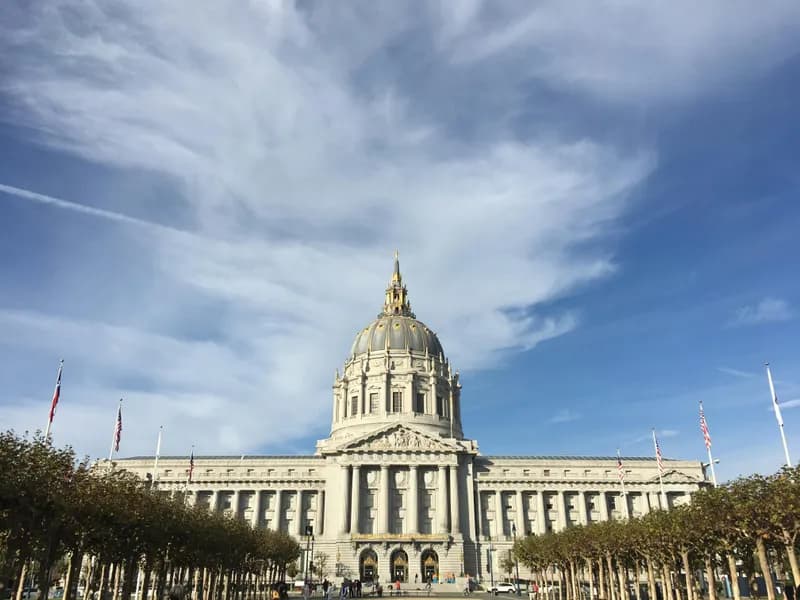
Overview
San Francisco is a city built on contradiction and transformation—Victorian neighborhoods coexist with modern glass towers, liberal culture alongside profound inequality, natural beauty adjacent to urban grit. The Golden Gate Bridge, Alcatraz, and cable cars are iconic but easily become the entire visit if you're not intentional. The real San Francisco lives in neighborhoods: the Mission District pulses with street art and taquerías; Chinatown maintains distinct culture and economy; the Haight preserves bohemian history; the Castro celebrates queer identity; the Sunset is residential and quietly cool. The food culture is innovative and serious. The Bay setting provides constant views and water access. The city is expensive, crowded in peak season, and genuinely complicated, but rewards those willing to wander neighborhoods and sit in cafés observing street life.
Best Time to Visit
September–November brings ideal weather—warm, sunny, minimal rain. May–August is cool and foggy (the "coldest winter I ever spent was a summer in San Francisco" quote is apt), though crowds are highest. December–February is cool and rainy but offers fewer tourists and more local atmosphere. Spring (April–May) brings color and good weather. The weather pattern means you should bring layers year-round.
Neighborhoods to Know
The Mission District: Vibrant, diverse neighborhood with street art, taquerías, galleries, and younger residents. Rapidly gentrifying but still artistically vital and culturally rich.
Chinatown: Historic immigrant neighborhood with distinct culture, architecture, commerce, and cuisine. Essential for understanding San Francisco's cultural layers.
The Haight: Historic bohemian neighborhood with vintage shops, cafés, and countercultural heritage. More touristy than bohemian now but still atmospheric and interesting.
The Castro: The historic LGBTQ+ neighborhood with bars, shops, and cultural institutions. Vibrant and welcoming, with important historical significance.
The Sunset: A residential neighborhood of Victorian homes, small shops, and a quieter vibe than other neighborhoods. Less touristy and more genuinely lived.
Food & Drink
San Francisco's food culture emphasizes fresh ingredients, Asian influences, and innovation. Fresh seafood from coastal access is exceptional. Mission-style burritos (massive, with beans, rice, meat, and guacamole) originated here. Dim sum from Chinatown is outstanding. Vietnamese and Thai cuisines from immigrant neighborhoods are authentic and excellent. Farm-to-table movements originated partly here.
Street Level: Taco trucks and street vendors throughout the city, especially in the Mission. Dim sum carts rolling through restaurants in Chinatown. Vietnamese pho stands. Casual food options everywhere.
Mid-Range: Taquerías in the Mission serve authentic burritos and Mexican food. Vietnamese and Thai restaurants throughout the city offer excellent food at accessible prices. Cafés offer coffee and pastries. Casual sit-down restaurants serve California cuisine.
Elevated: Fine dining emphasizes California ingredients, technical precision, and often vegetable-forward cooking. The restaurant scene is competitive and constantly evolving.
Getting Around
San Francisco's public transit (BART, buses, cable cars, historic streetcars) is extensive and reliable. The city is hilly but walkable within neighborhoods. Neighborhoods are somewhat spread out but connected by transit. Taxis and app-based rides work well but are expensive. Biking is increasingly viable on protected lanes. Parking is difficult and paid. Walking and public transit are the best approaches.
Insider Tips
- 1The Golden Gate Bridge is iconic but best appreciated from surrounding areas (viewpoints, beaches) rather than just driving or walking it.
- 1The Mission District is where contemporary San Francisco is happening. Street art, galleries, taquerías, and younger residents make it more interesting and alive than tourist zones.
- 1Chinatown is worth exploring beyond dim sum carts. Walk the residential streets, visit markets, and observe how distinct the neighborhood economy remains.
- 1The Haight is less bohemian than its reputation suggests, but the neighborhood history is interesting. Vintage shops and the park nearby (Buena Vista Park) offer character.
- 1Layer your clothing year-round. San Francisco's microclimates and fog can make 60°F feel colder than other cities; what's sunny downtown can be foggy a few blocks away.
### The Velvano Touch
San Francisco's iconic landmarks are worth seeing, but the city's actual character—its neighborhoods, its food culture, its genuine bohemian pockets, and its commitment to diversity (despite gentrification pressures)—reveals itself to those willing to walk beyond the bridge and the cable cars.
---