Overview
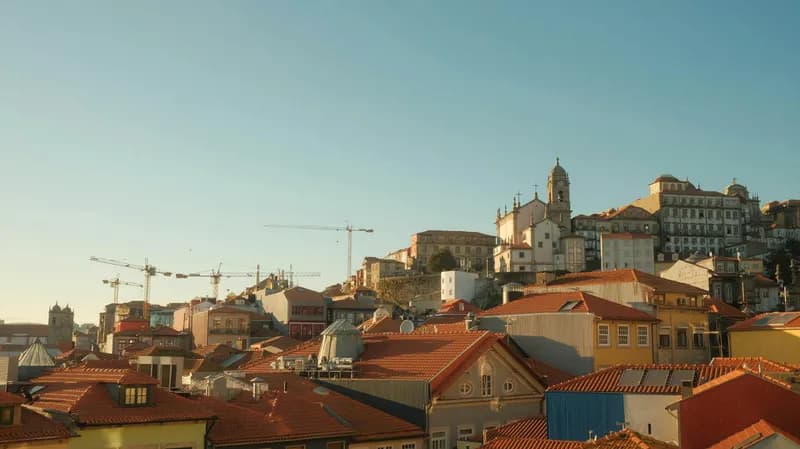
Porto is Portugal's second city, yet it feels like a complete world unto itself—a place that doesn't require Lisbon for context or validation. Built on steep hills tumbling toward the Douro River, Porto's geography is dramatic and challenging. The old city, Ribeira, is a UNESCO-protected warren of medieval streets, laundry fluttering between buildings, local bars serving wine and simple food, and the sense of a working neighborhood that happens to be extraordinarily picturesque. The Livraria Lello, one of Europe's most beautiful bookshops, sits uphill. Port wine is produced here; the river is crossed by an iconic bridge; the light on terracotta roofs is golden. Porto doesn't feel polished or designed for tourism; it's genuine, slightly rough, authentic. The food is excellent and affordable; the locals are warm; the pace is slower than you'd expect from a major city.
Best Time to Visit
April through May and September through October offer warm weather without summer intensity. Spring brings renewal; fall is contemplative. Summer is warm and busy; winter is cool and rainy but brings authenticity and solitude.
### Neighborhoods and Areas to Know
Ribeira (Old Town) The historic medieval core cascading down to the river, Ribeira is where picturesque Porto concentrates. It's touristy but authentically lived-in; locals live and work among visitors. Narrow streets, small bars, laundry, and the smell of cooking define it.
Livraria Lello and Surrounding Area The famous bookshop sits in an upscale neighborhood with galleries, shops, and cafés. It's beautiful and worth seeing but can feel removed from Porto's rougher authenticity.
Miragaia Adjacent to Ribeira, Miragaia is less touristy, more working-class, with local bars and restaurants. It's worth exploring for its authenticity and escape from main touristy streets.
Boavista A more contemporary neighborhood with museums, restaurants, and upscale shops, Boavista represents modern Porto. It's less historic but reveals the city's contemporary side.
Clérigos The neighborhood around the historic Torre dos Clérigos, it's touristy but the tower offers views. The surrounding area has shops and restaurants serving tourists and locals.
Massarelos and Afurada Across the river (accessed by boat or bridge), these neighborhoods offer escape and different perspective. They're more working-class and less touristy.
River and Bridge Views The Dom Luís Bridge and the river itself are defining features. Walking the bridge, taking boats on the river, and viewing from different angles reveals Porto's geography and beauty.
### Food & Drink
Portuguese cuisine emphasizes fish, seafood, and simple preparation. Porto's culinary tradition includes francesinha (a decadent sandwich), grilled sardines, bacalao, seafood rice, and soup. Wine is central—Port wine especially, but also dry whites and reds from the Douro region. The café culture is important; coffee and pastries are morning ritual. Meals are social and extended. Street food includes francesinha and pastries; mid-range restaurants serve Portuguese specialties; elevated dining presents these ingredients with technique.
### Experiences by Traveler Type
Couples - Walk Ribeira's narrow streets at dawn or evening when quieter and light is golden - Share candlelit dinners at small neighborhood restaurants, eating slowly - Ride the Dom Luís Bridge or cross by boat for views and experience - Visit a Port wine lodge, learning about production and tasting varieties
Solo Travelers - Stay in Ribeira among the local energy and other travelers - Take a walking tour focused on neighborhoods or history - Join a food tour discovering street food and local restaurants - Spend time in bars with locals, sipping wine and engaging in conversation
Groups - Book a group Port wine tasting at a lodge - Organize a progressive dinner through different neighborhoods - Rent a group apartment in Ribeira as a social base - Take a boat trip on the Douro (day trip or longer up-river)
Families - Explore Ribeira by walking the narrow streets - Ride boats on the river for perspective and engagement - Visit the bridge and enjoy views - Explore museums or other attractions suited to children's interests
Adventure Travelers - Hiking or cycling in surrounding regions and up the Douro Valley - Rock climbing opportunities in surrounding areas - Kayaking on the Douro or in surrounding regions - Multi-day boat trips up the Douro to smaller towns
### Getting Around
Porto is navigable on foot though hills are steep; there's plenty of climbing. Public transportation (buses, funiculars) assists with steep neighborhoods. Boats on the river provide transport and sightseeing. Taxis are available and reasonable. The city requires fitness for extensive walking; public transit extends range.
### Insider Tips
- 1Stay in or near Ribeira despite crowds. It's where Porto's character concentrates. Walk it early morning and late evening when tourists thin; engage with the neighborhood's actual texture.
- 1Visit Port wine lodges on the south side. Cross the bridge and explore the lodges and their cellars. Tastings are accessible and educational.
- 1Eat francesinha at least once. The iconic Porto sandwich is decadent and worth the indulgence. Find a casual neighborhood spot, not a tourist establishment.
- 1Boavista museums and contemporary areas reveal modern Porto. The historic old town is essential, but spending time in newer areas shows the city's contemporary identity.
- 1Take a Douro boat trip. Even a day trip upriver reveals stunning landscape and a different relationship with the city. Longer trips into wine country are worth serious consideration.
### The Velvano Touch
Porto is a city that rewards those who embrace the hills, the narrow streets, and the genuine neighborhood character. It's not polished or overly designed for tourism; it's authentic, lived-in, and deeply rooted. We'll craft your days around exploring Ribeira's texture, understanding the Port wine culture, engaging with locals in bars and neighborhoods, and moving at the pace that reveals Porto's particular charm—a city that feels like an actual place residents inhabit rather than a destination designed for outsiders.
---
Food & Drink
Portuguese cuisine emphasizes fish, seafood, and simple preparation. Porto's culinary tradition includes francesinha (a decadent sandwich), grilled sardines, bacalao, seafood rice, and soup. Wine is central—Port wine especially, but also dry whites and reds from the Douro region. The café culture is important; coffee and pastries are morning ritual. Meals are social and extended. Street food includes francesinha and pastries; mid-range restaurants serve Portuguese specialties; elevated dining presents these ingredients with technique.
Getting Around
Porto is navigable on foot though hills are steep; there's plenty of climbing. Public transportation (buses, funiculars) assists with steep neighborhoods. Boats on the river provide transport and sightseeing. Taxis are available and reasonable. The city requires fitness for extensive walking; public transit extends range.
Insider Tips
- 1Stay in or near Ribeira despite crowds. It's where Porto's character concentrates. Walk it early morning and late evening when tourists thin; engage with the neighborhood's actual texture.
- 1Visit Port wine lodges on the south side. Cross the bridge and explore the lodges and their cellars. Tastings are accessible and educational.
- 1Eat francesinha at least once. The iconic Porto sandwich is decadent and worth the indulgence. Find a casual neighborhood spot, not a tourist establishment.
- 1Boavista museums and contemporary areas reveal modern Porto. The historic old town is essential, but spending time in newer areas shows the city's contemporary identity.
- 1Take a Douro boat trip. Even a day trip upriver reveals stunning landscape and a different relationship with the city. Longer trips into wine country are worth serious consideration.
### The Velvano Touch
Porto is a city that rewards those who embrace the hills, the narrow streets, and the genuine neighborhood character. It's not polished or overly designed for tourism; it's authentic, lived-in, and deeply rooted. We'll craft your days around exploring Ribeira's texture, understanding the Port wine culture, engaging with locals in bars and neighborhoods, and moving at the pace that reveals Porto's particular charm—a city that feels like an actual place residents inhabit rather than a destination designed for outsiders.
---