Overview
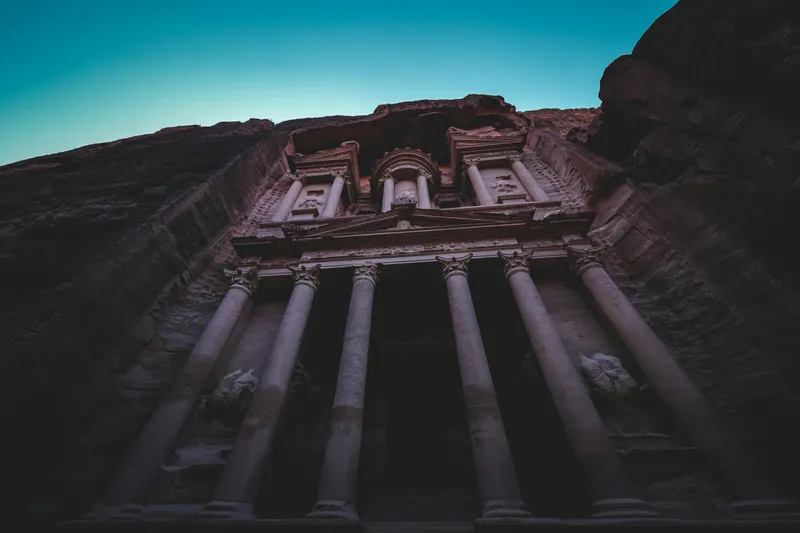
Petra is an archaeological site of extraordinary beauty and historical significance—a Nabatean city carved directly into rose-red sandstone cliffs. Walking into the canyon and encountering the Treasury facade creates genuine awe. The site is massive, requiring multiple days to explore. The surrounding town of Wadi Musa provides accommodations but exists primarily to support tourism. Understanding Petra requires time to move beyond famous facades to lesser-visited monasteries and pathways. The site is crowded during peak hours, but early morning and late afternoon offer quieter experiences and better light.
Best Time to Visit
April–May and September–October bring ideal weather—warm days (70–80°F), cool nights, minimal rain. November–March is cool and rainy but offers fewer tourists. June–August is hot (90–105°F). December–January brings holiday crowds. Book accommodations in advance. Plan at least two full days.
### The Site and Surroundings
The Canyon and Famous Facades: The main entrance through the Siq leads to the Treasury and other structures. Crowded during peak but undeniably spectacular.
The Monastery: A high-altitude carved structure requiring substantial hike but offering fewer crowds and dramatic views.
High Plateau Trails: Less-visited hiking paths offer solitude and different landscape perspectives.
Wadi Musa Town: The service town with hotels, restaurants, shops. Functional but touristy.
Surrounding Landscape: Desert, canyons, hiking areas around Petra offer exploration beyond the main site.
### Food & Drink
Wadi Musa's food culture reflects Jordanian traditions and tourism infrastructure. Mansaf, falafel, hummus, pita appear widely. Fresh vegetables prepared simply. Jordanian coffee and Arabic tea. Tourist-oriented restaurants offer international options.
Street Level: Casual vendors sell falafel, shawarma, kebab. Markets offer fresh produce and prepared dishes.
Mid-Range: Casual restaurants serve Jordanian cooking. International restaurants cater to tourists. Cafés serve coffee and pastries.
Elevated: Fine dining emphasizes Jordanian heritage and regional specialties. Quality varies but better restaurants offer respectful preparation.
### Experiences by Traveler Type
Couples: A full day hiking from Treasury to Monastery with packed lunch creates bonding and shared awe. Sunset from high vantage points. An evening stroll through town followed by dinner.
Solo Travelers: The site welcomes solo exploration. Hiring a guide provides context and connection. Early morning visits to main sights offer solitude and better light. Hiking at individual pace.
Groups: A structured multi-day expedition with guide maximizes experience and safety. Group hiking with individual pace. Evening gatherings to discuss discoveries.
Families: The Treasury and main structures are accessible to families. Less strenuous paths work for younger kids. Hiring a guide helps kids understand history and archaeology.
Adventure Seekers: Technical rock climbing and via ferrata (protected climbing). Multi-day backcountry camping treks. Hiking to lesser-known structures and high-altitude paths.
### Getting Around
Petra is accessed from Wadi Musa. Within the site, walking and climbing are primary navigation. Guides available and recommended. Local tours and operators offer various packages. Transportation between Wadi Musa and other Jordanian destinations requires buses or rental cars.
### Insider Tips
- 1Arrive early (gates open at 6 a.m.) to experience the Treasury with fewer crowds and better light. The site is infinitely more enjoyable before tour buses arrive.
- 1Plan for at least two full days to explore meaningfully. The Treasury is famous but represents only a fraction of what Petra contains. The Monastery and high-plateau trails offer solitude.
- 1Hiring a knowledgeable local guide greatly enhances understanding. They provide context about Nabatean history, geology, and hidden structures that solo exploration misses.
- 1Bring substantial water and sun protection. The desert is harsh; hiking at altitude in heat requires preparation.
- 1The landscape is as important as the archaeology. The rose-red cliffs, canyons, and views are genuinely spectacular.
### The Velvano Touch
Petra's fame is deserved—the archaeological significance and landscape beauty are extraordinary. We craft itineraries encouraging time on-site to move beyond the Treasury facade to lesser-visited structures, high-altitude trails, and the genuine power of landscape and human achievement carved into stone.
---
## MIDDLE EAST COMPLETE (6 cities)
## AFRICA
---
Food & Drink
Wadi Musa's food culture reflects Jordanian traditions and tourism infrastructure. Mansaf, falafel, hummus, pita appear widely. Fresh vegetables prepared simply. Jordanian coffee and Arabic tea. Tourist-oriented restaurants offer international options.
Street Level: Casual vendors sell falafel, shawarma, kebab. Markets offer fresh produce and prepared dishes.
Mid-Range: Casual restaurants serve Jordanian cooking. International restaurants cater to tourists. Cafés serve coffee and pastries.
Elevated: Fine dining emphasizes Jordanian heritage and regional specialties. Quality varies but better restaurants offer respectful preparation.
Getting Around
Petra is accessed from Wadi Musa. Within the site, walking and climbing are primary navigation. Guides available and recommended. Local tours and operators offer various packages. Transportation between Wadi Musa and other Jordanian destinations requires buses or rental cars.
Insider Tips
- 1Arrive early (gates open at 6 a.m.) to experience the Treasury with fewer crowds and better light. The site is infinitely more enjoyable before tour buses arrive.
- 1Plan for at least two full days to explore meaningfully. The Treasury is famous but represents only a fraction of what Petra contains. The Monastery and high-plateau trails offer solitude.
- 1Hiring a knowledgeable local guide greatly enhances understanding. They provide context about Nabatean history, geology, and hidden structures that solo exploration misses.
- 1Bring substantial water and sun protection. The desert is harsh; hiking at altitude in heat requires preparation.
- 1The landscape is as important as the archaeology. The rose-red cliffs, canyons, and views are genuinely spectacular.
### The Velvano Touch
Petra's fame is deserved—the archaeological significance and landscape beauty are extraordinary. We craft itineraries encouraging time on-site to move beyond the Treasury facade to lesser-visited structures, high-altitude trails, and the genuine power of landscape and human achievement carved into stone.
---
## MIDDLE EAST COMPLETE (6 cities)
## AFRICA
---