Overview
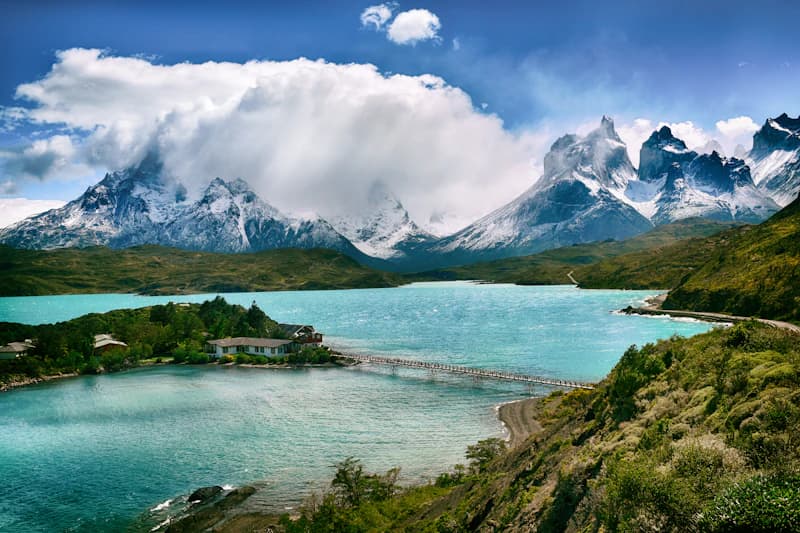
Patagonia is a landscape first, a region second, and a set of towns third. The dramatic geography—towering granite peaks, massive glaciers, windswept steppes—dominates everything. The region's towns (El Chaltén, El Calafate, Puerto Madryn, Ushuaia) function as bases for experiencing the landscape. El Chaltén is the trekker's headquarters with young, adventurous crowds and excellent hiking trails. El Calafate offers glacier access and easier logistics. The smaller towns offer quieter experiences and windows into how Patagonian communities actually function beyond tourism. The region's weather is notoriously changeable—rain, wind, and sun can shift hourly. The best time to visit offers not perfect weather but rather dramatic light and manageable temperatures. Patagonia appeals to those who prioritize landscape over comfort, adventure over convenience.
Best Time to Visit
December–February brings summer weather (mild temperatures, long daylight) and peak crowds. November and March offer good weather with fewer tourists but more unpredictable conditions. April–October is off-season with harsh weather but fewer tourists and lower prices. For serious hiking, December–February is necessary; for solitude and willingness to face weather, other seasons work.
### Towns to Know
El Chaltén: A hiking headquarters with young, energetic crowds, excellent trail access to Fitz Roy and Laguna de los Tres Picos. Vibrant but increasingly crowded. Good restaurants and lodging despite small size.
El Calafate: The main tourist hub with easier access to Perito Moreno Glacier and better infrastructure than El Chaltén. More touristy but offering more amenities and less physically demanding experiences.
Puerto Madryn: A coastal town in northern Patagonia with wildlife viewing (penguins, whales, seals) and a quieter, less mountainous landscape. Worth visiting for different Patagonian ecosystem.
Ushuaia: At the southern tip, claiming to be the southernmost city in the world. Dramatic landscapes, Beagle Channel boat trips, and access to Tierra del Fuego. Remote and expensive but genuinely at the edge.
Lago Puelo and other small towns: Tiny villages offering Patagonian experience without the tourist infrastructure. Quieter and more authentic but requiring self-sufficiency.
### Food & Drink
Patagonian food culture centers on what's available in a remote region: lamb (cordero) is exceptional. Fresh fish from Patagonian waters—particularly trout and centolla (king crab). Simple preparations (grilled, roasted) respect the ingredient quality. The restaurant scene reflects the region's remoteness—good ingredients, straightforward cooking, limited options.
Street Level: Food trucks and casual vendors operate in larger towns but are limited. Basic empanadas and sandwiches available.
Mid-Range: Casual restaurants in El Chaltén and El Calafate serve grilled lamb, fish, and hearty preparations. Parrillas (grills) focus on meat quality. Cafés offer coffee and pastries.
Elevated: Better restaurants in El Calafate focus on local ingredients—lamb, fish, regional vegetables. Service and atmosphere improve as you move toward towns with better tourism infrastructure.
### Experiences by Traveler Type
Couples: A guided hike to Laguna de los Tres Picos or Fitz Roy creates adventure and shared memory. Glacier viewing (via boat or trekking) offers awe-inspiring landscape. A multi-day trek from El Chaltén (if both are fit) builds bonding through shared challenge. Sunset walks along scenic overlooks in El Calafate.
Solo Travelers: Hiking culture welcomes solo trekkers, and group hiking tours connect you with other adventurers. Refugios (mountain huts) offer community and shared meals with other hikers. Boat tours and guided experiences operate regularly. The landscape offers solitude and reflection.
Groups: Multi-day treks (Fitz Roy circuits, other routes) create shared memory and conversation. Glacier tours by boat or foot divide attention and create natural gathering points. Group hiking with time for individual pace creates bonding.
Families: Glacier tours (accessible via boat or short walks) work for families. El Calafate's smaller hikes are family-friendly. Lago Argentino boat trips offer wildlife and scenery without requiring hiking. The landscape appeals to kids' sense of scale and drama.
Adventure Seekers: This is the region for serious hikers and mountaineers. Multi-day treks, technical climbing, backcountry camping. Kayaking. Horse trekking. Winter climbing in off-season.
### Getting Around
El Chaltén and El Calafate are small and walkable. Reaching them requires air travel (flights to El Calafate airport) or long-distance buses from Argentina's north. Between the two towns is about a 3-hour bus ride. Park access requires guides or self-sufficiency (trails are generally well-marked). Hiring a guide is recommended for first-time visitors to maximize experience and ensure safety.
### Insider Tips
- 1Weather is unpredictable—plan flexibility into your itinerary. Clear days that allow trekking can shift to rain within hours. Afternoon clouds frequently limit views; early morning starts maximize visibility.
- 1Both towns have become increasingly touristy, but the landscape hasn't changed. Venture beyond the main trails for solitude and to escape crowds.
- 1El Chaltén is physically demanding. Trails to main attractions involve significant elevation and distance. Be honest about your fitness level before committing to multi-day treks.
- 1Glacier tours (Perito Moreno) are impressive but touristy. The experience is still worth it, but expect crowds and tour buses.
- 1The region is expensive by Argentine standards. Budget accordingly—remote locations, seasonal supply chains, and tourism economics create higher prices.
### The Velvano Touch
Patagonia is landscape-focused travel in its purest form—the mountains, the glaciers, and the vast open spaces are the actual destinations. We craft itineraries that prioritize getting you into the landscape through thoughtful hike selection, logistics support, and timing that balances accessibility with solitude and challenge.
---
Food & Drink
Patagonian food culture centers on what's available in a remote region: lamb (cordero) is exceptional. Fresh fish from Patagonian waters—particularly trout and centolla (king crab). Simple preparations (grilled, roasted) respect the ingredient quality. The restaurant scene reflects the region's remoteness—good ingredients, straightforward cooking, limited options.
Street Level: Food trucks and casual vendors operate in larger towns but are limited. Basic empanadas and sandwiches available.
Mid-Range: Casual restaurants in El Chaltén and El Calafate serve grilled lamb, fish, and hearty preparations. Parrillas (grills) focus on meat quality. Cafés offer coffee and pastries.
Elevated: Better restaurants in El Calafate focus on local ingredients—lamb, fish, regional vegetables. Service and atmosphere improve as you move toward towns with better tourism infrastructure.
Getting Around
El Chaltén and El Calafate are small and walkable. Reaching them requires air travel (flights to El Calafate airport) or long-distance buses from Argentina's north. Between the two towns is about a 3-hour bus ride. Park access requires guides or self-sufficiency (trails are generally well-marked). Hiring a guide is recommended for first-time visitors to maximize experience and ensure safety.
Insider Tips
- 1Weather is unpredictable—plan flexibility into your itinerary. Clear days that allow trekking can shift to rain within hours. Afternoon clouds frequently limit views; early morning starts maximize visibility.
- 1Both towns have become increasingly touristy, but the landscape hasn't changed. Venture beyond the main trails for solitude and to escape crowds.
- 1El Chaltén is physically demanding. Trails to main attractions involve significant elevation and distance. Be honest about your fitness level before committing to multi-day treks.
- 1Glacier tours (Perito Moreno) are impressive but touristy. The experience is still worth it, but expect crowds and tour buses.
- 1The region is expensive by Argentine standards. Budget accordingly—remote locations, seasonal supply chains, and tourism economics create higher prices.
### The Velvano Touch
Patagonia is landscape-focused travel in its purest form—the mountains, the glaciers, and the vast open spaces are the actual destinations. We craft itineraries that prioritize getting you into the landscape through thoughtful hike selection, logistics support, and timing that balances accessibility with solitude and challenge.
---