Overview
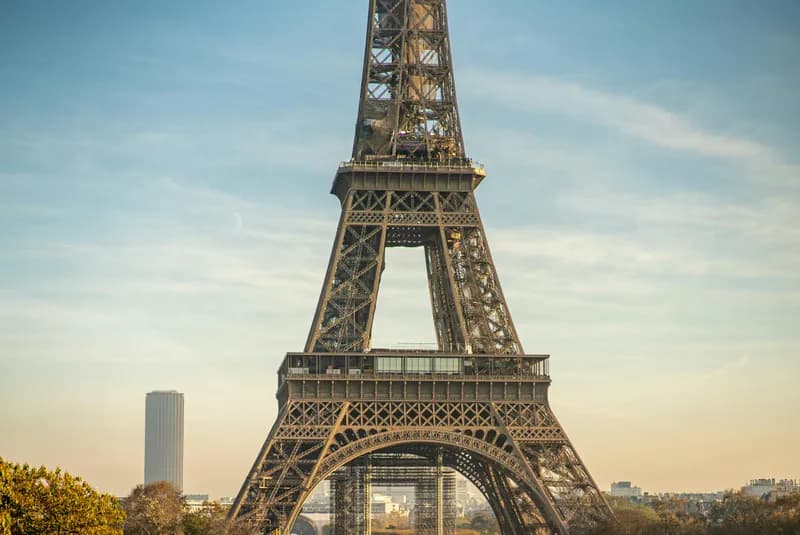
Paris resists single narrative. It's a city of iconic beauty (the Eiffel Tower, the Seine, the Louvre) and neighborhood authenticity (corner cafés, residential plazas, local markets). It's romantic and intellectual simultaneously; it's been mythologized endlessly yet genuinely rewards attention and engagement. Walking neighborhoods matters more than checking sights; the city reveals itself in details—a courtyard, a staircase, a small gallery, the light on stone. Paris demands time; it's not a city to rush through. The café culture is real; spending hours over coffee or wine observing life is essential. The food culture is serious; even casual restaurants maintain standards. Paris is expensive; it's crowded; it can feel over-visited. But for those who move beyond icons into neighborhoods and approach the city with patience, Paris delivers on its mythology.
Best Time to Visit
May through June and September through October offer mild weather, good light, and fewer crowds than summer. Spring brings renewal; fall is contemplative. July and August are warm but extremely crowded and many locals leave. Winter is cold and grey but brings solitude and atmospheric quality.
### Neighborhoods and Areas to Know
Île de la Cité and Île Saint-Louis The historic islands in the Seine contain Notre-Dame, Sainte-Chapelle, and the oldest Paris. They're foundational historically but also touristy and crowded. Worth seeing but in context of broader exploration.
Left Bank (Latin Quarter, Saint-Germain) The bohemian intellectual heart, the Left Bank contains cafés (Café de Flore, Les Deux Magots), bookshops, galleries, and students. It's gentrified from its bohemian past but retains cultural credibility. Saint-Germain is upscale; the Latin Quarter more student-focused.
Right Bank (Marais, Le Louvre) The Marais is hip, with boutiques, galleries, restaurants, and a young creative demographic. It's gentrified but maintains edge. The Louvre area is monumental and touristy; it's important but requires strategy for meaningful engagement.
Montmartre A hilltop neighborhood with village character, Montmartre contains Sacré-Coeur and tourist infrastructure but also genuine neighborhood feel in residential areas. Avoid main touristy streets; explore residential areas for authenticity.
Canal Saint-Martin A neighborhood centered around a calm waterway, Canal Saint-Martin is where young Parisians gather. It's trendy, artistic, with independent shops and restaurants. It feels authentic and engaged.
Belleville A neighborhood in transition with immigrant communities, street art, galleries, and young energy, Belleville is where contemporary Paris is happening—not yet fully gentrified, still genuine, increasingly discovered.
Marais Jewish Quarter The Marais contains a historic Jewish Quarter with falafel stands, kosher shops, and cultural institutions. It's a living community, not a museum, with authentic food and character.
### Food & Drink
French cuisine is foundational to Western cooking. Parisian food emphasizes quality ingredients simply prepared or crafted with technique: croissants, cheese, wine, bistro food (steak and frites, coq au vin), café food. The café culture is essential; sitting for hours over coffee or wine is normal. Restaurants range from casual bistros to world-renowned temples to technique. Street food includes crepes and French sandwiches; mid-range bistros serve traditional dishes; elevated dining is world-renowned.
### Experiences by Traveler Type
Couples - Rent bikes and explore neighborhoods slowly, stopping for coffee and meals - Share picnics in parks (Parc des Buttes-aux-Cailles, Jardin du Luxembourg) - Walk along the Seine at sunset, finding quiet stretches - Spend evenings in neighborhood bars over wine and conversation
Solo Travelers - Stay in the Latin Quarter or Marais where there's neighborhood energy and community - Take neighborhood walking tours focused on specific areas or themes - Spend time in cafés observing Parisian life and locals - Join organized group activities or tours to meet fellow travelers
Groups - Rent a group apartment in a neighborhood as a social base - Organize a market shopping tour, then cook together - Book a group wine tasting in neighborhood wine bars - Take a boat tour on the Seine, seeing the city from the water
Families - Visit major sites (Eiffel Tower, Louvre) strategically for engagement without overwhelming - Explore parks (Jardin du Luxembourg especially) for open space and play - Take boat tours on the Seine for views and movement - Visit neighborhood markets for interactive food experiences
Adventure Travelers - Rock climbing opportunities in surrounding regions - Hiking or cycling to surrounding areas and the Loire Valley (day trips or longer) - Multi-day cycling trips through French regions - Water sports on the Seine or in surrounding areas
### Getting Around
Paris' public transportation (metro, buses, trams) is integrated and efficient. Taxis are expensive. Bikes are viable and give Paris perspective from pedal-level. Walking connects neighborhoods. Trains connect easily to surrounding regions.
### Insider Tips
- 1Skip the iconic attractions or strategically include them. The Eiffel Tower, Louvre, and Notre-Dame are photographed endlessly for good reason; they're remarkable. But they're not essential to understanding Paris. Focus on neighborhoods if sights don't speak to you.
- 1Belleville and Canal Saint-Martin reveal contemporary Paris. Tourist guides rarely mention these areas; they're where young Parisians live and create. Spend significant time here to understand Paris beyond mythology.
- 1The café culture is real but inconsistent in touristy areas. Avoid establishments in tourist districts; seek neighborhood cafés where locals actually sit for hours. The difference is dramatic.
- 1Neighborhoods are Paris. Rather than trying to see everything, choose 2-3 neighborhoods and explore them thoroughly. You'll encounter locals, find authentic restaurants, understand how Parisians actually live.
- 1Parks are essential to Paris understanding. Luxembourg Gardens, Buttes-aux-Cailles, and others are where Parisians spend free time. Spend afternoons in parks observing and absorbing the rhythm.
### The Velvano Touch
Paris rewards slow, intentional exploration. The mythology is real but incomplete; the deeper magic emerges in neighborhoods, in cafés, in the rhythm of actual Parisian life. We'll craft your days around neighborhood exploration rather than attraction-chasing, café time rather than rushing, and discovering Paris as a place residents inhabit rather than just a collection of famous sights.
---
Food & Drink
French cuisine is foundational to Western cooking. Parisian food emphasizes quality ingredients simply prepared or crafted with technique: croissants, cheese, wine, bistro food (steak and frites, coq au vin), café food. The café culture is essential; sitting for hours over coffee or wine is normal. Restaurants range from casual bistros to world-renowned temples to technique. Street food includes crepes and French sandwiches; mid-range bistros serve traditional dishes; elevated dining is world-renowned.
Getting Around
Paris' public transportation (metro, buses, trams) is integrated and efficient. Taxis are expensive. Bikes are viable and give Paris perspective from pedal-level. Walking connects neighborhoods. Trains connect easily to surrounding regions.
Insider Tips
- 1Skip the iconic attractions or strategically include them. The Eiffel Tower, Louvre, and Notre-Dame are photographed endlessly for good reason; they're remarkable. But they're not essential to understanding Paris. Focus on neighborhoods if sights don't speak to you.
- 1Belleville and Canal Saint-Martin reveal contemporary Paris. Tourist guides rarely mention these areas; they're where young Parisians live and create. Spend significant time here to understand Paris beyond mythology.
- 1The café culture is real but inconsistent in touristy areas. Avoid establishments in tourist districts; seek neighborhood cafés where locals actually sit for hours. The difference is dramatic.
- 1Neighborhoods are Paris. Rather than trying to see everything, choose 2-3 neighborhoods and explore them thoroughly. You'll encounter locals, find authentic restaurants, understand how Parisians actually live.
- 1Parks are essential to Paris understanding. Luxembourg Gardens, Buttes-aux-Cailles, and others are where Parisians spend free time. Spend afternoons in parks observing and absorbing the rhythm.
### The Velvano Touch
Paris rewards slow, intentional exploration. The mythology is real but incomplete; the deeper magic emerges in neighborhoods, in cafés, in the rhythm of actual Parisian life. We'll craft your days around neighborhood exploration rather than attraction-chasing, café time rather than rushing, and discovering Paris as a place residents inhabit rather than just a collection of famous sights.
---