Overview
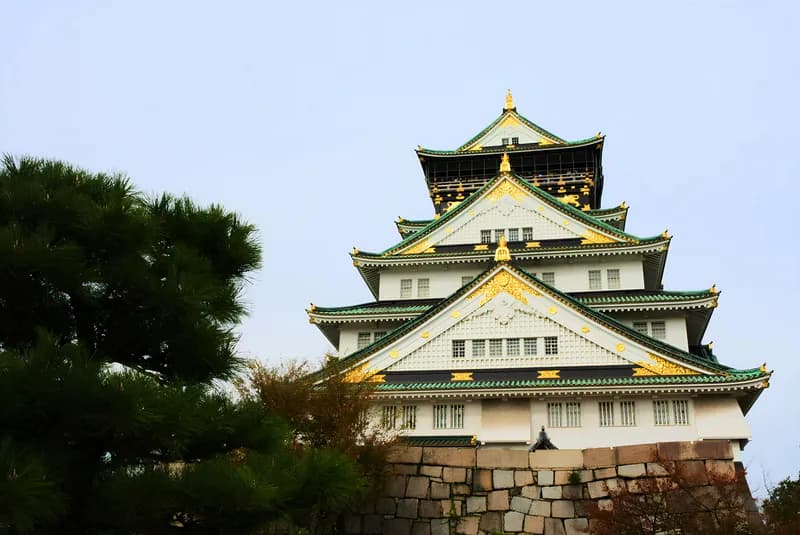
Osaka is often overlooked in favor of Tokyo or Kyoto, but it's Japan's most energetic, unpretentious city—a place where locals outnumber tourists, where the food culture is celebrated openly, and where you're treated as a guest rather than part of a tour group. The city spreads across the Yodo River; Osaka Castle dominates one bank, surrounded by parks and neighborhoods. The downtown is dense, vertical, filled with neon and bustle. Unlike Tokyo's corporate formality or Kyoto's spiritual reserve, Osaka has a casual friendliness. The food here is phenomenal—okonomiyaki (savory pancakes), takoyaki (octopus balls), kushikatsu (fried skewers), and ramen perfected to an art. Markets are lively and unvarnished. The city is less polished than others, but that's precisely why it's so engaging.
Best Time to Visit
March to May (spring, including cherry blossom season) and September to November (autumn, with clear skies) are ideal. December to February is cool; Osaka can be rainy and gray. June to August is hot and humid; the rainy season (tsuyu) in late May brings afternoon downpours. April and October are perfect: good weather, manageable crowds (except peak cherry blossom season in late March-early April, which brings crowds to Osaka Castle).
Neighborhoods to Know
Dotonbori: The famous entertainment and food district, loud and chaotic, packed with restaurants, arcades, bars, and neon signage. It's touristy but authentic—locals eat here too, particularly for specialized dishes like takoyaki and okonomiyaki.
Shinsekai: The old market neighborhood, less polished than Dotonbori but more authentically working-class. Street food vendors, small restaurants, and arcade games create a retro energy. It's where older Osaka residents go.
Umeda: The north side of downtown, centered around Osaka Station, the most modern and commercial part of the city. It's convenient but corporate; you'll find modern restaurants and shopping malls.
Osaka Castle Area: The castle itself sits in a park on the Yodo River; neighborhoods around it are quieter and more residential. The park is beautiful; the surrounding neighborhoods have local restaurants and shrines.
Shinchi & Kabuki-cho: Entertainment and nightlife districts, with theaters, bars, and restaurants. These neighborhoods have different characters—Shinchi is more refined, Kabuki-cho is grittier.
Nishi Ward & Chuo Ward: Central neighborhoods with local life, markets, shrines, and shops. Less touristy, more residential. Good areas for finding neighborhood restaurants and understanding local Osaka.
Food & Drink
Osaka is a food city; this is where people come to eat, not just sustenance but celebration of flavor. Okonomiyaki (savory pancake with varied toppings), takoyaki (octopus balls), kushikatsu (fried skewers), and ramen are local specialties.
Street Food & Stalls: Takoyaki (octopus balls), okonomiyaki (savory pancakes), kushikatsu (fried skewers of meat and vegetables), yakitori (grilled chicken), and street snacks. Stalls cluster in Dotonbori, Shinsekai, and around markets; quality is consistently high.
Mid-Range Dining: Okonomiyaki shops, takoyaki vendors, ramen restaurants, and izakayas (casual drinking establishments with food). These are casual, often standing-room or small counter seating, and where locals eat.
Elevated Dining: Osaka has excellent fine dining, kaiseki restaurants, and refined takes on local specialties. These occupy modern buildings or traditional spaces, offering refined versions of street food.
Experiences by Traveler Type
Every traveler is different. Explore what Osaka has to offer based on how you like to travel.
Experiences by Traveler Type
- Sunrise at Osaka Castle, watching light break over the structure and surrounding park, then breakfast at a nearby cafe
- Okonomiyaki cooking class, learning to make the pancakes on a griddle, then eating your creations
- Evening in Dotonbori, sharing takoyaki and drinks while watching the chaotic energy of the neighborhood
- Couples massage at a traditional Japanese massage (anma) clinic, followed by exploring quieter neighborhoods
Getting Around
The Osaka Loop Line is efficient, connecting major sites on an elevated railway. The subway system covers downtown. Buses are numerous and cheap. Bicycles are rentable and suitable for exploring neighborhoods. Walking is viable in central neighborhoods. Trains connect to nearby cities; many travelers make Osaka a base for exploring the Kansai region (Kyoto, Kobe, Nara are all accessible).
Insider Tips
- 1Takoyaki stalls in Dotonbori and Shinsekai are the place to eat, not sit-down restaurants. The quality is exceptional and prices are low. Eat standing, watching vendors work.
- 1Okonomiyaki restaurants let you watch the preparation. Counter seating is standard; you sit facing the griddle and watch your meal being made.
- 1Osaka is more casual than Kyoto or Tokyo. People are friendlier, less formal; service staff are approachable. Locals will help with directions if you look lost.
- 1Shinsekai is less touristy than Dotonbori but equally vibrant. If you want Osaka without crowds, spend your food time here instead.
- 1Train day trips to Kyoto, Kobe, or Nara are easy and cheap. Osaka's position makes it an excellent base for exploring the region; consider extending beyond the city itself.
---