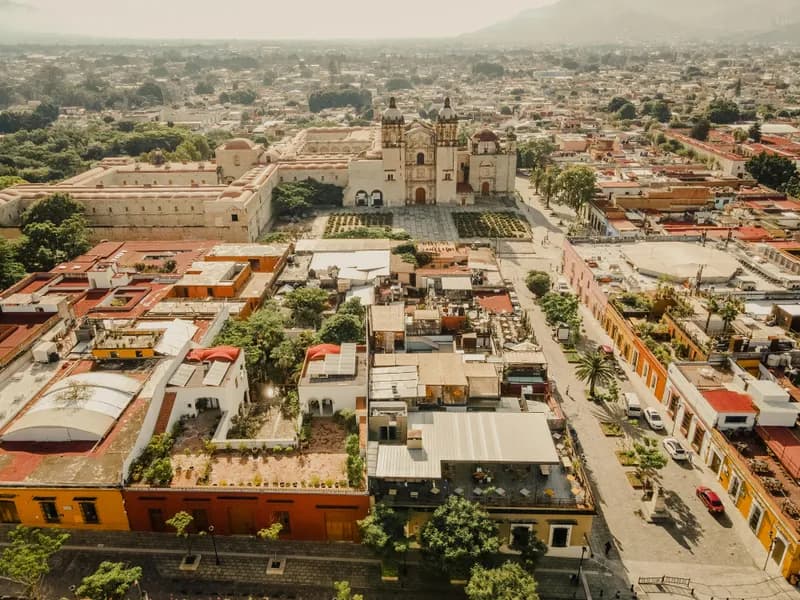
Overview
Oaxaca operates as a cultural crossroads where indigenous traditions, Spanish colonialism, and contemporary Mexican culture coexist visibly. The city sits in a highland valley surrounded by mountains. Indigenous Zapotec and Mixtec cultures remain actively present—visible in markets, traditional dress, linguistic patterns, and spiritual practices. Colonial architecture clusters around the central zócalo. Archaeological sites (Monte Albán, Mitla) reveal pre-Columbian sophistication. The food culture is distinctive and deeply rooted in indigenous ingredients and techniques. Street life happens in markets and plazas. The city moves slower than Mexico City, encouraging lingering and observation. Tourism has increased, but local culture persists stronger here than in many Mexican destinations.
Best Time to Visit
April–June and September–October bring ideal weather—warm days, cool nights, minimal rain. July–August brings green landscapes and fewer tourists, though afternoon showers occur. December–January brings holiday festivals and higher prices. February–March offers good weather and fewer tourists. The Day of the Dead celebrations (late October–early November) are genuine cultural events, not tourist productions, though the city swells with visitors.
Neighborhoods to Know
Centro Histórico: The colonial heart with the zócalo, cathedral, and plazas. Touristy but historically and culturally significant. Best visited early morning and late afternoon to avoid daytime crowds.
Jalatlaco: A neighborhood east of the center with bohemian character, galleries, studios, and a more artsy vibe than the historical center. Increasingly discovered by visitors but still more genuine.
San Felipe del Agua: A bohemian neighborhood north of the center with galleries, cafés, and working artists. Less touristy and more genuinely creative than other areas.
Xochimilco: A neighborhood south of center with markets, local commerce, and less tourism. Where locals shop and eat; good for cultural immersion.
Hierve el Agua: Not a neighborhood but a natural site north of the city with petrified waterfalls and mineral springs. Worth a day trip for natural beauty and hiking.
Food & Drink
Oaxaca's food culture is foundational to Mexican cuisine itself. Mole appears in Oaxaca with more complexity and variation than anywhere else—some regions claim seven versions, others more. Tlayudas (large, thin tortillas with toppings) are regional staple. Chapulines (grasshoppers) are traditional and worth trying. Chocolate made traditionally with stone grinding is ceremonial and delicious. Mezcal (distilled agave spirit, smoky and complex) originates here and deserves respectful exploration.
Street Level: Markets overflow with prepared mole, tlayudas, chapulines, fresh fruit, and local specialties. Vendors sell fresh pan de yema (egg bread), tamales, and prepared dishes. Mezcal bars and shops offer tastings and education.
Mid-Range: Casual restaurants throughout the city serve traditional Oaxacan cooking with care. Comedores (workers' cafeterias) offer enormous plates of traditional food at breakfast and lunch. Cafés serve excellent coffee and are social gathering places.
Elevated: Contemporary restaurants in Jalatlaco and San Felipe elevate traditional ingredients into refined presentations. Expect respect for heritage, seasonal emphasis on local products, and increasingly thoughtful mezcal programs.
Getting Around
Oaxaca's center is walkable and best explored on foot. Jalatlaco and San Felipe are also walkable but slightly removed from the center. Colectivos (shared vans) connect to surrounding towns and villages cheaply and frequently. Taxis are plentiful and negotiable on price. Guides are useful for archaeological sites and surrounding areas—available through hotels or dedicated tourism offices.
Insider Tips
- 1Mole is not one dish but many—each region and family has distinct variations. Try different versions from different vendors and restaurants to appreciate the complexity.
- 1Markets are essential to understanding Oaxaca's culture. Visit Mercado Benito Juárez early morning when vendors are freshest and crowds haven't arrived. The energy is authentic and overwhelming.
- 1Day of the Dead celebrations are genuine cultural events, not performances. If you visit late October–early November, you'll witness authentic traditions alongside increasing tourism.
- 1Mezcal is worth understanding respectfully. It's smoky, complex, and culturally significant. Learning about regional variations and traditional production adds depth.
- 1The Day of the Dead celebrations extend to surrounding villages. Cemeteries stay open at night; families maintain vigils; it's beautiful and respectful if approached with genuine cultural interest.
### The Velvano Touch
Oaxaca's indigenous traditions, archaeological heritage, and distinctive food culture make it unlike any other Mexican destination. We craft itineraries that move beyond the postcard-perfect zócalo to markets, cooking classes, and neighborhoods where you'll engage with the cultures and traditions that make Oaxaca feel authentic and vital.
---