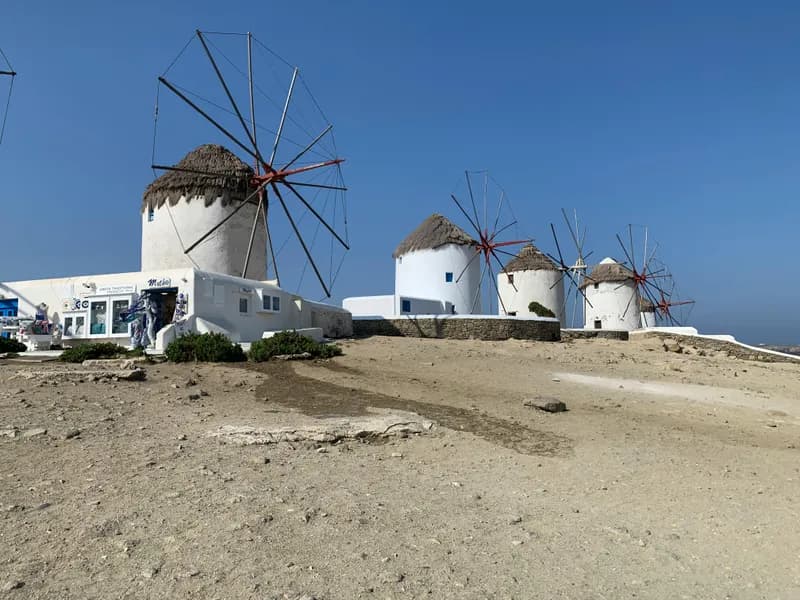
Overview
Mykonos is a small Greek island that's become synonymous with Mediterranean glamour and nightlife. The main town's white-washed buildings and narrow streets form the iconic image; the beaches offer swimming and social gathering; the nightlife is legendary. Yet beneath the high-season tourism and party reputation, Mykonos is a working island with fishing traditions, local communities, quiet corners, and rhythms that predate the modern tourism boom. The challenge is accessing that Mykonos—finding the quieter beaches, discovering local tavernas, experiencing the island when tourists thin. The summer crowds are substantial and the prices are inflated; the pace is fast and social. But early morning swims, sunset views, the particular quality of Aegean light, and the island's genuine Greek character exist for those who time their explorations carefully and move beyond main areas.
Best Time to Visit
May and June offer warm weather, pleasant seas, and manageable crowds before peak summer. September offers warm water and declining crowds. April and October are quieter but water is cooler. July and August are hot, crowded, and expensive—avoid if possible.
### Areas to Know
Mykonos Town (Chora) The main settlement with its iconic white-washed architecture, narrow streets, and waterfront energy, Mykonos Town is where tourism concentrates. It's beautiful but relentlessly touristy; visiting early morning or late evening reveals quieter magic.
Ornos Beach A popular beach with calm water, sandy shoreline, and easy access from town, Ornos attracts families and swimmers seeking comfort over scene.
Paradise Beach Famous for nightlife and young crowds, Paradise Beach is where party culture concentrates. It's lively and social but not tranquil.
Platis Gialos A family-friendly beach with amenities and relative calm, Platis Gialos offers swimming without the party atmosphere of Paradise.
Kalafatis A quieter beach on the island's southeast, Kalafatis offers swimming, water sports, and escape from central crowds.
Little Venice A picturesque waterfront area with restaurants and bars built directly over the water, Little Venice is beautiful but profoundly touristy.
### Food & Drink
Greek island cuisine emphasizes fresh fish, seafood, simple preparations, vegetables, and feta. Expect grilled fish, octopus, calamari, Greek salads, and mezze plates. Ouzo (anise liqueur) and Greek wine are cultural. The dining culture is social; meals are extended events. Tavernas vary dramatically in quality and price; tourist-adjacent areas are expensive with mediocre food; neighborhood spots offer better value and authentic flavors.
### Experiences by Traveler Type
Couples - Swim at quieter beaches before the crowds arrive (early morning) - Share sunset dinners at waterfront restaurants, watching boats and light - Explore town streets at dawn or after 9 PM when tourists thin - Rent a small boat and visit neighboring quiet islands for swimming and isolation
Solo Travelers - Stay in town but venture to quieter beaches early morning for swimming and solitude - Join beach days or sunset boat tours to meet other travelers - Explore the island by renting a bike or scooter, discovering quieter areas - Participate in water sports (windsurfing, paddleboarding) for activity and community
Groups - Rent a boat and island-hop to neighboring quieter islands - Book a group beach day with meals and drinks included - Organize progressive dinners at different waterfront restaurants - Take a group sunset sailing excursion
Families - Visit family-friendly beaches like Platis Gialos with amenities - Explore town's narrow streets and shopping areas - Take boat tours to neighboring islands or along the coast - Enjoy simple meals at waterfront restaurants
Adventure Travelers - Windsurfing, kitesurfing, or other water sports (Mykonos has excellent conditions) - Hiking to quieter areas and viewpoints on the island - Kayaking to explore coves and neighboring islands - Snorkeling or diving opportunities in surrounding waters
### Getting Around
Mykonos Town is navigable on foot despite narrow, winding streets. Buses connect the town to beaches and northern areas. Taxis are readily available but expensive. Renting scooters, bikes, or cars provides freedom for exploring quieter areas. Ferry connections reach neighboring islands like Delos.
### Insider Tips
- 1Visit in May or September. June through August are hot, expensive, and overwhelmingly crowded. The weather is still excellent in shoulder seasons with manageable crowds.
- 1Early morning swimming is transcendent. Wake before 8 AM and go to any beach—you'll have it nearly to yourself, the water is calm, and the light is perfect. The experience is completely different from midday beach culture.
- 1Avoid main restaurants in town. Walk one street inland and prices drop by 50%, quality maintains or improves, and you're eating with locals. The difference is immediate and dramatic.
- 1Neighboring islands (Delos especially) are worth day trips. Delos has archaeological significance and is quieter than Mykonos proper. Ferries are cheap and regular.
- 1The nightlife is real but optional. The clubs and bars are there if interested; they're not required to have a good Mykonos experience. Countless visitors skip them entirely and still have magical time.
### The Velvano Touch
Mykonos has become a destination of superlatives—most expensive, most glamorous, most famous beaches. But the island itself is beautiful and genuinely Greek if approached with timing and intention. We'll craft your days around accessing the parts of Mykonos that matter to you: whether that's beach swimming, dining experiences, nightlife, or the quieter island rhythms. The goal is avoiding the worst crowds while experiencing what makes this island special.
---
Food & Drink
Greek island cuisine emphasizes fresh fish, seafood, simple preparations, vegetables, and feta. Expect grilled fish, octopus, calamari, Greek salads, and mezze plates. Ouzo (anise liqueur) and Greek wine are cultural. The dining culture is social; meals are extended events. Tavernas vary dramatically in quality and price; tourist-adjacent areas are expensive with mediocre food; neighborhood spots offer better value and authentic flavors.
Getting Around
Mykonos Town is navigable on foot despite narrow, winding streets. Buses connect the town to beaches and northern areas. Taxis are readily available but expensive. Renting scooters, bikes, or cars provides freedom for exploring quieter areas. Ferry connections reach neighboring islands like Delos.
Insider Tips
- 1Visit in May or September. June through August are hot, expensive, and overwhelmingly crowded. The weather is still excellent in shoulder seasons with manageable crowds.
- 1Early morning swimming is transcendent. Wake before 8 AM and go to any beach—you'll have it nearly to yourself, the water is calm, and the light is perfect. The experience is completely different from midday beach culture.
- 1Avoid main restaurants in town. Walk one street inland and prices drop by 50%, quality maintains or improves, and you're eating with locals. The difference is immediate and dramatic.
- 1Neighboring islands (Delos especially) are worth day trips. Delos has archaeological significance and is quieter than Mykonos proper. Ferries are cheap and regular.
- 1The nightlife is real but optional. The clubs and bars are there if interested; they're not required to have a good Mykonos experience. Countless visitors skip them entirely and still have magical time.
### The Velvano Touch
Mykonos has become a destination of superlatives—most expensive, most glamorous, most famous beaches. But the island itself is beautiful and genuinely Greek if approached with timing and intention. We'll craft your days around accessing the parts of Mykonos that matter to you: whether that's beach swimming, dining experiences, nightlife, or the quieter island rhythms. The goal is avoiding the worst crowds while experiencing what makes this island special.
---