Overview
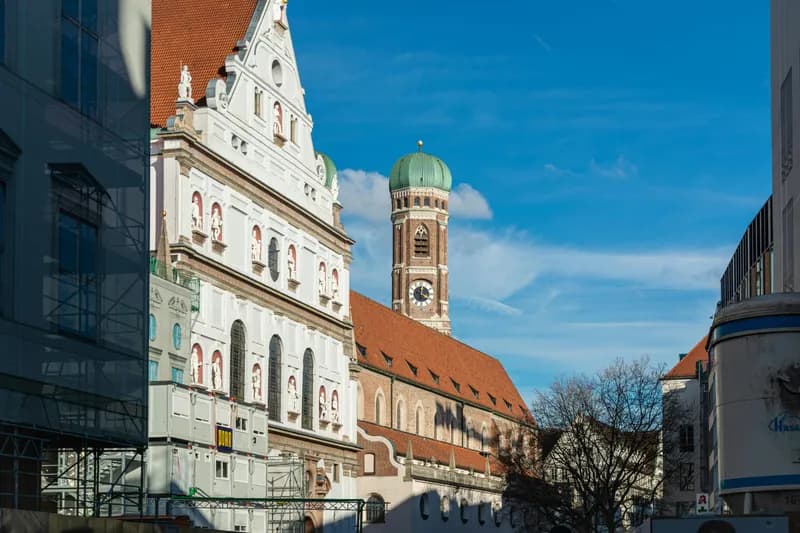
Munich is Bavarian sophistication—beer gardens where thousands gather on sunny afternoons, Gothic cathedrals alongside contemporary art museums, royal palaces, and tree-lined plazas. The city has grace and order; the pace is relaxed compared to Berlin; the culture emphasizes community gathering and outdoor living when possible. The beer is exceptional and cultural; the beer gardens are social institutions, not tourist attractions. The Marienplatz is the historic heart with the New Town Hall's gothic spires defining the skyline. Yet Munich extends beyond this into residential neighborhoods where locals live, into lakes where they swim in summer, into beer gardens scattered throughout the city. The aesthetic is Bavarian—traditional architecture mixed with contemporary culture, emphasis on quality and craftsmanship, appreciation for natural spaces. Munich feels prosperous and thoughtful; it's a city that has made conscious decisions about quality of life.
Best Time to Visit
May through June and September through October offer pleasant weather and beer garden culture at its peak without summer crowds. Summer is warm but busy; winter is cold and grey. The beer festival (Oktoberfest) in September brings massive crowds—avoid it unless specific celebration interests you.
### Neighborhoods and Areas to Know
Altstadt (Old Town) The medieval heart around Marienplatz, Altstadt is where major sights and attractions concentrate. It's touristy but historically important; the architecture is genuinely beautiful. Narrow streets surrounding the platz hide local restaurants and bars.
Maxvorstadt Centered around the university and museums, Maxvorstadt is culturally vibrant with galleries, bookshops, cafés, and a student community. It's bohemian compared to Altstadt; it's where contemporary Munich exists.
Schwabing North of the university, Schwabing is an upscale, bohemian neighborhood. It was a center of intellectual and artistic life; it remains sophisticated with independent shops, galleries, and restaurants.
Haidhausen An eastern neighborhood with local character, markets, and residential feel, Haidhausen is where Müncheners actually live. It's gentrifying but retains neighborhood energy and good restaurants.
English Garden One of Europe's largest urban parks, the English Garden is where locals spend free time. Beer gardens operate within it; trails, open spaces, and lakes invite play and relaxation.
Neuhausen-Nymphenburg West of the center, this neighborhood surrounds Nymphenburg Palace. It's residential, peaceful, with good local restaurants and the palace gardens offering escape.
### Food & Drink
Bavarian cuisine is hearty and carnivorous: Schweinshaxe (roasted pork knuckle), Wurst (sausages), schnitzel, pretzels, and sauerkraut. Beer is central—different styles exist (Munich helles, dunkel, weizen); the beer culture is social and democratic. Café culture is strong; coffee and pastries are morning ritual. Food is reasonable-priced and abundant. Street food includes sausages and pretzels; mid-range restaurants serve traditional Bavarian food; elevated dining presents Bavarian ingredients with contemporary technique.
### Experiences by Traveler Type
Couples - Spend an afternoon in a beer garden, eating pretzels and sharing a beer - Rent bikes and explore along the Isar River and into surrounding areas - Visit a palace (Nymphenburg or Linderhof day trip) for royal history and gardens - Walk the English Garden, finding quiet corners and observing locals at leisure
Solo Travelers - Stay in Maxvorstadt or Haidhausen for neighborhood feel and student energy - Take a bike tour connecting neighborhoods and beer gardens - Join a walking tour focused on Bavarian history or art - Spend time in cafés observing the rhythm of Munich life
Groups - Organize a beer garden crawl through different locations - Rent bikes and explore neighborhoods together - Book a group tour visiting palaces and gardens - Rent a group apartment in a neighborhood as a social base
Families - Visit beer gardens during the day (they're family-friendly in afternoon) - Explore the English Garden with biking, walking, and open space - Visit the zoo or other family-friendly attractions - Take a train to day-trip destinations like the Alps or nearby palaces
Adventure Travelers - Hiking or biking to surrounding Alpine areas and lakes - Rock climbing in surrounding mountain regions - Kayaking or swimming in lakes like Starnberg See - Multi-day hiking or cycling trips through Bavaria
### Getting Around
Munich's public transportation (U-Bahn, S-Bahn, trams, buses) is integrated and efficient. Bikes are essential for locals and accessible to visitors. Walking connects neighborhoods. Taxis are available. Trains connect easily to surrounding regions and the Alps.
### Insider Tips
- 1Beer gardens are democratic spaces, not tourist venues. Go to neighborhood gardens (Augustiner-Bräu, Paulaner) rather than touristy Hofbräuhaus. Sit at communal tables, order a beer, eat a pretzel. Thousands of locals do this; it's authentic.
- 1The English Garden is underrated. It's massive, beautiful, genuinely where Müncheners spend time. Spend a full afternoon there: walk, bike, sit in a beer garden within it, observe the city's leisure culture.
- 1The palaces (Nymphenburg, Marienschloss) are worth visiting. They're substantial, the gardens are beautiful, and they offer perspective on Bavarian royal history. Day trips are easy by train.
- 1Schwabing and Maxvorstadt are where contemporary Munich is. If interested in art, music, or contemporary culture, spend time in these neighborhoods rather than only in Altstadt.
- 1The lakes (Starnberg See, Ammersee) are close and popular with locals. Rent a bike and cycle there, or take a train. Swimming and relaxation are central to Munich summer culture.
### The Velvano Touch
Munich is a city that values quality of life and community gathering. The beer gardens, the biking culture, the emphasis on outdoor time, the neighborhoods where locals actually live—these are what define Munich. We'll craft your days around experiencing this: beer gardens as social institutions, neighborhoods where Müncheners gather, outdoor spaces and activities, and the particular Bavarian approach to living well that makes the city feel balanced and human-scaled.
---
Food & Drink
Bavarian cuisine is hearty and carnivorous: Schweinshaxe (roasted pork knuckle), Wurst (sausages), schnitzel, pretzels, and sauerkraut. Beer is central—different styles exist (Munich helles, dunkel, weizen); the beer culture is social and democratic. Café culture is strong; coffee and pastries are morning ritual. Food is reasonable-priced and abundant. Street food includes sausages and pretzels; mid-range restaurants serve traditional Bavarian food; elevated dining presents Bavarian ingredients with contemporary technique.
Getting Around
Munich's public transportation (U-Bahn, S-Bahn, trams, buses) is integrated and efficient. Bikes are essential for locals and accessible to visitors. Walking connects neighborhoods. Taxis are available. Trains connect easily to surrounding regions and the Alps.
Insider Tips
- 1Beer gardens are democratic spaces, not tourist venues. Go to neighborhood gardens (Augustiner-Bräu, Paulaner) rather than touristy Hofbräuhaus. Sit at communal tables, order a beer, eat a pretzel. Thousands of locals do this; it's authentic.
- 1The English Garden is underrated. It's massive, beautiful, genuinely where Müncheners spend time. Spend a full afternoon there: walk, bike, sit in a beer garden within it, observe the city's leisure culture.
- 1The palaces (Nymphenburg, Marienschloss) are worth visiting. They're substantial, the gardens are beautiful, and they offer perspective on Bavarian royal history. Day trips are easy by train.
- 1Schwabing and Maxvorstadt are where contemporary Munich is. If interested in art, music, or contemporary culture, spend time in these neighborhoods rather than only in Altstadt.
- 1The lakes (Starnberg See, Ammersee) are close and popular with locals. Rent a bike and cycle there, or take a train. Swimming and relaxation are central to Munich summer culture.
### The Velvano Touch
Munich is a city that values quality of life and community gathering. The beer gardens, the biking culture, the emphasis on outdoor time, the neighborhoods where locals actually live—these are what define Munich. We'll craft your days around experiencing this: beer gardens as social institutions, neighborhoods where Müncheners gather, outdoor spaces and activities, and the particular Bavarian approach to living well that makes the city feel balanced and human-scaled.
---