Overview
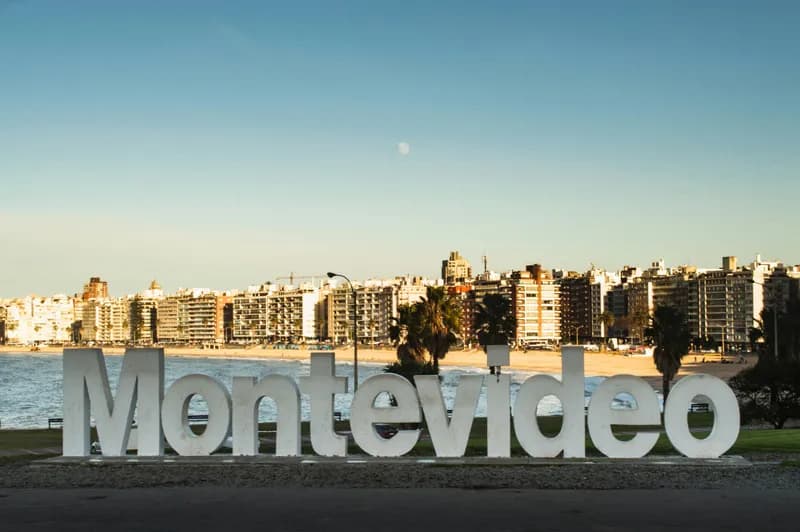
Montevideo feels like Buenos Aires's quieter, more intellectual sibling—less dramatic but more thoughtful, with less weight of historical significance but more sense of current cultural engagement. The city operates at a more humane scale, walkable in ways Buenos Aires isn't, with neighborhoods that feel genuinely lived in rather than performed. The bohemian quarters (Barrio Sur, La Comercial) pulse with street culture and creativity. Literary tradition is taken seriously—Montevideo considers itself a city of writers. Candombe (an Afro-Uruguayan rhythm and dance) runs through the culture more authentically than tango does. The food culture is less obsessed with beef than Argentina's but no less serious about quality. The river position (Río de la Plata) shapes identity and creates a sense of openness. Montevideo is a city that rewards slowness and observation.
Best Time to Visit
Spring (September–November) and fall (March–May) bring ideal weather—mild temperatures and low rainfall. December–February brings summer heat and humidity but also beach time and outdoor cultural events. June–August is cool and sometimes rainy but offers fewer tourists and more local atmosphere. The city's microclimate is gentler than Buenos Aires; weather rarely prevents activity.
Neighborhoods to Know
Barrio Sur: The historic, bohemian neighborhood with colonial buildings, galleries, candombe culture, and a gritty, authentic atmosphere. More genuinely lived than touristy but increasingly discovered.
La Comercial: An arty neighborhood (northeast of the center) with independent shops, galleries, vintage stores, and café culture. More youth-oriented and creative than Barrio Sur.
Centro: The downtown with government buildings, theaters, and commercial activity. Less atmospheric than neighborhoods but historically important and necessary for understanding the city.
Ciudad Vieja (Old City): Colonial buildings, plazas, and historic sites cluster here. Touristy and increasingly gentrified but undeniably atmospheric.
Pocitos and Punta Carretas: Upscale beach neighborhoods with tree-lined streets, shopping, and restaurants. More affluent and less bohemian than other areas but important for understanding contemporary Montevideo.
Food & Drink
Uruguayan cuisine emphasizes asado (grilled meat) like Argentina's, but with less obsessive debate and more openness to other traditions. Empanadas are ubiquitous. Milanesas (breaded, fried cutlets) satisfy simply. Fresh fish from the Río de la Plata appears regularly. Chivito (a massive sandwich with meat, bacon, egg, and vegetables) is iconic if indulgent. Matcha (herbal tea) is shared communally and culturally significant.
Street Level: Street vendors sell chivitos, empanadas, sandwiches, and coffee. Markets offer fresh produce and prepared dishes at economical prices. Corner shops and street vendors provide casual food options throughout the day.
Mid-Range: Parrillas (grills) serve meat in casual settings where focus is on beef quality. Neighborhood restaurants offer traditional Uruguayan cooking in unpretentious surroundings. Cafés serve excellent coffee and are social gathering points where locals linger for hours.
Elevated: Fine dining in Pocitos and Punta Carretas elevates traditional ingredients through technique and presentation. Expect respectful treatment of heritage cuisine, fresh fish preparations, and carefully curated wine lists highlighting Uruguayan producers.
Getting Around
Montevideo is best navigated on foot in neighborhoods, with buses and app-based rides connecting different areas. The city is more walkable than Buenos Aires and less car-centric. Public buses are cheap and comprehensive but can be crowded. Taxis and app-based rides work well and are affordable. The Rambla is walkable for long distances, making scenic transit an option.
Insider Tips
- 1Candombe performances happen on Saturday evenings in Barrio Sur. These aren't tourist performances but genuine cultural tradition—sit, watch, and feel the rhythm that moves through the neighborhood.
- 1Matcha (herbal tea) is shared communally and culturally significant. Learning the ritual of sharing matcha connects you to local culture and creates natural social bonding.
- 1The Rambla is worth multiple walks at different times of day. Early morning offers solitude and light; evening brings sunset and families out walking.
- 1Literary tradition is genuinely important here. Knowing something about writers like Quoiroga or Benedetti adds context to understanding the culture's intellectual seriousness.
- 1Barrio Sur is more authentically lived than Ciudad Vieja, which is increasingly touristy. Both offer atmosphere, but one feels more genuine to how the city actually functions.
### The Velvano Touch
Montevideo doesn't shout for attention the way Buenos Aires does, but it rewards those willing to slow down and observe. We craft itineraries that move across neighborhoods, emphasize café culture and walking, and connect you to the literary traditions and candombe rhythms that give Montevideo its particular character.
---