Overview
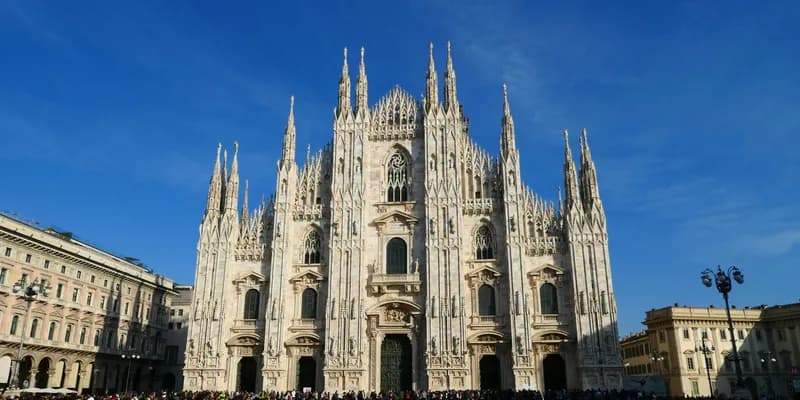
Milan is Italy's forward-facing city: fashion capital, design center, contemporary art hub. Yet it's not aggressively modern—the Gothic cathedral is extraordinary; Renaissance churches and art exist alongside cutting-edge fashion houses; the energy is sophisticated without being pretentious. The city moves quickly compared to Rome or Florence; it feels like a place where things happen, where culture is created rather than preserved. The neighborhoods are distinct—from the fashion-forward areas around Via Montenapoleone, to the bohemian Navigli district with its canals and nightlife, to residential neighborhoods where locals actually live. The design aesthetic is evident everywhere—in shop windows, architecture, public spaces, the way Italians move through the city. Milan isn't immediately charming; it rewards engagement and reveals itself gradually to those willing to move beyond the obvious sights.
Best Time to Visit
April through May and September through October offer pleasant weather without extreme heat or cold. Spring brings renewal; fall is contemplative. Summer is hot and many locals leave; winter is cold and often grey but brings authenticity.
### Neighborhoods and Areas to Know
Centro (Center) The area around the cathedral (Duomo) and Piazza del Duomo is the central focal point. It's touristy but genuinely important; it's also expensive and crowded.
Brera A bohemian neighborhood with art galleries, independent shops, restaurants, and bars, Brera is artistically vibrant. It's gentrifying but retains creative edge. Pinacoteca di Brera (art museum) is excellent.
Navigli The canal district south of the center, Navigli is where young Milanesi gather. It's lively, trendy, with bars, restaurants, and nightlife. It's hip and commercial simultaneously.
Via Montenapoleone / Fashion District Milan's most prestigious shopping area, this region is home to major fashion houses and designer boutiques. It's expensive, exclusive, and entirely focused on consumption—but it's where Milan's fashion identity concentrates.
Porta Nuova A modern, upscale neighborhood with contemporary architecture, shops, and restaurants. It feels like what Milan might have looked like if completely rebuilt today.
Isola A bohemian neighborhood becoming increasingly trendy, Isola has galleries, independent shops, cafés, and a creative energy. It's changing rapidly but still retains authenticity.
Lambrate An industrial neighborhood being transformed into a creative hub, Lambrate has galleries, artist studios, and experimental venues. It's where contemporary art and design are actually created, not just sold.
### Food & Drink
Milanese cuisine is sophisticated but not complicated: risotto alla milanese (saffron risotto), cotoletta (breaded veal), osso buco (braised veal shanks), panettone (Christmas bread). Quality ingredients are paramount; preparation is refined. Coffee culture is strong; espresso and cappuccino are morning rituals. Wine is important. Dining is social but also business-focused. Street food is limited compared to other Italian cities; mid-range restaurants serve Milanese specialties; elevated dining is world-renowned for technique and ingredient focus.
### Experiences by Traveler Type
Couples - Visit the cathedral at sunrise or sunset when light is exceptional - Share long meals at neighborhood restaurants in Brera or Navigli - Window shop along Via Montenapoleone, understanding fashion culture - Take a canal walk in Navigli, finding a quiet spot for the evening
Solo Travelers - Stay in Brera or Isola for neighborhood feel and social opportunity - Take a walking tour focused on art or design - Spend time in galleries and museums understanding contemporary art - Join a food tour discovering Milanese specialties and neighborhood restaurants
Groups - Book a group fashion or design tour of the city - Organize a progressive dinner through different neighborhoods - Take a bike tour connecting neighborhoods and parks - Rent a group apartment in Navigli as a social base
Families - Visit the cathedral and climb to the roof for views - Explore Navigli canal district with walks and park time - Visit the science museum or other family-friendly attractions - Take a tram ride as a way to see different neighborhoods
Adventure Travelers - Cycling routes through Milan and to surrounding regions - Rock climbing opportunities in surrounding mountains - Multi-day hiking trips to Lake Como or other nearby areas - Kayaking on the canals or surrounding water areas
### Getting Around
Milan's public transportation (metro, trams, buses) is efficient and integrated. Taxis are available and reasonable. Walking connects some neighborhoods but distances grow. Bikes work for some routes. Trains connect easily to surrounding towns and regions.
### Insider Tips
- 1Skip or minimize major attractions if you're not interested. The cathedral is impressive but only if you care about Gothic architecture. Focus on what draws you—whether that's fashion, contemporary art, or neighborhoods.
- 1Brera is worth extended time. The neighborhood has galleries, shops, and cafés that reveal Milan's cultural side. Spend an afternoon wandering without agenda.
- 1Fashion is pervasive but doesn't require engagement. You can ignore the fashion culture entirely if it doesn't interest you; Milan offers other experiences. But if interested, the concentration of design and fashion here is world-class.
- 1Navigli changes dramatically at different times. Daytime it's quiet and pleasant; evening it becomes crowded and bar-focused. Seek your preferred pace.
- 1Contemporary art scene is excellent but requires seeking out. Galleries operate throughout the city; they're sometimes in unexpected locations. Research what interests you.
### The Velvano Touch
Milan rewards those interested in contemporary culture—whether that's fashion, design, art, or simply the energy of a city constantly creating. We'll craft your days around what draws you: the neighborhoods, the galleries, the design perspectives, or the food culture. Milan is best understood not as a single destination but as a series of distinct experiences that collectively offer perspective on contemporary Italy and European culture.
---
Food & Drink
Milanese cuisine is sophisticated but not complicated: risotto alla milanese (saffron risotto), cotoletta (breaded veal), osso buco (braised veal shanks), panettone (Christmas bread). Quality ingredients are paramount; preparation is refined. Coffee culture is strong; espresso and cappuccino are morning rituals. Wine is important. Dining is social but also business-focused. Street food is limited compared to other Italian cities; mid-range restaurants serve Milanese specialties; elevated dining is world-renowned for technique and ingredient focus.
Getting Around
Milan's public transportation (metro, trams, buses) is efficient and integrated. Taxis are available and reasonable. Walking connects some neighborhoods but distances grow. Bikes work for some routes. Trains connect easily to surrounding towns and regions.
Insider Tips
- 1Skip or minimize major attractions if you're not interested. The cathedral is impressive but only if you care about Gothic architecture. Focus on what draws you—whether that's fashion, contemporary art, or neighborhoods.
- 1Brera is worth extended time. The neighborhood has galleries, shops, and cafés that reveal Milan's cultural side. Spend an afternoon wandering without agenda.
- 1Fashion is pervasive but doesn't require engagement. You can ignore the fashion culture entirely if it doesn't interest you; Milan offers other experiences. But if interested, the concentration of design and fashion here is world-class.
- 1Navigli changes dramatically at different times. Daytime it's quiet and pleasant; evening it becomes crowded and bar-focused. Seek your preferred pace.
- 1Contemporary art scene is excellent but requires seeking out. Galleries operate throughout the city; they're sometimes in unexpected locations. Research what interests you.
### The Velvano Touch
Milan rewards those interested in contemporary culture—whether that's fashion, design, art, or simply the energy of a city constantly creating. We'll craft your days around what draws you: the neighborhoods, the galleries, the design perspectives, or the food culture. Milan is best understood not as a single destination but as a series of distinct experiences that collectively offer perspective on contemporary Italy and European culture.
---