Overview
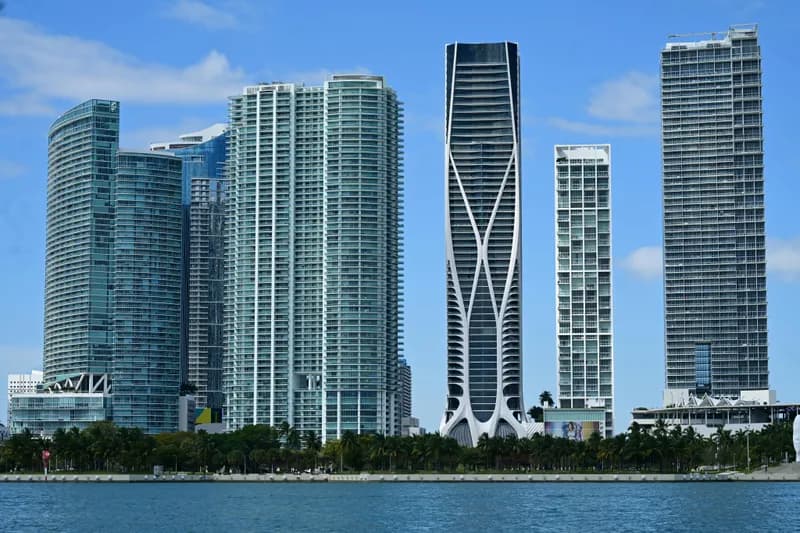
Miami is a city built on contradictions—it's simultaneously a Caribbean outpost in North America, a resort destination with genuine local culture, an art capital with working artists scattered throughout. The art deco buildings of South Beach anchor the city's identity, but the real Miami lives in neighborhoods like Wynwood (with its street art and bohemian energy), Little Havana (with its Cuban culture, dominoes, and coffee), and increasingly gentrified but still vital Buena Vista. The city operates on Caribbean time and culture while maintaining American infrastructure. The beaches are consistently warm, the food is infused with Cuban and Caribbean traditions, and the art scene is taken seriously by major galleries and collectors. Miami rewards those willing to venture beyond the beach to discover neighborhoods, street culture, and the complicated multicultural identity that actually defines the place.
Best Time to Visit
November–April brings ideal weather—warm, sunny, with lower humidity. May–October is hot, humid, and hurricane season (though direct hits are rare), but prices drop and the city feels more local. December–January brings holiday crowds. June–August is the quietest and cheapest, though weather is unpleasant. Booking accommodations in advance is essential during high season.
Neighborhoods to Know
South Beach: The famous beach neighborhood with art deco hotels, restaurants, and nightlife. Touristy and expensive but undeniably iconic and worth seeing.
Wynwood: An artistic neighborhood north of downtown with street murals, galleries, independent shops, and younger creative professionals. Increasingly gentrified but still genuinely alternative and vibrant.
Little Havana: The historic Cuban neighborhood with restaurants, cafés, dominoes games in parks, and authentic Caribbean culture. Less polished than other neighborhoods but far more culturally revealing.
Design District: An upscale area with flagship stores, high-end restaurants, and contemporary art galleries. Polished but less atmospheric than Wynwood.
Coral Gables: A planned, upscale residential neighborhood with Mediterranean Revival architecture, tree-lined streets, and elegant homes. Less touristy but requiring a car or transit to access meaningfully.
Food & Drink
Miami's food culture is fundamentally Cuban and Caribbean, overlaid with contemporary American fine dining. Ropa Vieja (shredded beef) is ubiquitous and comforting. Picadillo (ground beef with olives) appears regularly. Fresh seafood—ceviche, grilled fish, stone crab claws—reflects the coastal position. Plantains in all forms (fried, mashed, boiled) are dietary staple. Cuban coffee is thick, sweet, and essential. Conch (when in season) appears in salads and fritters.
Street Level: Cuban cafés and colmaditas (corner shops) sell Cuban sandwiches (pressed ham, cheese, pork sandwich), croquetas (croquettes), empanadas, and strong cafecito (small Cuban coffee). Little Havana vendors sell fruta bomba (papaya) with lime, fresh juices, and prepared Cuban dishes.
Mid-Range: Cuban restaurants throughout the city serve traditional cooking at casual settings. Wynwood's increasingly refined restaurants serve elevated takes on Cuban ingredients. Beachside casual restaurants offer fresh seafood and cocktails. The café culture is strong across neighborhoods.
Elevated: Fine dining in South Beach, Design District, and emerging restaurants in Wynwood elevates Florida ingredients and global influences into refined cuisine. Expect technical precision, fresh seafood, and service standards matching any major city.
Getting Around
Miami is sprawling and car-dependent; public transit exists but is limited. Rental car or app-based rides are necessary for meaningful exploration across neighborhoods. South Beach is walkable. Wynwood and Little Havana are walkable within themselves but separated from other areas. Taxis work but app-based rides are more reliable. Avoid walking alone after dark outside main tourist areas.
Insider Tips
- 1Wynwood is worth multiple visits. The street art is continuously evolving, galleries change exhibitions regularly, and the neighborhood vibe shifts between morning, afternoon, and evening.
- 1Little Havana is genuinely Cuban culture, not a tourist attraction. Sit in the parks, observe the dominoes games, drink Cuban coffee from a colmadita, and eat where locals eat.
- 1Art deco architecture tours contextualize the buildings and their history. Walking by buildings without understanding their historical significance misses the story.
- 1Skip South Beach crowding by finding quieter beach stretches. Key Biscayne and other nearby areas offer better water and less touristy atmosphere.
- 1Cuban restaurants in Little Havana offer better food and atmosphere than tourist-oriented South Beach establishments. Eat where the culture originates, not where it's performed.
### The Velvano Touch
Miami is often seen as shallow and artificial, but the city's multicultural identity—its Cuban heart, its artistic energy, its Caribbean soul—reveals depth to those willing to venture beyond South Beach. We craft itineraries that honor the iconic beaches while uncovering Wynwood's creative energy, Little Havana's authentic culture, and the neighborhoods where the city's true character emerges.
---