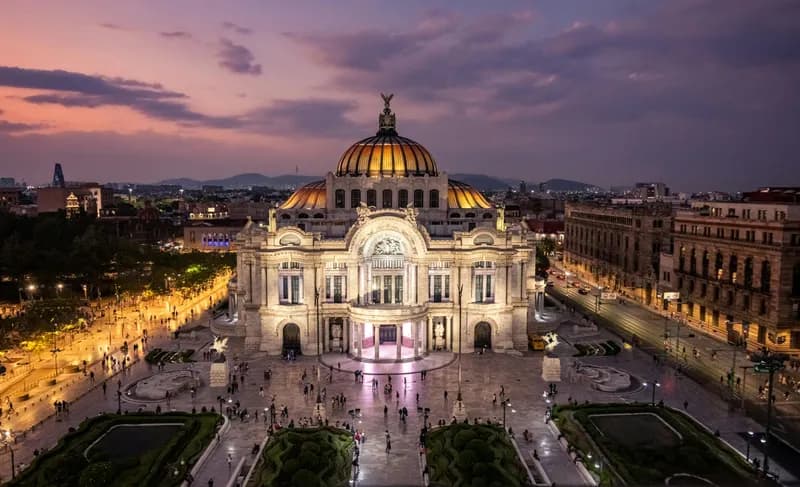
Overview
Mexico City operates at a scale that challenges comprehension. The metropolitan area encompasses over 20 million people, yet manages to feel intimate in its neighborhoods, monumental in its museums, and vibrant in its cultural energy. Sitting at 7,350 feet in a mountain valley, the city's neighborhoods feel like small villages stacked vertically. Pre-Columbian history (the Aztec city of Tenochtitlan) sits beneath Spanish colonial architecture, which coexists with contemporary art installations and bohemian cafés. The food culture is complex and deeply traditional, while remaining innovative. Museums rival those of any world capital. The street art, the murals, and the public culture reflect a city genuinely engaged with its past and its present. Mexico City rewards patient, curious exploration.
Best Time to Visit
October–May brings ideal weather—warm days, cool nights, minimal rain. June–September is rainy season, though showers are often brief. December–January brings peak tourist crowds and high prices. The city's altitude (7,350 feet) means temperature swings between sun and shade, so layering is essential regardless of season. Cultural calendar peaks in spring and fall.
Neighborhoods to Know
Roma and Condesa: Upscale, bohemian neighborhoods with galleries, cafés, boutique shopping, and nightlife. Gentrifying but still authentically creative, with tree-lined streets and plazas that invite lingering.
Coyoacán: A slightly older bohemian neighborhood (south of the city center) with colonial charm, markets, museums (Frida Kahlo's House), and a village-like atmosphere despite urban surroundings.
Centro Histórico: The historic heart with the Zócalo (main plaza), the cathedral, the National Palace with Diego Rivera murals, and colonial architecture. Crowded and touristy but undeniably significant.
San Ángel: An upscale, artsy neighborhood south of the city with galleries, plazas, and a more polished, less bohemian vibe than Roma or Condesa.
Oaxaca neighborhoods: As you move into the southern city limits, you encounter Mexican neighborhoods (often called Barrio Chino or other local designations) with authentic markets, street food, and less tourism.
Food & Drink
Mexico City's food culture is foundational to Mexican cuisine itself. Mole (complex sauce with dozens of ingredients) appears in countless variations. Tamales (corn husks steamed with filling) are breakfast staple. Tlayudas (large, thin tortillas) are Oaxacan and excellent. Sopes (small thick tortillas with toppings) are street food perfection. Fresh chilies of incredible variety—poblanos, jalapeños, habaneros, chiles de árbol. Pulque (fermented agave drink) connects to pre-Columbian tradition.
Street Level: Street vendors sell tlacoyos (filled potato cakes), tacos al pastor, quesadillas, tamales, elotes (grilled corn with mayo and cheese). Markets overflow with produce, prepared dishes, and fresh juices. Food stalls in Oaxaca neighborhoods offer authentic regional cooking.
Mid-Range: Neighborhood markets and casual restaurants serve traditional Mexican cooking with care. Street-level taco shops range from simple counters to sit-down establishments. Cafés serve excellent coffee and pastries. Pulquerías (bars serving pulque) offer authentic atmosphere and local clientele.
Elevated: Fine dining in Roma, Condesa, and San Ángel elevates Mexican ingredients and techniques into refined presentations. Expect respect for tradition combined with contemporary technique, seasonal menus, and thoughtful sourcing.
Getting Around
Mexico City's Metro (subway) is extensive, efficient, and crowded during rush hours. Walking is often faster than public transit for neighborhood exploration. Taxis and app-based rides work well but require caution and knowledge of approximate distances. Neighborhoods are somewhat spread out but individually walkable. Avoid walking alone after dark outside main areas.
Insider Tips
- 1The National Museum of Anthropology is among the world's best museums. The pre-Columbian sections are extraordinary, but the museum is large enough to require time and focus.
- 1Coyoacán's markets are worth visiting multiple times. The neighborhood also has less touristy restaurants and a more village-like atmosphere than Roma or Condesa.
- 1Street food is genuinely exceptional and safe. Stick to busy vendors with high turnover, and you'll eat better food than in restaurants, at fraction of the cost.
- 1The Zócalo and Centro Histórico are most pleasant early morning or just before sunset. Daytime crowds can be overwhelming; early hours offer atmosphere without the press of people.
- 1Xochimilco is accessible as a day trip and offers genuine cultural experience despite tourism. Go early to find quieter canals away from the tourist boat clusters.
### The Velvano Touch
Mexico City's scale and cultural depth can overwhelm, but the city rewards travelers willing to slow down, explore neighborhoods repeatedly, and engage with its food culture, art scene, and history. We craft itineraries that balance the iconic sites (the Zócalo, the anthropology museum) with neighborhood exploration, street food discovery, and time in the plazas where the city's actual social life unfolds.
---