Overview
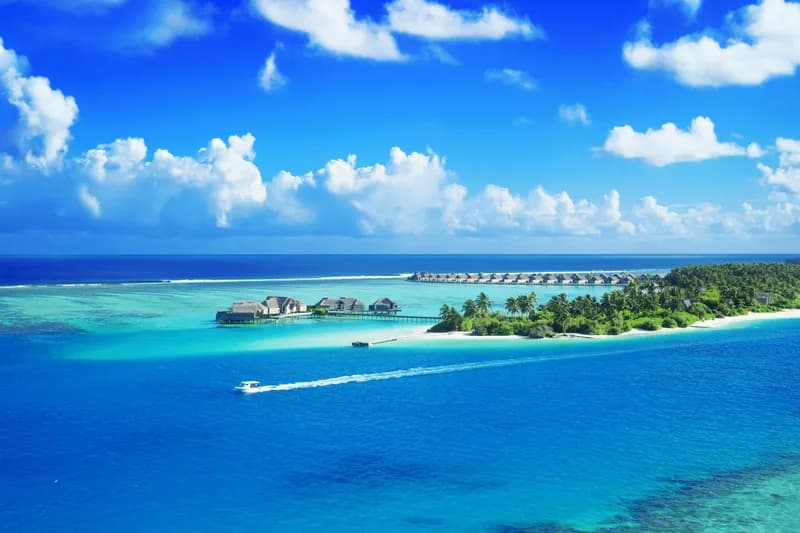
The Maldives is a superlative destination—the world's lowest-lying nation, where islands sit barely above sea level and the ocean dominates every perspective. The archipelago consists of thousands of coral islands grouped into atolls; only about two hundred are inhabited. The water is impossibly clear and warm; visibility underwater is measured in tens of meters. Coral gardens surround the islands; tropical fish seem to exist in unreasonable densities. Resorts cluster on their own islands, offering both isolation and infrastructure. The Maldives is expensive compared to regional neighbors, but it offers what those places cannot: unmatched diving and snorkeling, genuine ocean wilderness, and the particular luxury of islands where nothing but ocean stretches to the horizon. Time here moves slowly; days blur together in ways that feel restorative rather than repetitive.
Best Time to Visit
November to March brings dry weather, calm seas, and optimal diving conditions—this is peak season with the highest prices. April to October is the monsoon season, but diving remains good; September to October can be exceptional (fewer tourists, stable conditions). Prices drop significantly in off-season. Water temperature is warm year-round (above 25°C/77°F); pack light clothes and reef-safe sunscreen.
### Island Types to Know
Resort Islands: Private islands where resorts operate all-inclusive properties. These are where most tourists stay; the experience is isolation, luxury, and tailored service. Hundreds exist, each with its own character (family-friendly, adventure-focused, romantic, eco-minded).
Local Islands (Inhabited Atolls): Islands where Maldivian families live, islands accessible to tourists. The experience is more authentic, cheaper, less polished. You'll eat local food, interact with communities, and see the Maldives beyond tourism. Islands like Maafushi and Ukulhas are popular with budget travelers.
Diving Resorts: Specialized properties focused on diving, with boats and dive instructors integrated into the experience. These cluster in specific atolls known for diving (Ari Atoll, Vaavu Atoll, Baa Atoll).
Live-Aboard Boats: Liveaboard diving vessels that cruise the atolls, diving at different sites daily. This is premium diving, moving you to the best sites without commuting from land.
### Food & Drink
Maldivian cuisine centers on fish and coconut, with rice as a staple. Curries (mas huni—tuna salad, garudhiya—fish soup) are foundational. Resorts serve international food alongside local options; local islands have more authentic Maldivian cuisine.
Local Dining: Garudhiya (fish soup), mas huni (tuna salad with coconut), grilled fish, rice dishes, and coconut-based curries. Local islands have cheap guesthouses and restaurants; meals cost a fraction of resort prices.
Resort Dining: All-inclusive resorts typically offer buffets with international and local food. Dining options vary by resort; some are exceptional, others standard. Premium resorts offer à la carte restaurants.
Beach Dining: Tropical fruits (mangoes, papayas, coconuts), fresh fish prepared simply, and refreshing beverages are quintessential Maldives experiences.
### Experiences by Traveler Type
Couples: - Sunrise dolphin watching by speedboat, gliding through quiet waters as light breaks - Private island picnic arranged by resort or guide, anchoring on a sandbar with snorkeling, lunch, and sunset - Couples diving course (Open Water certification), exploring reefs together and witnessing fish and coral gardens - Sunset cocktails on the beach or overwater deck at your resort, watching the sky transform
Solo: - Join group diving trips; you'll meet other divers and guides, explore reefs together, and have professional safety - Stay on a local island (Maafushi, Ukulhas) instead of a private resort; you'll meet other travelers and locals, eat cheap meals, and have flexibility - Day trips to neighboring islands by local ferry; you'll see other communities and get away from your primary island - Solo snorkeling (if you're confident) right off your beach; the reef often starts meters from shore
Groups: - Full-week liveaboard diving cruise, diving multiple sites daily with a full crew and other diving enthusiasts - Resort-based group: large villas or multiple bungalows on a resort, coordinating diving, snorkeling, and meals - Island-hopping by local ferry: stay on different local islands, experiencing variety and community - Group water sports: diving, snorkeling, windsurfing, and paddleboarding all available at most locations
Family: - Resort islands with family bungalows, pools, and activities; many resorts cater specifically to families with kids' clubs - Snorkeling right off the beach is safe for kids who can swim; fish and coral are visible in meters of water - Calm lagoon areas are safe for children; islands have varying lagoon conditions (some are lagoons, others are open ocean)
Adventure: - Liveaboard diving trips; multiple dives daily at different sites, exploring pinnacles and channels - Surfing trips to islands with reef breaks; several resorts and local islands cater to surfers (Ari Atoll, Dhidhoofinolhu) - Shark diving (specifically reef shark encounters); the Maldives has predictable shark sightings
### Getting Around
Flying is the primary method; seaplanes (scenic and frequent) or speedboats (cheaper) transport you from the main island (Male) to resorts or local islands. Within islands, walking is primary; some islands have golf carts or small vehicles. Resort islands have their own transport. Local ferries connect inhabited islands. Diving boats are provided by resorts or dive operators.
### Insider Tips
- 1All-inclusive resorts disconnect you from local culture. If you want Maldivian experience, stay on a local island for at least part of your time; prices are a fraction of resorts, and interaction is genuine.
- 1Snorkeling from the beach is often better than boat snorkeling. Many resorts have house reefs; stepping in ten meters from your bungalow offers fish and coral without boat rides.
- 1The best diving season is November-March; off-season (May-October) is cheaper but more variable. Some sites are better in monsoon; dive guides can direct you.
- 1Overwater villas are luxurious but unnecessary for the Maldives experience. Beach bungalows are cheaper and allow easier beach and reef access.
- 1Bring reef-safe sunscreen. Sunscreen damages coral; reefs in the Maldives are sensitive and worth protecting.
---
Food & Drink
Maldivian cuisine centers on fish and coconut, with rice as a staple. Curries (mas huni—tuna salad, garudhiya—fish soup) are foundational. Resorts serve international food alongside local options; local islands have more authentic Maldivian cuisine.
Local Dining: Garudhiya (fish soup), mas huni (tuna salad with coconut), grilled fish, rice dishes, and coconut-based curries. Local islands have cheap guesthouses and restaurants; meals cost a fraction of resort prices.
Resort Dining: All-inclusive resorts typically offer buffets with international and local food. Dining options vary by resort; some are exceptional, others standard. Premium resorts offer à la carte restaurants.
Beach Dining: Tropical fruits (mangoes, papayas, coconuts), fresh fish prepared simply, and refreshing beverages are quintessential Maldives experiences.
Experiences by Traveler Type
Every traveler is different. Explore what Maldives has to offer based on how you like to travel.
Experiences by Traveler Type
- Sunrise dolphin watching by speedboat, gliding through quiet waters as light breaks
- Private island picnic arranged by resort or guide, anchoring on a sandbar with snorkeling, lunch, and sunset
- Couples diving course (Open Water certification), exploring reefs together and witnessing fish and coral gardens
- Sunset cocktails on the beach or overwater deck at your resort, watching the sky transform
Getting Around
Flying is the primary method; seaplanes (scenic and frequent) or speedboats (cheaper) transport you from the main island (Male) to resorts or local islands. Within islands, walking is primary; some islands have golf carts or small vehicles. Resort islands have their own transport. Local ferries connect inhabited islands. Diving boats are provided by resorts or dive operators.
Insider Tips
- 1All-inclusive resorts disconnect you from local culture. If you want Maldivian experience, stay on a local island for at least part of your time; prices are a fraction of resorts, and interaction is genuine.
- 1Snorkeling from the beach is often better than boat snorkeling. Many resorts have house reefs; stepping in ten meters from your bungalow offers fish and coral without boat rides.
- 1The best diving season is November-March; off-season (May-October) is cheaper but more variable. Some sites are better in monsoon; dive guides can direct you.
- 1Overwater villas are luxurious but unnecessary for the Maldives experience. Beach bungalows are cheaper and allow easier beach and reef access.
- 1Bring reef-safe sunscreen. Sunscreen damages coral; reefs in the Maldives are sensitive and worth protecting.
---