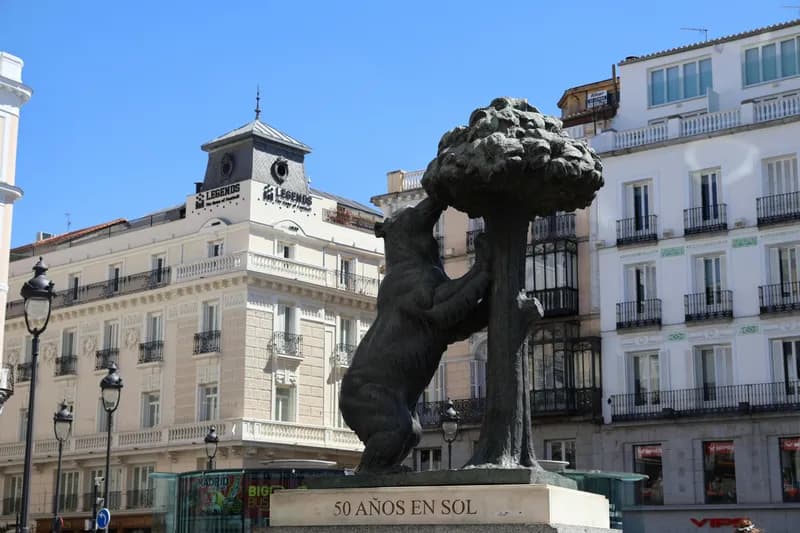
Overview
Madrid is a city of tremendous cultural energy and world-class art, yet it remains refreshingly livable and human-scaled. The Prado, Reina Sofía, and Thyssen museums form a world-renowned art triangle; the city's cafés and plazas are gathering spaces where locals actually congregate. The energy is youthful and progressive; the pace is social rather than rushed. Neighborhoods have distinct character—from bohemian Malasaña with its vintage shops and street art, to aristocratic Salamanca with its designer boutiques, to student-filled areas around the university. The food culture is excellent and accessible; the tapas tradition means moving between bars and sampling various dishes. Madrid feels like a capital with purpose beyond tourism—a city where Madrileños live and work alongside visitors exploring art and neighborhoods. The light on the city's ochre-colored buildings is warm; the plazas are inviting; the pace allows for genuine engagement.
Best Time to Visit
May through June and September through October offer warm weather without summer intensity. Spring brings renewal energy; fall is contemplative. Summer is hot and many locals leave; winter is cool but clear and less crowded.
### Neighborhoods and Areas to Know
Centro (Center) The commercial and cultural heart around Plaza Mayor and Puerta del Sol, Centro is where major museums and sights concentrate. It's touristy but genuinely important; the energy is busy and international.
Sol-Gran Vía The main shopping area with high-street brands and department stores, Sol-Gran Vía is commercial and touristy. It's worth walking through but not lingering in for authentic Madrid experience.
Malasaña A bohemian neighborhood with street art, vintage shops, independent galleries, and cafés, Malasaña is creative and young. It's gentrifying but retains an artistic edge. This is where contemporary Madrid's creative culture lives.
Chueca A historic LGBTQ+ neighborhood now gentrified with upscale restaurants, boutiques, and design-forward spaces. It's vibrant and social; a good place to experience Madrid's contemporary culture and nightlife.
Salamanca An upscale, tree-lined neighborhood with designer boutiques, expensive restaurants, and an affluent demographic. It's elegant and beautiful but lacks the edge of Malasaña or Chueca.
Lavapés A neighborhood with immigrant communities (particularly Indian, Moroccan, Chinese), Lavapés is diverse and authentic. The food is exceptional; it's less touristy than central areas but increasingly gentrifying.
Retiro A neighborhood centered around Retiro Park, it's where locals spend leisure time. The park is magnificent; the surrounding neighborhood is pleasant and walkable.
### Food & Drink
Spanish and Madrid cuisine emphasizes simple ingredients and communal eating. Tapas are central—moving between bars, sampling small plates, drinking wine or beer is the social norm. Croquetas, patatas bravas, jamón ibérico, cured meats, and cheese are standard. Cocido madrileño (a chickpea and meat stew) is comfort food. The café culture is strong; afternoon café con leche and pastries are ritual. Street food includes bocadillos (sandwiches) and jamón from special carts; mid-range restaurants serve Spanish and regional cuisines; elevated dining is world-renowned.
### Experiences by Traveler Type
Couples - Spend an evening tapas hopping through a neighborhood, sharing dishes and wine - Visit major museums (Prado especially) with focus on specific artists or periods - Walk Retiro Park at sunset, finding quiet corners to sit - Attend a flamenco show or live music in a neighborhood venue
Solo Travelers - Stay in Malasaña or Chueca where there's neighborhood community and other travelers - Take a walking tour focused on art or neighborhood-specific history - Join a tapas crawl with other travelers, making connections - Spend time in museums, which reward sustained attention and solitude
Groups - Organize a neighborhood tapas crawl with multiple stops and wine tastings - Book a group cooking class learning Spanish cuisine - Rent a group apartment in Malasaña as a social base - Take a museum tour, then explore independently
Families - Visit Retiro Park for open space and engagement - Explore major museums at child pace, focusing on engaging sections - Visit markets (Mercado de Abastos, for example) for color and activity - Take a short train ride to nearby towns like Segovia (UNESCO World Heritage city)
Adventure Travelers - Cycling routes through Madrid and to surrounding areas - Hiking in surrounding mountain ranges (Sierra de Guadarrama) - Rock climbing opportunities in surrounding regions - Multi-day cycling or hiking tours to other Spanish regions
### Getting Around
Madrid's metro is the most practical transport—efficient, extensive, and cheap. Buses are good for specific routes. Taxis are reasonable. Walking connects central neighborhoods. Bikes work for some routes. Trains connect to surrounding towns and regions easily.
### Insider Tips
- 1The Prado is massive; don't try to see everything. Research what interests you and focus on those galleries. The collection is overwhelming; focus creates better experiences than rushing through.
- 1Malasaña is worth extensive time. The neighborhood has independent shops, galleries, cafés, and bars that reveal Madrid's contemporary culture. Spend a full day wandering without agenda.
- 1Tapas hopping is cultural, not touristy. Gather a group or join other travelers and move between bars, ordering small plates. This is how Madrileños actually eat and socialize.
- 1The afternoon break (siesta/merienda) is real. Many shops close 2-5 PM; the city slows down. Rather than fighting it, embrace it—get coffee, sit, observe the rhythm.
- 1Flamenco shows range from tourist spectacle to genuine art. Seek out smaller venues and neighborhood shows where actual artists perform to mixed audiences rather than tour groups.
### The Velvano Touch
Madrid is a city where culture (art museums) exists alongside neighborhood life (tapas, plazas, gathering spaces) without either overshadowing the other. We'll craft your days around balance: experiencing the world-class art if that draws you, but primarily exploring neighborhoods, moving through the tapas culture, and understanding how Madrileños actually live. The goal is arriving at Madrid not as a series of sights but as a living city with vibrant contemporary culture.
---
Food & Drink
Spanish and Madrid cuisine emphasizes simple ingredients and communal eating. Tapas are central—moving between bars, sampling small plates, drinking wine or beer is the social norm. Croquetas, patatas bravas, jamón ibérico, cured meats, and cheese are standard. Cocido madrileño (a chickpea and meat stew) is comfort food. The café culture is strong; afternoon café con leche and pastries are ritual. Street food includes bocadillos (sandwiches) and jamón from special carts; mid-range restaurants serve Spanish and regional cuisines; elevated dining is world-renowned.
Getting Around
Madrid's metro is the most practical transport—efficient, extensive, and cheap. Buses are good for specific routes. Taxis are reasonable. Walking connects central neighborhoods. Bikes work for some routes. Trains connect to surrounding towns and regions easily.
Insider Tips
- 1The Prado is massive; don't try to see everything. Research what interests you and focus on those galleries. The collection is overwhelming; focus creates better experiences than rushing through.
- 1Malasaña is worth extensive time. The neighborhood has independent shops, galleries, cafés, and bars that reveal Madrid's contemporary culture. Spend a full day wandering without agenda.
- 1Tapas hopping is cultural, not touristy. Gather a group or join other travelers and move between bars, ordering small plates. This is how Madrileños actually eat and socialize.
- 1The afternoon break (siesta/merienda) is real. Many shops close 2-5 PM; the city slows down. Rather than fighting it, embrace it—get coffee, sit, observe the rhythm.
- 1Flamenco shows range from tourist spectacle to genuine art. Seek out smaller venues and neighborhood shows where actual artists perform to mixed audiences rather than tour groups.
### The Velvano Touch
Madrid is a city where culture (art museums) exists alongside neighborhood life (tapas, plazas, gathering spaces) without either overshadowing the other. We'll craft your days around balance: experiencing the world-class art if that draws you, but primarily exploring neighborhoods, moving through the tapas culture, and understanding how Madrileños actually live. The goal is arriving at Madrid not as a series of sights but as a living city with vibrant contemporary culture.
---