Overview
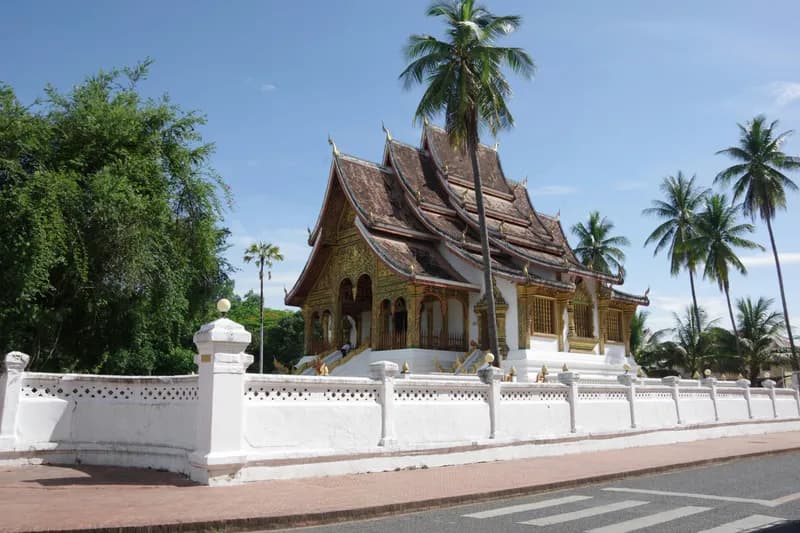
Luang Prabang is where Southeast Asia feels most otherworldly—a city preserved in amber, where French colonial architecture lines streets occupied by robed monks, where the Mekong River flows past temples and villages, where time moves differently than anywhere else in the region. The city is small, walkable, and intimate; there are no high-rises, no industrial zones, just layers of architecture and culture. Every morning, monks in saffron robes walk through the streets for alms-giving (tak bat), a ritual unchanged for centuries. The food is lighter than Thailand's, less spicy, more herbaceous. The people have a gentleness unusual in Southeast Asia. Luang Prabang is the kind of place where your three-day visit extends into two weeks; you arrive thinking you'll move on and find yourself rooted.
Best Time to Visit
October to November brings dry weather, comfortable temperatures, and the most reliable skies—ideal for visiting. December to February is cool and dry; this is peak season with crowds and higher prices. March to May is hot but shoulder season with fewer tourists. June to September is the rainy season, bringing afternoon downpours and vivid landscapes; many activities continue as mornings are usually clear. November and February offer the best balance of good weather and manageable crowds.
Neighborhoods to Know
Old Town (Along the Mekong): The historic heart, where temples cluster densely and French colonial buildings line narrow streets. This is where most tourists stay and visit; it's beautiful and walkable. Early mornings reveal the true character; afternoons are crowded with day-trippers.
Around Wat Xieng Thong: The city's most iconic temple, and the neighborhood around it is worth extended exploration. Streets here are quieter and more residential than the main tourist zone.
Ban That: The neighborhood stretching uphill from the Mekong, less touristy, with temples, markets, and local life continuing unbothered.
Across the Mekong: The eastern bank is quieter and less developed; hiking here reveals temples, villages, and the river landscape.
Surrounding Villages: Small towns and villages within an hour of Luang Prabang are accessible by short drives or walks; they show rural Laos and temple life beyond tourism.
Food & Drink
Lao cuisine is delicate and herb-forward—lighter and less spicy than Thai food, though complex in flavor. Sticky rice (khao) is the foundation; curries and stir-fries accompany it. Fish is central; river fish prepared simply are exceptional.
Street Food & Stalls: Khao jee (Lao sandwiches), sticky rice with grilled fish or chicken, larb (minced meat salad, less spicy than Thai versions), papaya salad, and grilled items on sticks. Street vendors cluster near the morning market and along the Mekong; they're cheap and delicious.
Mid-Range Dining: Small family restaurants serving Lao staples—sticky rice, curries, and grilled fish. These are where locals eat; prices are low and quality is high.
Elevated Dining: Luang Prabang has several excellent restaurants exploring Lao traditions in refined settings, often in colonial buildings with Mekong views.
Experiences by Traveler Type
Every traveler is different. Explore what Luang Prabang has to offer based on how you like to travel.
Experiences by Traveler Type
- Private longtail boat at sunrise, navigating quiet reaches of the Mekong, visiting a temple or village, returning for breakfast as the city wakes
- Couples massage at a traditional Lao massage clinic, focusing on energy work and pressure-point techniques
- Cooking class in a local home or cooking school, learning to make Lao dishes, followed by eating your creations together
- Sunset walk along the Mekong with dinner at a riverside restaurant
Getting Around
Luang Prabang is small and walkable; you can cross the entire Old Town on foot in 15-20 minutes. Bicycles are rentable cheaply and are the most popular transport. Motorbikes are rentable for exploring beyond the city. Tuk-tuks (open-air carts) are available for short distances. Local boats (longtails) are the most atmospheric transport; they connect neighborhoods and provide river access. The city is navigable without motorized transport if you're comfortable walking and cycling.
Insider Tips
- 1The morning alms-giving (tak bat) is authentic, not a performance. Respectful participation means standing silently, not photographing faces, and maintaining reverence. Ask locals for the best locations and proper etiquette.
- 1The slow boat down the Mekong is better than flying. Yes, it's slow (2 days if going all the way), but you're traveling as locals do, stopping at villages and seeing the landscape intimately.
- 1Temples here are active spaces, not museums. You'll see monks practicing, locals worshiping, and genuine spiritual activity. Approach with respect and you'll be welcomed.
- 1Rent a bicycle and get lost. Luang Prabang is small enough that being lost is impossible; you'll find temples, neighborhoods, and views no tour would show.
- 1The night market (night bazaar) has excellent food. It operates early evening (4-8 PM); this is where locals eat dinner alongside tourists.
---