Overview
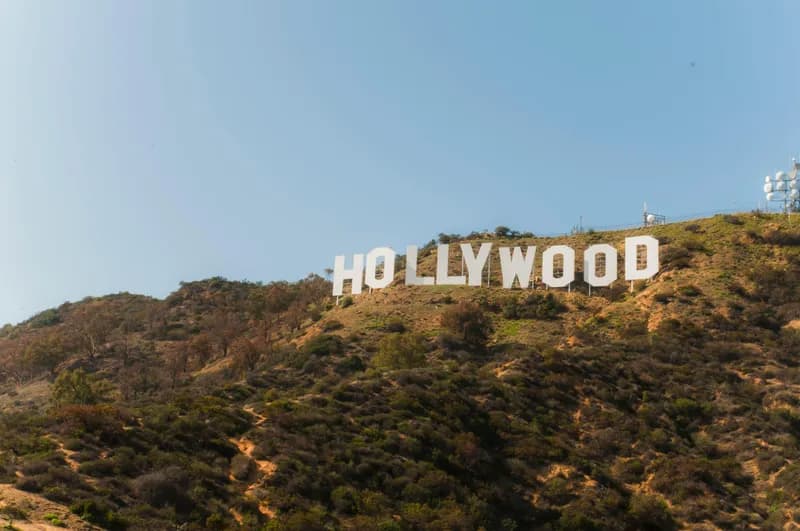
Los Angeles is often dismissed as sprawl, superficiality, and car culture—but dismissing it misses the genuine complexity and creative energy beneath the surface. The city operates as a collection of neighborhoods, each with distinct identity: artistic Downtown, bohemian Silver Lake, upscale Santa Monica, gritty Venice Beach, immigrant-heavy Koreatown and Boyle Heights, residential-but-sophisticated West LA. The beaches are genuinely beautiful. The outdoor culture (hiking, biking, surfing) is integrated into daily life. The food scene reflects the city's multicultural population—authentic Oaxacan cooking, Korean tacos, Thai noodles, and fine dining innovation coexist. The mountains frame everything. Art thrives in unexpected places. Los Angeles rewards those willing to move beyond Hollywood to find genuine character and community.
Best Time to Visit
September–November and March–May bring ideal weather—warm, sunny, minimal rain. December–February is cool but still pleasant, with frequent perfect beach days. June–August is warm but can bring marine layer (fog) and crowds. Year-round sunshine makes timing less critical than in other cities. Traffic and crowds peak in summer and around major holidays; spring and fall offer better rhythm and fewer tourists.
Neighborhoods to Know
Downtown Los Angeles: The city's actual downtown with museums, galleries, theaters, and an emerging residential scene. Less touristy than Hollywood and increasingly authentic in contemporary culture.
Silver Lake and Los Feliz: Bohemian, artsy neighborhoods with vintage shops, independent cafés, street art, and younger creative types. Genuinely alternative without feeling contrived.
Santa Monica and Venice Beach: Upscale beach towns with walkable promenades, ocean access, and a vacation atmosphere. More polished but still vital parts of LA's identity.
Koreatown: An ethnic neighborhood with authentic Korean restaurants, nightlife, and culture. Underutilized by visitors but offering genuine cultural immersion.
Boyle Heights: An immigrant (primarily Mexican) neighborhood with murals, taquerías, and working-class culture. More authentic than touristy zones but requiring respectful approach.
Food & Drink
Los Angeles's food culture reflects its multicultural population and agricultural abundance. Korean tacos (a fusion creation) exemplify the city's willingness to blend traditions. Mexican food, particularly from Boyle Heights and broader LA, is excellent and authentic at all price points. Vietnamese, Thai, Chinese cuisines from immigrant neighborhoods offer authenticity and quality. The farm-to-table movement originated partly here. Fresh fruit and vegetables year-round reflect California's agricultural position.
Street Level: Taco trucks line streets selling exceptional tacos, quesadillas, and Mexican specialties. Korean street food, Vietnamese pho stands, Thai noodle vendors. Farmers' markets on weekends offer produce and prepared food at reasonable prices.
Mid-Range: Taquerías in Boyle Heights, Korean restaurants in Koreatown, Thai and Vietnamese neighborhoods serve authentic food at accessible prices. Casual Italian, Mediterranean, and American bistros abound. Neighborhood diners and coffee shops offer good food and local atmosphere.
Elevated: Fine dining in Santa Monica, Downtown, West LA, and increasingly in emerging neighborhoods pushes California cuisine forward. Fresh ingredients, technical precision, seasonal menus, and often vegetable-forward cooking define contemporary elevated LA dining.
Getting Around
Los Angeles is extremely car-centric; public transit exists but is limited and slow. Rental car, app-based rides, or taxis are necessary for meaningful exploration. Neighborhoods are somewhat walkable individually but not connected by foot. Parking is abundant in most areas but paid in tourist zones and dense neighborhoods. Highways are notorious for traffic; plan driving around rush hours (7–10 a.m. and 4–7 p.m. weekdays).
Insider Tips
- 1Los Angeles is a collection of neighborhoods, not a unified city. Spend time in multiple areas (Downtown, Silver Lake, Santa Monica, Koreatown) to understand the diversity.
- 1Skip Hollywood. The tourist attractions (Walk of Fame, studios) are contrived and disappointing. Downtown, Silver Lake, and other neighborhoods are more interesting and revealing.
- 1The farmers' markets are cultural institutions and great food sources. Sunday markets in Silver Lake, Saturday markets in Santa Monica, and weekday markets throughout the city offer produce, prepared food, and people-watching.
- 1Hiking in the Santa Monica Mountains is easily accessible and genuinely beautiful. Short trails exist near the city; longer trails for experienced hikers abound.
- 1Food truck culture is legitimate and excellent. Korean tacos, Mexican food, Vietnamese pho—the best food in LA is often from a truck or cart, not a restaurant.
### The Velvano Touch
Los Angeles is often reduced to Hollywood and beaches, but the city's real character—its artistic energy, its multicultural neighborhoods, its hiking culture, its culinary innovation—exists in spaces beyond the tourist zones. We craft itineraries that move across neighborhoods, revealing how the city actually functions and why creative people choose to stay despite the traffic and sprawl.
---
[Continuing with remaining Americas cities in next section...]
## Medellín, Colombia — Your Velvano Guide
Meta Description: Discover Medellín's transformation from notoriety to cultural renaissance: neighborhood rides, modern art, street food, and Andean mountain setting.
### Overview
Medellín's story is one of radical transformation and resilience that renders simplistic narratives obsolete. The city, once synonymous with violence and cocaine, has undergone an extraordinary reimagining over the past two decades. Today's reality is a vibrant, creative, increasingly upscale city with art installations, innovative restaurants, and young professionals building lives here. The mountainous terrain shapes everything—neighborhoods climb the hillsides, connected by cable cars offering views and (importantly) dramatically improved transportation for poorer communities. The weather is eternally spring-like (hence "City of Eternal Spring"). The street art and public art projects rival any city. The energy feels genuinely forward-looking and creative. Visitors must approach with understanding of the complicated history while engaging with the city's genuine present.
### Best Time to Visit
June–August brings the driest weather and the city's cultural calendar peaks (Flower Festival in August is iconic). December–January has good weather and holiday festivals. April–May and September–November bring green landscapes and fewer tourists, though afternoon showers are possible. The city's eternal spring weather means timing is less critical than understanding the city's rhythms and cultural moments.
### Neighborhoods to Know
El Poblado: The upscale, tourist-friendly neighborhood with boutique hotels, excellent restaurants, galleries, and nightlife. Safe and pleasant but somewhat gentrified and less authentic than other areas.
Laureles: A large residential neighborhood with local character, markets, restaurants that locals frequent, and less of a tourist presence. Increasingly cool and developing its own café and nightlife culture.
Belén and other hillside neighborhoods: Accessible by cable car, these traditionally poorer neighborhoods have been transformed through public art projects and community investment. Walking here with a local guide offers insight into the city's transformation.
La Candelaria: The historic heart with colonial architecture, plazas, and cultural institutions. Less touristy than El Poblado, more culturally rich.
Envigado and Sabaneta: Newer, wealthier suburbs south of Medellín with shopping and dining. Less essential for visitors unless you're specifically interested in contemporary Colombian commercial development.
### Food & Drink
Medellín's food culture reflects Andean traditions and the city's agricultural surroundings. Ajiaco (hearty potato soup) tastes of home here. Bandeja Paisa (a massive plate of meat, beans, rice, and accompaniments) originated in the region and is genuinely hearty. Arepas (corn cakes) appear at every meal. Fresh fruit from surrounding mountains—lulo, guanabana, mora, blackberries—is revelatory. Coffee, of course, is exceptional.
Street Level: Street vendors sell arepas, empanadas, patacones (fried plantains), and fruit juices. Markets overflow with tropical produce. Corner shops sell bandeja paisa components at breakfast and lunch.
Mid-Range: Neighborhood restaurants throughout the city serve traditional paisa cooking—hearty, meat-heavy, satisfying. Contemporary restaurants in El Poblado and Laureles blend traditional ingredients with modern technique. Cafés are numerous and welcoming to solo guests.
Elevated: Fine dining in El Poblado and emerging restaurants in Laureles elevate traditional ingredients into refined presentations. Expect technical execution, carefully sourced products, and wine programs that acknowledge Colombian producers.
### Experiences by Traveler Type
Couples: Cable car rides to hillside neighborhoods offer views and adventure. A guide-led walk through a transformed neighborhood (Belén or La Candelaria) offers both insight and bonding. Sunset drinks at rooftop bars in El Poblado overlooking the city lights. An evening walk through the plazas of La Candelaria, ending with dinner at a neighborhood restaurant.
Solo Travelers: Walking tours with local guides offer context and social connection. El Poblado's neighborhood feel (despite the tourism) is safe for solo exploration. Cooking classes and food tours connect you with other travelers. Museums and galleries welcome solo visitors. Cafés are social gathering spaces.
Groups: Organize a neighborhood walking tour with a local guide who can contextualize the city's transformation. A progressive dinner moving through different neighborhoods creates shared experience. Group cable car rides to hillside neighborhoods, with time for exploration and street food tasting.
Families: Cable car rides are genuinely fun and offer views. Parks throughout the city provide recreation and breathing room. Street food is accessible for kids. Markets are visually engaging. The city feels safe for family exploration in main areas.
Adventure Seekers: Hiking in surrounding mountains. Paragliding from hillsides (operated by outfitters). Mountain biking. Rock climbing at nearby crags. Urban exploration of street art and transformed neighborhoods.
### Getting Around
Medellín's metro system is extensive and well-designed, connecting most neighborhoods you'll visit. Cable cars extend the metro to hillside neighborhoods and offer views while transporting you. Taxis and app-based rides work well but aren't necessary for most trips. El Poblado is walkable and safe for daytime exploration. Avoid walking alone after dark outside main tourist areas.
### Insider Tips
- 1The city's transformation is genuinely remarkable, but avoid patronizing tone. Approach with respect, understanding of complexity, and genuine curiosity about how communities rebuild.
- 1The cable cars (Metrocable) are essential to understanding how the city has invested in poor neighborhoods. The views, the accessibility, and the experience are worth multiple rides.
- 1Don't limit yourself to El Poblado. Laureles has more authentic café culture and local restaurants. La Candelaria has more historical significance. Exploring beyond the tourist zone reveals the city's complexity.
- 1Street art and public art projects are genuinely excellent. Walk the neighborhoods and look up—the work is continuously evolving and reflects contemporary Colombian culture.
- 1The Flower Festival (Feria de las Flores) in August is genuine culture, not a tourist production. If you visit in August, it's worth experiencing, though the city swells with visitors.
### The Velvano Touch
Medellín's story of transformation from notoriety to cultural renaissance is remarkable, but avoiding reduction to that narrative, the city reveals itself as a genuine place where creativity flourishes, communities invest in public beauty, and the future feels genuinely optimistic. We craft itineraries that honor the complexity while celebrating the art, the neighborhoods, and the creative energy that define contemporary Medellín.
---