Overview
London is too large, too layered, too complex to contain in a single narrative. It's medieval City, Victorian expansion, literary history, royal tradition, immigrant communities, contemporary creativity, and financial power all existing simultaneously. Walking these streets, you might pass Shakespeare's theater, modern skyscrapers, Georgian squares, Indian restaurants, and street art—sometimes on the same block. The neighborhoods each have distinct character and history; transport connects them; the Thames divides and unifies. London doesn't ask to be understood; it demands engagement. The weather is often grey; the pace is fast; the energy is intense. But there's magic in the layers, the stories, the sense of a city that's mattered for centuries and continues mattering. London rewards those who move beyond major attractions into neighborhoods and communities where actual life happens.
Best Time to Visit
May through June and September through October offer mild weather and light without summer crowds or winter darkness. Summer is warm but extremely crowded; winter is cold and dark but brings solitude and atmospheric quality.
### Neighborhoods and Areas to Know
West End / Covent Garden Theater, shopping, and tourist infrastructure concentrate here. It's vibrant and busy but also commercial and often superficial. Major attractions (National Gallery, theaters) are nearby.
South Bank Along the Thames south of the city, South Bank contains cultural institutions (National Theatre, Tate Modern), restaurants, and public spaces. It's vibrant and walkable; it's also designed for visitors.
East London Neighborhoods like Shoreditch, Bethnal Green, and Hackney are where London's contemporary creative culture lives. Street art, independent galleries, vintage shops, and younger demographics define these areas. They're authentic, evolving, and genuinely engaging.
South London Neighborhoods like Brixton, Peckham, and Croydon are where London's diverse immigrant communities live and thrive. Food, music, and street culture here are exceptional; it's where contemporary London is actually happening.
North London Neighborhoods like Camden, Islington, and Hampstead have distinct characters. Camden is bohemian and commercial; Islington is gentrified but with independent shops and restaurants; Hampstead is affluent and village-like.
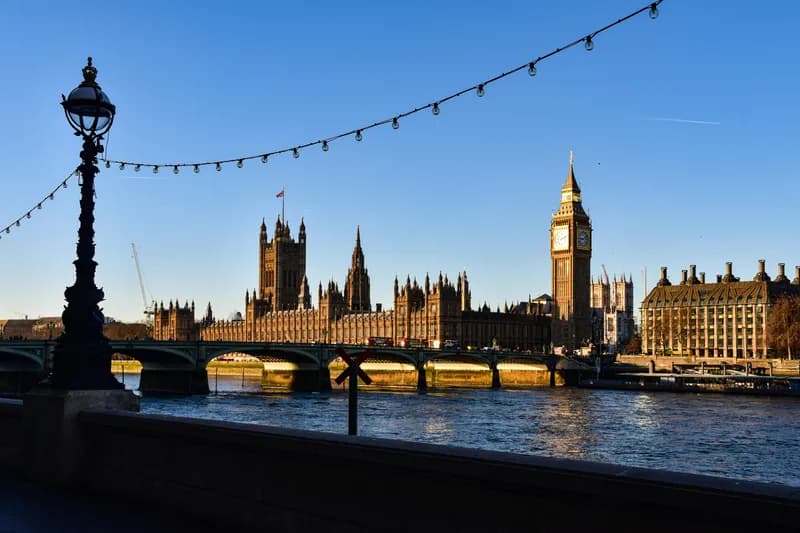
Westminster Home to Parliament, the Abbey, and royal palaces, Westminster is historically significant and architecturally impressive. It's also thoroughly touristy; it's worth seeing but in context of understanding London's many layers.
### Food & Drink
British food has evolved dramatically—London's restaurant scene is world-class and globally influenced. Indian, Chinese, Middle Eastern, African, and cuisines from every colonized region exist alongside contemporary British cooking. Traditional British food (fish and chips, Sunday roasts, pies) remains; Indian curry is unofficially the national dish; tea culture persists in some settings. Street food ranges from fish and chips to international cuisine; pubs serve varying quality of food; elevated dining is world-renowned.
### Experiences by Traveler Type
Couples - Explore specific neighborhoods deeply rather than hitting major sights - Share long meals at neighborhood restaurants in areas like Islington or Brixton - Take a riverboat walk along the Thames at sunset - Attend theater in the West End or smaller venues in North London
Solo Travelers - Stay in a neighborhood hostel in East or North London where there's community - Take walking tours of specific neighborhoods or historical themes - Spend time in museums (many are free) observing art and other visitors - Use the transit system to explore different neighborhoods systematically
Groups - Organize a neighborhood pub crawl through multiple areas - Book a group cooking class or food tour of a specific neighborhood - Rent a group apartment in a residential neighborhood as a social base - Take a comprehensive walking tour, then explore independently from there
Families - Visit museums (many free with suggested donation) - Take a riverboat on the Thames for views and movement - Explore parks like Hyde Park or Regent's Park for open space - Visit markets (Borough, Camden) for sensory engagement and food
Adventure Travelers - Rock climbing and outdoor centers in the city - Cycling routes through London and to surrounding areas - Multi-day hiking trips to surrounding regions (Peak District, South Downs) - Water sports on the Thames or at nearby locations
### Getting Around
London's public transportation (Underground, buses, Overground, light rail) is extensive. A Travelcard gives unlimited access. Walking connects central areas but distances grow quickly. Buses are slower but offer views and are good for navigating neighborhoods. Taxis are expensive. Cycling works for some routes. The city requires transit strategy but is highly navigable.
### Insider Tips
- 1Skip or minimize major attractions; they're touristy for good reason but not essential. Focus instead on neighborhoods where locals live and gather. That's where London's actual character emerges.
- 1East London is where contemporary culture lives. Shoreditch, Bethnal Green, Hackney—street art, galleries, independent shops, younger energy. Spend time here to understand contemporary London rather than historical London.
- 1The Thames riverboat is underused. Taking a boat between neighborhoods offers perspectives and movement-based understanding of the city different from ground-level transit.
- 1Indian food in London is exceptional. Whether in traditional curry houses or contemporary interpretations, Indian cuisine reflects London's history and contemporary diversity. Seek it out in Brick Lane and beyond.
- 1Afternoon tea is cultural but inconsistent. High tea at fancy hotels is expensive and mediocre; it's a tourism experience. Regular cafés offer better value and authenticity for tea and pastries.
### The Velvano Touch
London is too vast to master; the goal isn't to see everything but to understand neighborhoods, move through the city like it's a series of distinct places rather than single entity, and discover what draws you. We'll craft your days around neighborhood exploration—whether that's East London's creative edge, South London's multicultural vibrancy, or the literary history of certain areas. London rewards those who move beyond postcards into actual discovery.
---
Food & Drink
British food has evolved dramatically—London's restaurant scene is world-class and globally influenced. Indian, Chinese, Middle Eastern, African, and cuisines from every colonized region exist alongside contemporary British cooking. Traditional British food (fish and chips, Sunday roasts, pies) remains; Indian curry is unofficially the national dish; tea culture persists in some settings. Street food ranges from fish and chips to international cuisine; pubs serve varying quality of food; elevated dining is world-renowned.
Getting Around
London's public transportation (Underground, buses, Overground, light rail) is extensive. A Travelcard gives unlimited access. Walking connects central areas but distances grow quickly. Buses are slower but offer views and are good for navigating neighborhoods. Taxis are expensive. Cycling works for some routes. The city requires transit strategy but is highly navigable.
Insider Tips
- 1Skip or minimize major attractions; they're touristy for good reason but not essential. Focus instead on neighborhoods where locals live and gather. That's where London's actual character emerges.
- 1East London is where contemporary culture lives. Shoreditch, Bethnal Green, Hackney—street art, galleries, independent shops, younger energy. Spend time here to understand contemporary London rather than historical London.
- 1The Thames riverboat is underused. Taking a boat between neighborhoods offers perspectives and movement-based understanding of the city different from ground-level transit.
- 1Indian food in London is exceptional. Whether in traditional curry houses or contemporary interpretations, Indian cuisine reflects London's history and contemporary diversity. Seek it out in Brick Lane and beyond.
- 1Afternoon tea is cultural but inconsistent. High tea at fancy hotels is expensive and mediocre; it's a tourism experience. Regular cafés offer better value and authenticity for tea and pastries.
### The Velvano Touch
London is too vast to master; the goal isn't to see everything but to understand neighborhoods, move through the city like it's a series of distinct places rather than single entity, and discover what draws you. We'll craft your days around neighborhood exploration—whether that's East London's creative edge, South London's multicultural vibrancy, or the literary history of certain areas. London rewards those who move beyond postcards into actual discovery.
---