Overview
Lima has become one of the world's great food cities, but reducing it to that misses the complexity. The capital blends pre-Columbian heritage, colonial architecture, artistic energy, and culinary innovation in ways that feel genuinely integrated rather than layered for tourism. Neighborhoods like Miraflores offer Pacific coast views and bohemian vibe; Barranco pulses with street art and creative culture; the historic center preserves colonial grandeur alongside contemporary energy. Museums display pre-Columbian artifacts that rival any in the world. The city operates at a different pace than other South American capitals—it feels less urgent, more thoughtful, and deeply engaged with its own cultural moment.
Best Time to Visit
October–April brings summer weather (warm, minimal rain) and the city's most active cultural calendar. December–February is peak summer but also peak humidity. May–September is cool and cloudy but offers fewer tourists and excellent light for photography. The city's microclimate means it rarely rains, making it relatively visitor-friendly year-round. Book dining reservations months in advance for the most celebrated restaurants.
Neighborhoods to Know
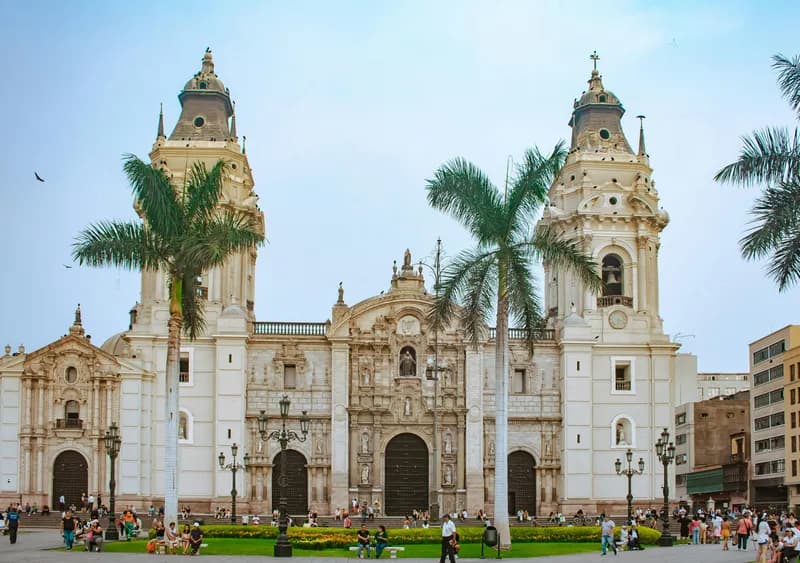
Historic Center (Centro Histórico): The colonial heart with Plaza Mayor, the cathedral, and colonial architecture. Atmospheric but increasingly touristy, best visited early morning or late afternoon.
Miraflores: The upscale, bohemian neighborhood with parks overlooking the Pacific, excellent restaurants and galleries, and a younger creative vibe. Genuinely pleasant for walking and lingering.
Barranco: The artistic quarter with street art, vintage shops, galleries, and a bohemian spirit. More casual than Miraflores and arguably more genuinely creative and lived.
San Isidro: An upscale residential neighborhood with good restaurants, parks, and a quieter atmosphere than touristy zones. Less essential for visitors but worth walking if you have time.
Callao: The port neighborhood with a grittier atmosphere, working-class culture, and genuine maritime history. Less visited but revealing of Lima's actual economic base.
Food & Drink
Lima's food reputation is genuinely earned. Ceviche reaches its apotheosis here—fresh fish, lime juice, chilies, and technique that transforms simple ingredients into revelation. Causa (layered potato terrine) is distinctly Peruvian. Lomo saltado (stir-fried beef) satisfies with technique and quality ingredients. Fresh seafood in all preparations—grilled, ceviche, in soups—reflects Lima's coastal position. Peruvian cuisine draws on indigenous ingredients (quinoa, potatoes, chilies) combined with Spanish, African, Asian, and contemporary global influences.
Street Level: Cevicherías (ceviche restaurants) range from simple counters to sit-down establishments, all serving excellent product at range of prices. Street vendors sell anticuchos (grilled meat skewers), tamales, empanadas, and fresh juice. Markets overflow with fresh produce, fresh fish, and prepared dishes.
Mid-Range: Casual restaurants in Barranco and Miraflores serve ceviche, grilled fish, and traditional dishes with care but less ceremony than fine dining. Neighborhood spots in the historic center and other areas offer good food at accessible prices. Lima's cafe culture is strong—cafés serve excellent coffee and pastries.
Elevated: World-renowned restaurants in Miraflores, San Isidro, and Barranco push the boundaries of Peruvian cuisine, often recontextualizing traditional ingredients and techniques through contemporary methods. Expect innovation, technical precision, and thoughtful presentations that respect heritage while reimagining tradition.
Getting Around
Lima's neighborhoods are somewhat spread out but accessible by app-based rides or taxis. Miraflores, Barranco, and the historic center are walkable within themselves, but getting between them rewards transportation. The Metro (subway) exists but is less useful for tourists. Buses are comprehensive but chaotic for unfamiliar passengers. Walking is safe in main tourist areas during daytime but requires caution after dark.
Insider Tips
- 1Book restaurant reservations well in advance. Lima's dining scene is world-class but popular restaurants fill months ahead. Even casual spots can be packed during peak hours.
- 1The museums—especially those focused on pre-Columbian artifacts—are genuinely world-class. The Larco Museum, the Museum of Archaeology, and others display artifacts of extraordinary significance.
- 1Barranco's street art is continuously evolving. Walk the neighborhood repeatedly if you have time; new murals appear frequently and the art reflects contemporary Peruvian culture.
- 1Markets are essential to understanding Lima's food culture. Early morning visits catch the best selection and see locals actually shopping rather than performing for tourists.
- 1Miraflores's parks overlooking the Pacific are perfect for slow exploration. No attractions required—just walking, sitting, and absorbing the light and atmosphere.
### The Velvano Touch
Lima's reputation as a food destination is accurate but incomplete. The city is genuinely concerned with art, culture, history, and beauty in addition to culinary innovation. We craft itineraries that balance the celebrated dining experiences with neighborhoods, museums, and street-level culture that reveal why Lima feels like a city genuinely engaged with its own moment, not performing for visitors.
---