Overview
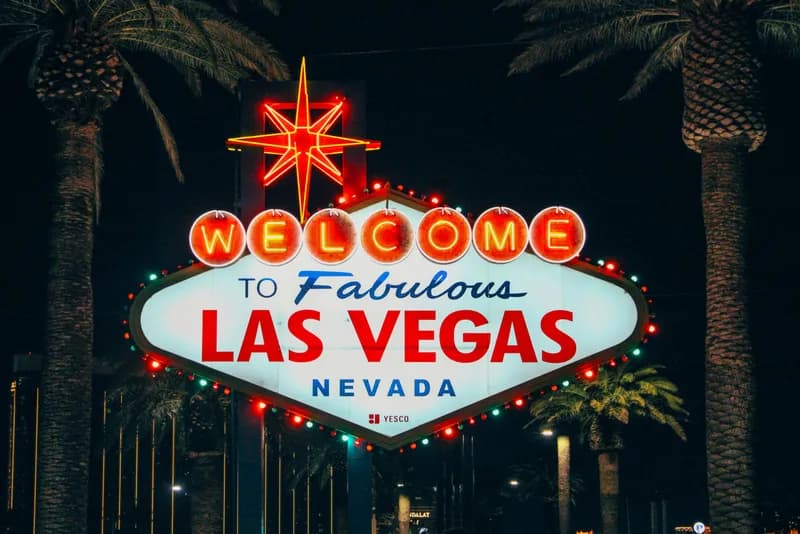
Las Vegas is a city built on excess and reinvention, where the Mojave Desert becomes backdrop for architectural fantasies that range from Venetian gondolas to Eiffel Tower replicas. The Strip is undeniably impressive and worth seeing, but it's essentially a series of expensive hotels pretending to be world capitals. The real Vegas—the one that rewards actual exploration—exists in neighborhoods with genuine restaurants, galleries, and a local culture that's deeply separate from the tourist experience. The city's natural surroundings (Red Rock Canyon, Valley of Fire, Hoover Dam) are spectacular. Visitors who venture beyond the casinos discover a place far more interesting than its reputation suggests.
Best Time to Visit
October–April brings ideal weather—warm days, cool nights, minimal rain. November–January brings slightly cooler temperatures, winter holiday crowds, and expensive hotel rates. May–September is brutally hot (110°F+) but hotels offer deep discounts, crowds thin, and the city shows its local face more clearly. Avoid spring break, major holidays, and event weekends (boxing matches, major concerts) for reasonable rates.
Neighborhoods to Know
The Strip: The famous casino corridor with mega-resorts, shopping, and constant stimulation. Touristy but undeniably impressive, and necessary to see at least once.
Downtown Las Vegas: The older gambling district with vintage casinos, art galleries, and a grittier, more authentic atmosphere than the Strip. Increasingly revitalized with galleries, murals, and indie businesses.
Arts District: A neighborhood north of downtown with galleries, independent shops, vintage stores, and a creative vibe that feels genuinely alternative to casino culture.
Chinatown: An Asian neighborhood with authentic restaurants (Chinese, Vietnamese, Korean, Japanese), markets, and minimal tourist presence. Where locals actually eat.
Red Rock Canyon: A scenic area west of the city with hiking, rock climbing, and stunning desert landscapes. Not a neighborhood but essential to the Vegas experience.
Food & Drink
Las Vegas has a strange relationship with food—it's simultaneously the city of buffets and increasingly sophisticated dining. Steaks are iconic and fine-dining establishments compete for reputation. Seafood flown in daily for high-end restaurants is exceptional. Asian cuisine from Chinese to Vietnamese to Korean is authentic and excellent in neighborhoods like Chinatown. Casual tacos and Mexican food are strong. The buffet tradition has diminished but still exists in certain casinos.
Street Level: Food trucks and casual vendors in Arts District and neighborhoods offer sandwiches, tacos, and casual fare. Chinatown's street vendors sell noodles, dumplings, and prepared dishes at tiny stalls and counters.
Mid-Range: Casual restaurants in Arts District, Downtown, and Chinatown serve genuine food at real prices. Casual Italian, Mexican, and Asian restaurants abound. Ethnic neighborhoods offer authentic cuisine at accessible prices.
Elevated: Fine dining on the Strip and in upscale neighborhoods offers technical precision, rare ingredients, and service standards that match anywhere in the world. The city attracts celebrity chefs and ambitious young cooks, resulting in innovation and competition.
Getting Around
Las Vegas is extremely car-centric; walking the Strip is possible but exhausting and slow. Rental cars are affordable and essential for exploring natural areas. The monorail connects limited Strip locations but isn't comprehensive. Ride-share apps work well within the city. Taxis are available but less reliable than apps. Getting to Red Rock Canyon or Valley of Fire requires a car (rental or tour).
Insider Tips
- 1The Strip is mostly a casino experience, not a city experience. You should see it, but don't spend all your time there. Downtown and Arts District are more authentically Vegas.
- 1Red Rock Canyon is 30 minutes west and worth a full day. The scenic loop drive, hiking trails, and desert landscape are genuinely spectacular and remind you why people settled this place.
- 1Chinatown and Asian neighborhoods have the best food and most genuine dining culture. Skip overpriced Strip restaurants and eat where locals eat.
- 1Downtown has transformed significantly with gallery openings, murals, and revitalization. The Arts District vibe is genuinely creative and shows a different side of Vegas.
- 1The desert is brutal and beautiful. Hiking early morning or late afternoon avoids heat; bring water; respect the landscape and wildlife.
### The Velvano Touch
Las Vegas is easy to dismiss as artificial excess, but the city rewards travelers who move beyond the casinos to discover genuine neighborhoods, natural wonders, and a culture distinct from the filtered tourist experience. We craft itineraries that honor the Strip's spectacle while uncovering the Arts District galleries, the authentic Asian neighborhoods, and the surrounding desert landscapes that reveal why this place, however improbable, merits a deeper look.
---