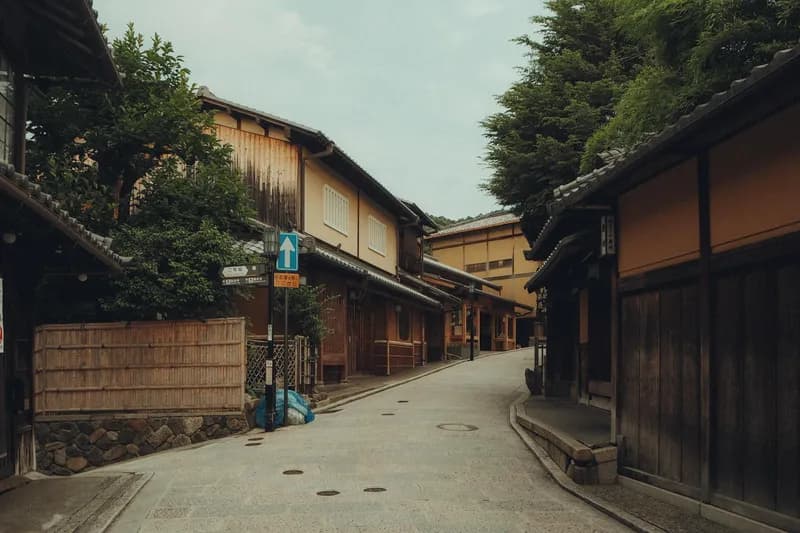
Overview
Kyoto is Japan distilled to its essence—a city where tradition runs deep and modernity exists outside the historic core. The city contains nearly two thousand temples and shrines, more Buddhist temples than any other Japanese city. Geishas still walk through certain neighborhoods at dusk, serving in traditional tea houses. The food culture here is refined and seasonal, reflecting Zen Buddhist influences. Bamboo groves tower above narrow paths. Temples sit in perfect gardens. The rhythm here is slower than Tokyo; time feels differently calibrated. Kyoto is the Japan of imagination—the place where ancient spirituality persists in a modern nation. The city rewards lingering; a week isn't excessive, and three days feels rushed.
Best Time to Visit
March to May (cherry blossom season) and September to November (autumn foliage) are peak seasons with clear skies and moderate temperatures—and massive crowds. December to February is cold but less crowded; you'll have temples more to yourself. June to August is hot and humid; the rainy season (tsuyu) in late May and June brings afternoon downpours. April and October are ideal: good weather, manageable crowds, and the city at its most comfortable.
Neighborhoods to Know
Higashiyama: The historic mountain district, filled with temples, traditional wooden machiya (townhouses), restaurants, and the unmissable Fushimi Inari shrine with its thousands of red torii gates. It's touristy but beautiful; early mornings show quieter rhythms.
Gion: The famous geisha district, with wooden machiya lining the streets and traditional teahouses operating at dusk. The atmosphere here is preserved intentionally; it's magical but also somewhat controlled and touristy.
Arashiyama: The western district, famous for the bamboo grove and the temple gardens. Togetsukyo Bridge and the nearby temples draw crowds; exploring beyond the famous spots reveals quieter temples and villages.
Central Kyoto (Shimogyo & Shimogyo Ward): The downtown area, with shops, restaurants, and the Nijo Castle. It's more modern and commercial than other areas but where local Kyoto life continues.
Northern Kyoto (Kita & Sakyo): Quieter, more residential, with temples, gardens, and universities. This is where students and families live; it's less touristy and more authentic.
Philosopher's Path: A walking path along a canal with cherry trees, temples, and cafes. It's tourist-frequented but beautiful; walking it at dawn or dusk shows different character than midday.
Food & Drink
Kyoto cuisine is refined, seasonal, and influenced by Zen Buddhism. Kaiseki (multi-course formal dining) originated here. Yudofu (tofu hot pot) is a local specialty. The food culture emphasizes simplicity, seasonality, and presentation.
Street Food & Casual Stalls: Okonomiyaki (savory pancakes), takoyaki (octopus balls), matcha treats, and mochi. Street vendors cluster near temples and in neighborhoods; they're cheap and delicious.
Mid-Range Dining: Ramen shops, udon restaurants, sushi, and set meals (teishoku). These are where locals eat; prices are reasonable and quality is high. Many don't have English menus; pointing works fine.
Elevated Dining: Kyoto has excellent kaiseki and refined Japanese cuisine in traditional settings. These restaurants often occupy machiya or temple spaces, adding to the experience.
Experiences by Traveler Type
Every traveler is different. Explore what Kyoto has to offer based on how you like to travel.
Experiences by Traveler Type
- Sunrise private temple visit (arrange in advance at certain temples) with a monk guide, meditation, and tea ceremony
- Geisha experience: attend a formal dinner or tea ceremony with a geisha in Gion (booking is essential; prices are high but experiences are profound)
- Bamboo grove hike at dawn in Arashiyama, when you have the grove mostly to yourself, followed by breakfast at a nearby cafe
- Couples massage (traditional Japanese anma) at a clinic, followed by exploring Higashiyama's temples and tea shops
Getting Around
Kyoto is navigable by bus (the main transport for locals), bicycle, or walking. The bus system is logical; a day pass makes unlimited travel cheap. Bicycles are rentable from many shops; Kyoto is relatively flat and bike-friendly. Walking is viable for day exploring neighborhoods; long distances are tiring. Trains connect to surrounding areas. Taxis are expensive; avoid unless necessary.
Insider Tips
- 1Temples are best visited at opening time (usually 8-9 AM). Tour groups dominate by midday; early mornings reveal the temples' actual function—pilgrimage sites and spaces of worship.
- 1Geisha encounters are difficult but possible. You won't see geishas casually walking; the best times are dusk in Gion (around 5-6 PM) or arranged experiences (expensive but worthwhile).
- 1Cycling between temples is better than organized tours. You move at your own pace and discover unexpected spaces; rentals are cheap and the city is bike-friendly.
- 1The Philosopher's Path is more pleasant at dawn or dusk than midday. The light changes the experience dramatically; evening is particularly magical.
- 1Stay away from Arashiyama's bamboo grove at peak hours. If you can only visit midday, do it; otherwise, dawn is infinitely better for the experience and for photographs.
---