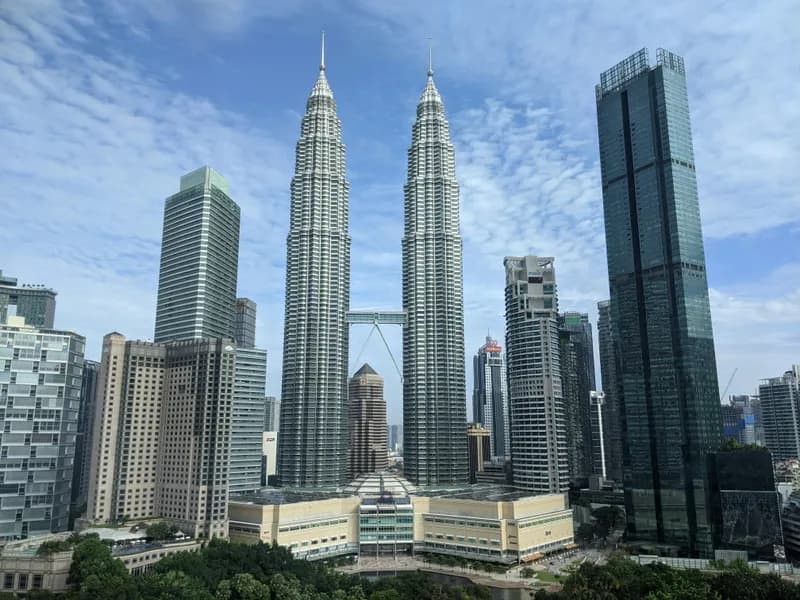
Overview
Kuala Lumpur is a city of extremes—ultra-modern skyscrapers rising beside temples, a sprawling metropolis that's cleanly organized and efficient, a multicultural hub where Malay, Chinese, and Indian traditions coexist visibly. The Petronas Twin Towers dominate the skyline; the Klang River snakes through the center. The city has moved quickly toward modernity; gleaming malls cluster downtown while traditional neighborhoods maintain older rhythms. The food here is perhaps Malaysia's greatest export: Malay, Chinese, and Indian cuisines collide and merge, creating flavors found nowhere else. Kuala Lumpur is an easy city for travelers—English is widely spoken, transport is efficient, the food is exceptional—making it a gateway to Malaysia or a destination in itself. The city rewards curiosity; beyond the tourist zones lie neighborhoods and experiences far more interesting.
Best Time to Visit
May to July and September to November bring slightly drier weather, though Kuala Lumpur is humid year-round. December to February is relatively dry; however, it's peak season bringing crowds and higher prices. March to May and August-September see fewer tourists and better prices. The city has consistent heat and humidity; monsoons don't dramatically impact downtown areas. Avoid Chinese New Year (January-February) and Ramadan periods when prices spike.
Neighborhoods to Know
Downtown (Bukit Bintang): The commercial heart, with shopping malls, restaurants, and the Petronas Twin Towers anchoring the area. It's touristy and easy to navigate; most hotels and restaurants cluster here. It's convenient but lacks authentic character.
Chinatown (Petaling Street): The historic Chinese quarter, a warren of narrow streets, shop-houses, temples, and markets. It's loud, crowded, and absolutely vibrant. Street food vendors cluster here; the energy is authentic commerce rather than tourism.
Merdeka Square & Colonial District: The historic core, featuring colonial architecture, mosques, and government buildings. Merdeka Square is spacious and calm; the surrounding architecture tells Malaysia's political history.
Little India (Brickfields): The Indian neighborhood, with temples, spice shops, sari stores, and excellent Indian restaurants. It's less touristy than Chinatown but equally vibrant and food-focused.
Bangsar & Mont Kiara: Upscale residential neighborhoods with excellent restaurants, cafes, and a laid-back vibe. It's where younger Kuala Lumpur gathers; less touristy, more authentic local life.
Sentosa & Kampong Baru: Traditional Malay villages within the city, quieter and more residential. These neighborhoods show a different character of Kuala Lumpur.
Food & Drink
Malaysian cuisine is a synthesis of Malay, Chinese, and Indian traditions, with contemporary fusion added. The balance of spice, sweetness, and umami is refined; coconut is foundational.
Street Food & Stalls: Nasi lemak (rice with sambal and coconut milk), satay (grilled meat skewers), laksa (spiced noodle soup), char kway teow (wok-fried noodles), and roti canai (flatbread). Street vendors cluster in markets and near temples; quality varies but top stalls are exceptional.
Mid-Range Dining: Kopitiam (casual cafes), restaurants serving hawker food elevated to sit-down format, and regional Malaysian specialties. These are where locals eat; prices are low and quality is high.
Elevated Dining: Kuala Lumpur has excellent fine dining exploring Malaysian traditions with modern technique, often in malls or heritage buildings. There's also significant international and fusion cuisine.
Experiences by Traveler Type
Every traveler is different. Explore what Kuala Lumpur has to offer based on how you like to travel.
Experiences by Traveler Type
- Petronas Twin Towers at dusk, watching light transform the city from different vantage points, then dinner at a restaurant with views
- Private cooking class learning Malaysian dishes—satay, laksa, or nasi lemak—in a home or cooking school, followed by shared meal
- Sunset at a rooftop bar overlooking downtown, watching the city transition from day to night
- Couples massage at a traditional Malay massage clinic, followed by exploring Bangsar's quieter neighborhoods
Getting Around
The LRT (Light Rapid Transit) is efficient, clean, and covers most major areas. Buses are cheap but require understanding routes. Taxis are abundant; ride-sharing apps (Grab) are ubiquitous and cheap. Walking is viable in certain neighborhoods (Chinatown, Merdeka Square, Downtown) but long distances are tiring in heat. Motorbikes are rentable but traffic can be intense. The monorail and other train systems connect different parts of the city.
Insider Tips
- 1Chinatown is best visited early morning (6-9 AM). Wholesalers are active, locals are shopping, and the energy is authentic commerce. By 10 AM tour groups dominate.
- 1Hawker centers and food courts are the best place to eat. These cluster in neighborhoods; the queues show where to eat. Prices are excellent and quality is high.
- 1Batu Caves and surrounding areas are accessible by local buses or taxis. The cave temple itself is impressive; the climb has steps and can be steep, but views from the top are worth it.
- 1Little India is less touristy than Chinatown but equally vibrant. Spend time here if you want multicultural Malaysia beyond the obvious tourist zones.
- 1English is widely spoken here compared to other Southeast Asian cities. This makes getting lost much easier; you can always ask directions and be understood.
---