Overview
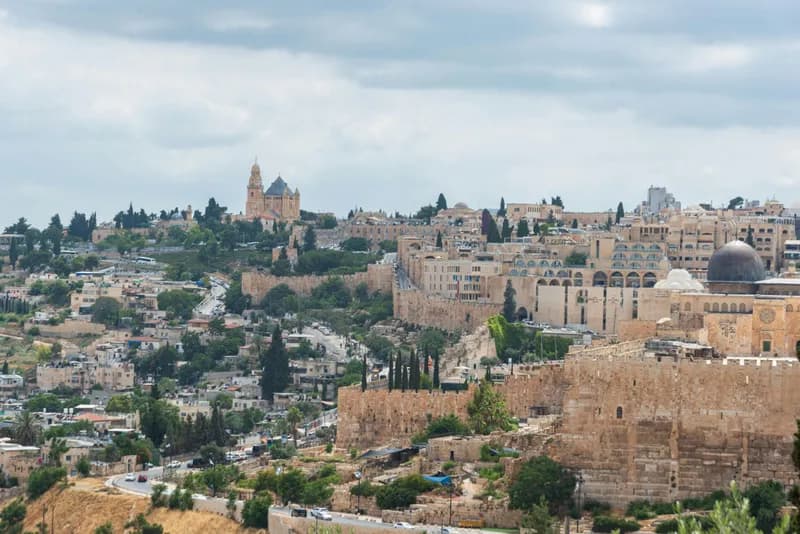
Jerusalem is a city of profound spiritual and historical significance, contested identity, and visible complexity. The Old City contains some of the world's holiest sites. Outside the walls, Jerusalem functions as a modern capital with neighborhoods reflecting Jewish Israeli identity, Palestinian Arab identity, and the complicated reality of a divided city. Understanding Jerusalem requires engaging with complexity. The city is safe for tourists, politically sensitive, and rewards thoughtful exploration and genuine curiosity.
Best Time to Visit
April–May and September–October bring ideal weather—mild temperatures, blooming landscapes, fewer tourists. November–March is cool and rainy but offers fewer crowds. June–August is hot and crowded. Religious holidays significantly affect rhythms and site access. Book accommodations in advance during peak seasons.
Neighborhoods to Know
Old City: The walled medieval core with sacred sites, bazaars, layers of history. Dense, atmospheric, touristy but undeniably significant. Divided into quarters.
East Jerusalem: Palestinian Arab neighborhoods with markets, restaurants, cultural institutions. Less touristy than Old City, politically sensitive. Requires awareness and respect.
West Jerusalem: The modern Israeli capital with government institutions, shopping, dining, cultural centers. Contemporary and organized.
Mount of Olives: A hill with panoramic views, ancient cemeteries, churches, spiritual significance.
Mishkenot Sha'ananim: A neighborhood with galleries, cultural institutions, residential character.
Food & Drink
Jerusalem's food culture blends Palestinian Arab traditions and Israeli Jewish cuisines. Hummus, falafel, tabbouleh appear across traditions. Shakshuka, Israeli salad, pita bread. Fresh mezze. Mediterranean influences. Kosher and Halal restaurants reflect religious communities.
Street Level: Street vendors and food stalls sell falafel, shawarma, kebab, fresh juice. Markets offer prepared dishes.
Mid-Range: Casual restaurants serve Palestinian Arab and Israeli Jewish cuisines. Mezze restaurants emphasize small plates. Cafés serve excellent coffee.
Elevated: Fine dining emphasizes Mediterranean and Middle Eastern ingredients. Both Israeli and Palestinian restaurants offer sophisticated cooking.
Getting Around
Jerusalem is somewhat car-centric, though public buses connect key areas. Walking in the Old City is essential and safe during daytime. Taxis and app-based rides work well. The city is hilly. Navigation is intuitive.
Insider Tips
- 1The Old City requires time and attention—it cannot be rushed. Arrive early, explore methodically, return at different times.
- 1Visit sacred sites with genuine respect and awareness of protocols. Women's dress modesty matters at religious sites. Prayer times affect access.
- 1East Jerusalem neighborhoods deserve exploration. Palestinian culture, markets, restaurants offer perspective beyond tourist zones.
- 1Day trips to Bethlehem, the Dead Sea, and other sites provide context. Hire a guide for nuanced understanding.
- 1Engage with complexity thoughtfully. The city's contested identity, religious significance, political tensions are part of the experience.
### The Velvano Touch
Jerusalem demands engagement with complexity. We craft itineraries honoring sacred sites while exploring neighborhoods, supporting local businesses, and engaging with people and histories that shape this profound and complicated city.
---