Overview
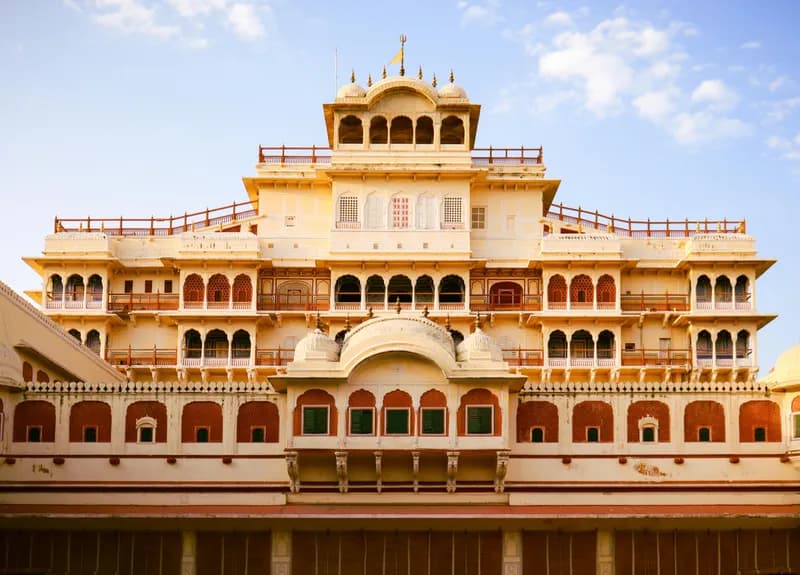
Jaipur is a city of dramatic color, geometry, and history. The city's streets are painted pink (a color chosen to welcome the Prince of Wales in 1876, and maintained as tradition ever since), giving it a distinctive aesthetic. The city was planned on a grid pattern by an 18th-century maharaja, which makes navigation logical—a rarity in Indian cities. The Hawa Mahal (Palace of Winds), with its pink facade and intricate latticed windows, is iconic, but the real magic lies beyond the tourist circuits: textile bazaars where artisans weave, palaces tucked into neighborhoods, temples where worship continues beneath the chaos. Jaipur is Rajasthan's capital and gateway; it serves as a base for exploring the region's palaces, desert forts, and villages. The food here is Rajasthani at its heartiest—breads, curries, and sweets adapted to the desert environment.
Best Time to Visit
October to March brings cooler temperatures and clear skies—ideal for exploring. April to May is hot (temperatures climb above 40°C/104°F) but shoulder season with fewer crowds. June to September is the monsoon, with afternoon rains and high humidity. December to February is peak season; aim for October-November or February-March for good weather with fewer visitors.
Neighborhoods to Know
City Palace Area & Old City: The historic center, home to the Hawa Mahal and surrounded by the old walled city. The streets here are narrow, crowded, and colorfully chaotic. The bazaars (Johari Bazaar, Bapu Bazaar) sell textiles, jewelry, and traditional goods. It's touristy but functional; locals shop and live here despite tourism.
Nahargarh Fort: The fort overlooking the city, accessible by a short ride outside the center. It offers panoramic views and a sense of Jaipur's positioning in the landscape. The Aravalli Hills rise around it.
C-Scheme & New City: The planned, newer neighborhoods south of the old city, wider streets, gardens, and more modern infrastructure. This is where wealthier Jaipur lives; it's quieter and easier to navigate than Old City.
Johari Bazaar & Textiles Area: The textile center, where block-printing, weaving, and traditional crafts continue. Visiting workshops here lets you watch artisans work and buy directly from makers.
Surroundings: Amber Fort (a short drive away), City Palace, and several smaller palaces sit on the outskirts; many travelers base themselves in Jaipur and take day trips.
Food & Drink
Rajasthani cuisine is hearty, bread-focused, and adapted to the desert. Breads (bajra roti, makki roti, gatte ki roti) are eaten more than rice. Curries tend toward tomato and onion bases rather than coconut. Sweets are elaborate.
Street Food & Stalls: Samosas, kachori (fried pastry), chaat varieties (especially aloo tikki), dal baati (lentils with roasted bread), and endless savory and sweet snacks. Street vendors cluster in bazaars and near markets; they're cheap and delicious.
Mid-Range Dining: Restaurants serving Rajasthani thalis (meal platters with breads, curries, and sides), North Indian food, and regional specialties. Many are family-run and excellent; dhabas serve both locals and travelers.
Elevated Dining: Jaipur has restaurants exploring Rajasthani traditions with refinement, often in heritage properties or palace hotels. These spaces celebrate the region's flavors and techniques.
Experiences by Traveler Type
Every traveler is different. Explore what Jaipur has to offer based on how you like to travel.
Experiences by Traveler Type
- Sunrise visit to Amber Fort, arriving early to avoid crowds, exploring the fort as light breaks, then having breakfast overlooking the city
- Private cooking class learning to make Rajasthani breads and curries in a home or cooking school, followed by a shared meal
- Sunset at Nahargarh Fort, watching light turn the city pink, then descending to a restaurant for dinner
- Couples massage at a heritage hotel or Ayurvedic clinic, followed by shopping in textile bazaars
Getting Around
Jaipur is relatively easy to navigate compared to other Indian cities. Auto-rickshaws are everywhere and cheap; Uber and Ola (ride-sharing) work well. Motorbikes are rentable, though traffic can be intense. Walking is viable in certain neighborhoods but long distances are tiring in heat. Bicycle-rickshaws are charming for short distances. Many sights are outside the center; taxis or ride-sharing for these day trips is practical.
Insider Tips
- 1Old City bazaars are best visited early morning (6-8 AM). Crowds increase dramatically by midday; early hours show the bazaars' actual function—locals shopping, vendors setting up, wholesale activity.
- 1Textile workshops in Johari Bazaar and surrounding areas are open for visitors. You can watch artisans work and buy directly from them, often at better prices and with direct knowledge of techniques.
- 1The pink color of the city is intentional and meaningful. It was chosen to welcome a royal visitor and has been maintained as tradition and identity; photographs at certain times (dawn, dusk) are extraordinary.
- 1Amber Fort deserves multiple hours and ideally an early visit. The fort is massive and worth more time than most travelers allocate; going early means fewer tourists and better light.
- 1Local food is the best food and extraordinarily cheap. Eat where locals eat, especially at street stalls in bazaars; a full meal costs just a couple dollars.
---