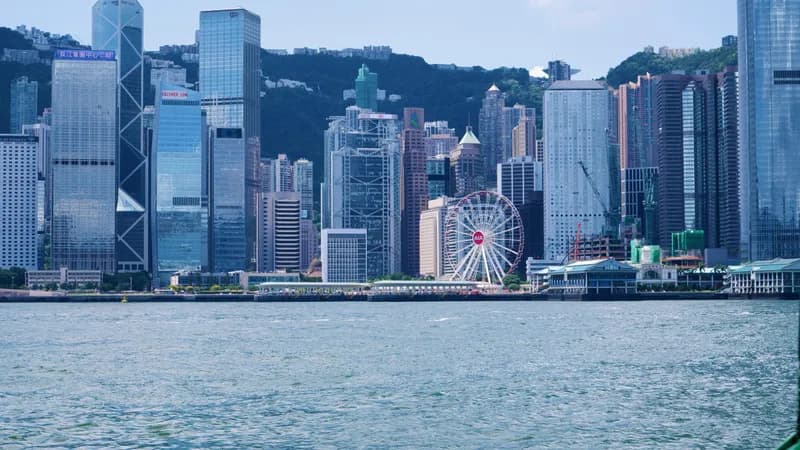
Overview
Hong Kong is a vertical city, a place where skyscrapers climb above harbors, where tradition and innovation collide at every corner, where old dim sum parlors exist in the shadows of luxury hotels. The energy here is palpable—everyone moving with purpose, the streets alive with commerce and culture. The harbor is the city's soul, dividing Hong Kong Island from Kowloon, with Victoria Peak rising above it all. Hong Kong is expensive, efficient, and utterly cosmopolitan. The food is exceptional—dim sum perfected over generations, Cantonese cooking at its finest, street food alongside Michelin-starred restaurants. Despite its modernity, Hong Kong maintains pockets of tradition: temples, markets, neighborhoods where Cantonese life continues largely unbothered by globalization. The city's energy is contagious; you arrive planning three days and extend it.
Best Time to Visit
October to November brings dry, clear weather and comfortable temperatures—ideal for exploring. December to February is cool and can be dry; however, it's peak tourist season. March to May is warm with occasional rain; crowds thin after Chinese New Year. June to September is hot, humid, and sometimes rainy. Avoid Chinese New Year (January-February) unless you specifically want to experience the cultural celebration; the city is packed and prices surge.
Neighborhoods to Know
Central: Hong Kong's financial hub, where skyscrapers cluster, luxury brands congregate, and the pulse of money is visible. It's expensive but walkable; galleries, high-end restaurants, and iconic architecture are concentrated here. Star Ferry Terminal connects to Kowloon from here.
Mid-Levels & Peak: The hillside above Central, featuring tree-lined streets, colonial architecture, galleries, cafes, and the famous Peak Tram. It's exclusive but accessible; the views from Peak and neighborhoods around it are spectacular.
Soho: The arts and nightlife district, a hillside warren of narrow lanes packed with restaurants, bars, and galleries. It's cosmopolitan and social; it's where much of Hong Kong's expat and creative community gathers.
Causeway Bay: East of Central, a shopping and dining district that's crowded, energetic, and quintessentially Hong Kong. Department stores, restaurants, and street energy cluster here. It's touristy but legitimate—this is where Hongkongers shop and eat.
Wan Chai: A traditional neighborhood being gentrified, with older buildings, markets, noodle shops, and a distinct character. It's less polished than Central or Causeway Bay but more authentically Hong Kong.
Mong Kok & Kowloon: Kowloon's densest neighborhood, chaotic and exhilarating. It's overcrowded, sometimes overwhelming, but absolutely alive. The streets throb with commerce; locals navigate with impressive efficiency. It's the least polished area frequented by tourists but undeniably vibrant.
Lantau Island: A separate island accessible by ferry or tram, featuring beaches, hiking trails, and quieter communities. The Giant Buddha is here; it's a day trip that shows a very different Hong Kong.
Food & Drink
Hong Kong's food culture is extraordinary—dim sum, Cantonese cooking, street food, and everything from hawker stalls to Michelin-starred restaurants. Dim sum (yum cha) is a cultural institution; the experience of carts rolling through dining rooms and selecting small plates is quintessentially Hong Kong.
Street Food & Stalls: Fish balls (fish paste balls in broth), egg waffles, char siu bao (barbecued pork buns), congee, and noodle soups. Street vendors cluster in markets and older neighborhoods; Mong Kok and Wan Chai have excellent concentrations.
Mid-Range Dining: Dim sum parlors (especially for breakfast/lunch), noodle shops, roasted meat restaurants (serving char siu and roasted duck), and seafood places. These are where Hongkongers eat; prices are reasonable and quality is high.
Elevated Dining: Hong Kong has more Michelin-starred restaurants than most cities in the world. Fine dining here ranges from refined Cantonese to innovative fusion, from traditional techniques to modern experimentation.
Experiences by Traveler Type
Every traveler is different. Explore what Hong Kong has to offer based on how you like to travel.
Experiences by Traveler Type
- Dim sum breakfast at a traditional parlor in Wan Chai or Central, sitting among locals, selecting small plates from carts as they roll past
- Star Ferry crossing at sunset, watching the harbor transform as light changes, then dinner at a harbourside restaurant
- Peak Tram ride up Victoria Peak, exploring the viewpoints and hiking trails, descending as the city lights activate below
- Couples massage at a traditional Chinese medicine clinic, followed by exploring the Mid-Levels' galleries and cafes
Getting Around
The MTR (Mass Transit Railway) is excellent—fast, clean, efficient, and covers most of the city. Buses are numerous but require understanding the route system. The Star Ferry is iconic transport; crossing the harbor is a journey not just a commute. Taxis are expensive but plentiful. Walking is viable in neighborhoods like Central, Soho, and Causeway Bay but exhausting for longer distances. The Peak Tram is transport and experience simultaneously.
Insider Tips
- 1Dim sum is best experienced at breakfast time (around 10 AM). Traditional parlors fill with locals at this time; the energy is social and less touristy than later services.
- 1Wan Chai at night has an entirely different character than during the day. Neon signs light the narrower streets; street food vendors appear; the neighborhood feels more intimate after dark.
- 1Markets close around midday. Traditional wet markets operate early morning through midday; visit before noon if you want to experience them.
- 1The Star Ferry is cheaper than most transport and offers views; ride it for practical reasons, not just tourism. The experience of crossing the harbor is worth the fare.
- 1Bargaining is expected at street markets but not at established shops or restaurants. Markets in Mong Kok and older neighborhoods expect negotiation; department stores and restaurants have fixed prices.
---