Overview
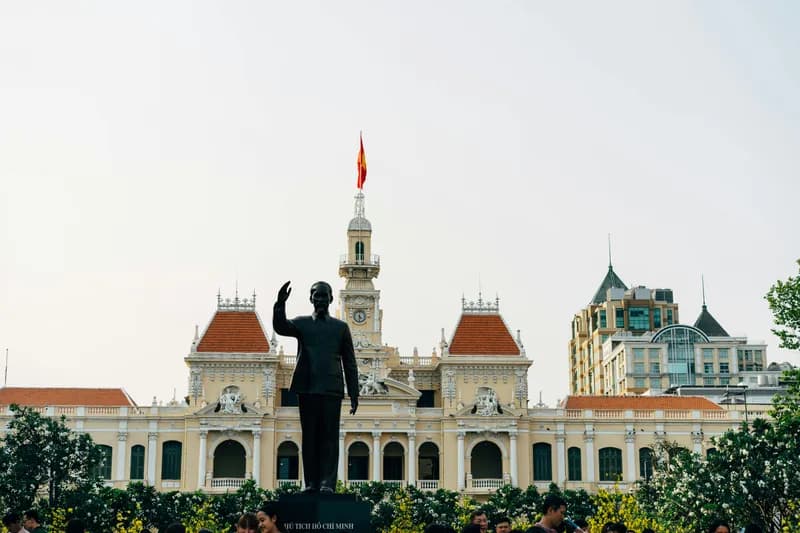
Ho Chi Minh City (formerly Saigon) is Vietnam's economic engine and most energetic metropolis. The city throbs with construction, commerce, and possibility. Colonial architecture stands next to modern glass towers; the Saigon River divides the city into distinct characters. District 1 is touristy and concentrated; cross the river to Districts 2 and 7 and you're in residential neighborhoods where actual life happens. The food scene here is perhaps Vietnam's most diverse—every regional cuisine, every preparation, every price point is available. Markets explode with produce, textiles, and energy. Motorbikes don't just transport people; they're the city's circulatory system. Ho Chi Minh City moves fast; embrace the tempo and you'll find a city far more interesting than its tourist reputation suggests.
Best Time to Visit
November to April offers dry weather and comfortable temperatures. May to October is the monsoon season—hot, humid, and often rainy, but fewer tourists and lower prices. December and January peak season brings crowds; aim for November or March-April for good weather with fewer visitors.
Neighborhoods to Know
District 1: The downtown core, with colonial architecture, temples, the War Remnants Museum, markets, and the bulk of hotels and restaurants. It's touristy and easy to navigate, but the energy is commercial rather than cultural.
Ben Thanh Market Area: Central to District 1, this legendary market is loud and chaotic, selling textiles, souvenirs, and street food. It's overwhelming but essential; go early morning for fewer tourists and better light.
Binh Thanh: A residential district east of the center, less touristy, with local restaurants, cafes, and the rhythms of everyday Ho Chi Minh City life. Staying here puts you among locals rather than tourism infrastructure.
District 2 & 7: Across the Saigon River, these newer, wealthier districts are where expats and young Saigonese live. They're quieter, more spacious, with good restaurants and bars; less cultural immersion but more comfortable.
Pham Ngu Lao: The backpacker district, packed with budget hotels, traveler restaurants, and a distinct subculture. It's a bubble, but a social and convenient one.
Cholon (District 5): The Chinatown district, dense and older, with temples, markets, and an energy distinct from District 1. It's less polished but more authentic, filled with actual commerce and community.
Food & Drink
Ho Chi Minh City's food is Vietnam's most diverse—every regional cuisine converges here. Pho, banh mi, street snacks, and upscale restaurants exist at every price point. Seafood and tropical fruits are exceptional.
Street Food & Stalls: Banh mi (Vietnamese sandwiches), bun cha (grilled pork with noodles), com tam (broken rice with toppings), hu tieu (clear pork noodle soup), and endless spring rolls and snacks. Markets are the epicenter; streets throughout the city offer portable food.
Mid-Range Dining: Family restaurants serving regional Vietnamese, Chinese, and Southeast Asian food. Cholon especially has excellent mid-range restaurants frequented by locals rather than tourists.
Elevated Dining: Ho Chi Minh City's fine dining scene is impressive—chefs pushing Vietnamese traditions, fusion concepts, and international cuisine. Many restaurants occupy colonial villas or modern spaces with notable design.
Experiences by Traveler Type
Every traveler is different. Explore what Ho Chi Minh City has to offer based on how you like to travel.
Experiences by Traveler Type
- Private sunrise mekong Delta tour by boat, visiting floating markets, villages, and fruit orchards, returning by afternoon (day trip from the city)
- Cooking class in a home or cooking school learning regional Vietnamese dishes, followed by a shared meal
- Sunset dinner on a traditional wooden boat floating on the Saigon River, watching the city lights reflect off water
- Couples massage at a traditional Vietnamese clinic, followed by exploring Binh Thanh's quieter neighborhoods and dinner at a local restaurant
Getting Around
District 1 is walkable; beyond that, you'll need transport. Grab (ride-sharing app) is ubiquitous and cheap. Motorbike taxis (Grab Bike) are faster than cars for short distances. Buses are cheap but confusing for tourists. Renting a motorbike is possible but requires comfort with traffic. Cyclos (pedicabs) are charming for short distances. Walking long distances is exhausting in heat and humidity.
Insider Tips
- 1Ben Thanh Market is best visited very early morning (6-8 AM). After 9 AM it's a tourist gauntlet; early hours reveal the market's actual function—locals buying breakfast, produce, and goods.
- 1Cholon is less touristy and more authentic than District 1. Spend time here if you want to see Ho Chi Minh City beyond the obvious tourist trail. The temples and markets are exceptional.
- 1The Mekong Delta can be visited by day trip or overnight. Day trips are faster-paced but easier; overnight trips offer more immersion. Either way, you're seeing a distinctly different Vietnam.
- 1Streetfood is the best and cheapest food. Eat where locals eat, trust your stomach, and expect to pay dollars for meals, not tens of dollars.
- 1The city is overwhelming; take breaks. Parks, cafes, and quiet restaurants exist; finding them helps you absorb the city rather than just survive it.
---