Overview
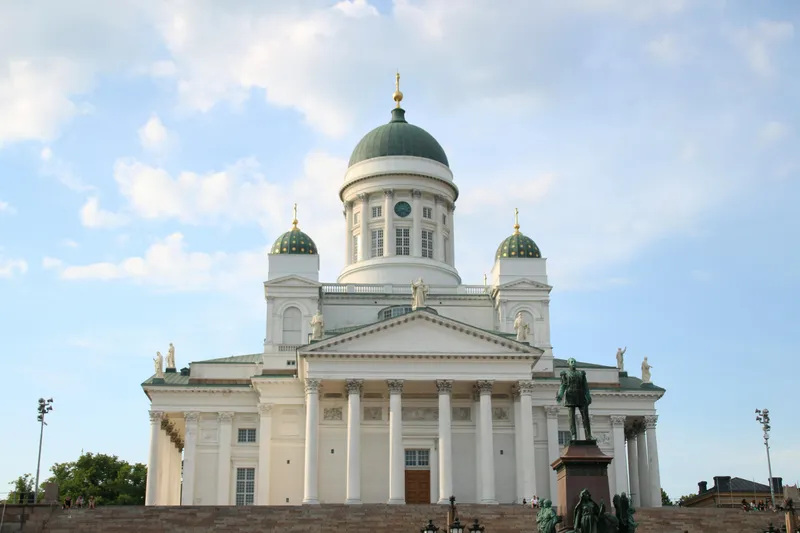
Helsinki is Scandinavia distilled into one city: minimalist design, high quality of life, design-forward thinking, and a particular relationship with nature and water. The city sits on the Baltic, surrounded by islands and forests. The architecture—from Alvar Aalto's modernism to contemporary buildings—reflects Finnish design philosophy: form follows function; materials are natural; beauty emerges from simplicity. The city is young (founded in the 16th century, rebuilt repeatedly) so it lacks the medieval history of other European capitals. Instead, it's forward-thinking, focused on innovation and design. The café culture is strong; saunas are cultural (hundreds throughout the city); summer light lasts until nearly midnight; winter darkness brings introspection and unique hygge. Helsinki feels like a city that knows what it wants and has built itself accordingly.
Best Time to Visit
June and July offer white nights (nearly 24-hour daylight), mild temperatures, and outdoor culture at its peak. May and August work well. Winter brings darkness and cold but also Northern Lights possibility and an intimate, moody atmosphere. Spring (April-May) and fall (September) offer balanced conditions.
### Neighborhoods and Areas to Know
Kamppi The central shopping and transit hub, Kamppi is modern, busy, and where tourists congregate. It's contemporary Helsinki but lacks charm.
Kaartinkaupunki (Design District) This compact area east of the center is Helsinki's design and creativity hub. Galleries, design studios, boutiques, and restaurants define it. Walking here, you understand Finnish design philosophy.
Töölönlahti A residential neighborhood with museums, parks, and the botanical garden. It's quieter than the center with nature integration that's very Helsinki.
Hakaniemi A working-class neighborhood with local character, markets, and genuine community. It's less touristy than central areas; it's where locals live and gather.
Suomenlinna A UNESCO World Heritage fortress island accessible by a short ferry, Suomenlinna is both historically significant and a nature escape. Walking its paths and exploring ruins is a quintessential Helsinki experience.
### Food & Drink
Finnish cuisine emphasizes fresh, local ingredients: fish (especially salmon), reindeer, mushrooms, berries, rye bread, and simple preparations. The café culture is about quality coffee and pastries; Finns take both seriously. Design-forward restaurants elevate Nordic ingredients with technique. Street food includes hot pastries and sandwich shops; mid-range restaurants serve contemporary Nordic cuisine; elevated dining is world-renowned for Finnish ingredients and technique.
### Experiences by Traveler Type
Couples - Take a sauna together (many public saunas exist; ask locals for recommendations) - Rent a boat and explore the islands and archipelago at a leisurely pace - Share long dinners at design-forward restaurants in the Design District - Walk Suomenlinna fortress island together, exploring ruins and nature
Solo Travelers - Stay in a design-focused hostel where there's community and design engagement - Take a cycling tour through neighborhoods, learning routes and contemporary Helsinki - Spend time in design museums and galleries, understanding Finnish aesthetic - Participate in a sauna experience with locals—it's social and genuinely Finnish
Groups - Book a group sauna and dinner experience - Rent bikes and explore neighborhoods and island areas together - Take a design tour of Helsinki's architecture and buildings - Organize island-hopping by ferry, exploring different areas
Families - Visit Suomenlinna by ferry for fortress exploration and nature walks - Explore parks and the botanical garden for nature engagement - Visit museums designed for families (natural history, children's museums) - Rent family bikes for neighborhood exploration
Adventure Travelers - Kayak among the islands and in the archipelago - Hiking or cycling in surrounding forests and natural areas - Summer cabin stays in the region - Cross-country skiing in winter (if visiting that season)
### Getting Around
Public transportation (metro, trams, buses) is integrated and efficient. Bikes work well in warmer months. Taxis are available. Ferries connect to islands. Walking reaches central areas; transportation connects neighborhoods. Design-forward public spaces make transit enjoyable.
### Insider Tips
- 1The sauna is cultural, not luxury. Public saunas (not spa saunas) are where Finns actually relax. It's gender-separated, casual, and genuinely social. Go with locals if possible; ask at your accommodation.
- 1Suomenlinna is essential. The ferry ride is short, the island is significant, and the fortress exploration is engaging. Spend a full day there rather than a quick visit.
- 1Design museums reward curious engagement. Rather than rushing through major museums, spend time understanding Finnish design philosophy. The clarity and purpose behind objects is worth understanding.
- 1Summer daylight is disorienting and wonderful. If you visit in June or July, expect near-24-hour daylight. It's energizing, unusual, and very northern. Embrace it.
- 1Winter is dark and beautiful if you prepare mentally. If visiting November-January, expect darkness and cold. But the mood is contemplative, the Northern Lights are possible, and the indoor culture is warm and communal.
### The Velvano Touch
Helsinki is a city that rewards design-forward thinking and outdoor engagement. The Scandinavian approach to life—quality over quantity, design integrated into everyday experience, nature as essential—defines the city. We'll craft your days around understanding this perspective: visiting design sites, taking saunas, exploring islands, moving slowly through cafés and public spaces, experiencing what makes Helsinki distinctly Finnish and Nordic.
---
Food & Drink
Finnish cuisine emphasizes fresh, local ingredients: fish (especially salmon), reindeer, mushrooms, berries, rye bread, and simple preparations. The café culture is about quality coffee and pastries; Finns take both seriously. Design-forward restaurants elevate Nordic ingredients with technique. Street food includes hot pastries and sandwich shops; mid-range restaurants serve contemporary Nordic cuisine; elevated dining is world-renowned for Finnish ingredients and technique.
Getting Around
Public transportation (metro, trams, buses) is integrated and efficient. Bikes work well in warmer months. Taxis are available. Ferries connect to islands. Walking reaches central areas; transportation connects neighborhoods. Design-forward public spaces make transit enjoyable.
Insider Tips
- 1The sauna is cultural, not luxury. Public saunas (not spa saunas) are where Finns actually relax. It's gender-separated, casual, and genuinely social. Go with locals if possible; ask at your accommodation.
- 1Suomenlinna is essential. The ferry ride is short, the island is significant, and the fortress exploration is engaging. Spend a full day there rather than a quick visit.
- 1Design museums reward curious engagement. Rather than rushing through major museums, spend time understanding Finnish design philosophy. The clarity and purpose behind objects is worth understanding.
- 1Summer daylight is disorienting and wonderful. If you visit in June or July, expect near-24-hour daylight. It's energizing, unusual, and very northern. Embrace it.
- 1Winter is dark and beautiful if you prepare mentally. If visiting November-January, expect darkness and cold. But the mood is contemplative, the Northern Lights are possible, and the indoor culture is warm and communal.
### The Velvano Touch
Helsinki is a city that rewards design-forward thinking and outdoor engagement. The Scandinavian approach to life—quality over quantity, design integrated into everyday experience, nature as essential—defines the city. We'll craft your days around understanding this perspective: visiting design sites, taking saunas, exploring islands, moving slowly through cafés and public spaces, experiencing what makes Helsinki distinctly Finnish and Nordic.
---