Overview
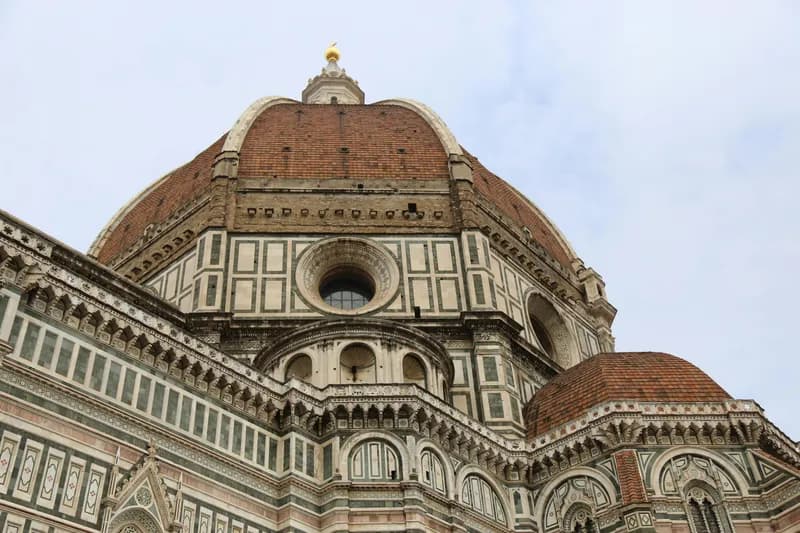
Florence is the Renaissance made tangible. Walking these streets, you're immersed in art, architecture, and history—the Uffizi Gallery, the Duomo, the Accademia, the Ponte Vecchio not as separate sites but as parts of a city that collectively IS art. The Arno river divides the city; the streets form a compact, walkable grid; every view frames another masterpiece. Yet beneath the tourism, Florence remains a living city: residents navigate the crowds; local families gather in piazzas; neighborhood restaurants serve to generations of customers. The light on the terracotta roofs is legendary; the stone glows; the proportions feel fundamentally human. Florence demands engagement with history and beauty; it's not a casual city. But the reward is understanding why this place mattered—why the Renaissance began here and why it still feels like the center of something important.
Best Time to Visit
April through May and September through October offer warm weather without intense summer heat. The light is exceptional. Spring brings renewal energy; fall brings contemplative quality. June through August are hot, crowded, and expensive. Winter is cool and quiet, allowing museums and churches to be experienced with fewer people.
Neighborhoods to Know
Centro Storico (Historic Center) The core around the Duomo and Uffizi is where major sites concentrate. It's intensely touristy but also genuinely remarkable. The architecture is Renaissance at its finest; the energy is serious (people engaging with art and history) rather than frivolous.
Oltrarno (Across the Arno) West and south of the Ponte Vecchio, Oltrarno is more residential and less relentlessly touristy. It has artisan workshops, galleries, local restaurants, and a quieter energy. The Pitti Palace is here, along with neighborhood life.
San Lorenzo Around the market and basilica, San Lorenzo is where Florentines actually shop and gather. It's less overtly touristy than the center but still convenient. The market is sensory and alive; the basilica is spiritual and artistic simultaneously.
San Frediano A quieter neighborhood with local bars, restaurants, galleries, and markets. It's where younger Florentines live; where contemporary Florence exists alongside historic layers.
Piazzale Michelangelo A hilltop plaza south of Oltrarno, Piazzale Michelangelo offers the most iconic view of Florence. It's busy with tourists but the view is genuinely extraordinary—worth the crowd.
Food & Drink
Florentine cuisine is simple and ingredient-focused: Tuscan bread, olive oil, beans, grilled meats, simple pasta shapes. Bistecca alla fiorentina (Florentine steak) is famous; ribollita (bean stew) is soul food. The city's position in Tuscan wine country means wine is available and good. Gelato is serious; various shops have earned decades-long reputations. Coffee is quick and strong. Street food means focaccia, panini, and quick pasta; mid-range restaurants serve Florentine specialties; elevated dining presents Tuscan ingredients with technique.
Getting Around
Florence is best explored on foot; everything is within walking distance. The city bans cars from the center. Buses connect peripheral areas. Taxis are available but unnecessary in the walkable center. Trains connect to surrounding Tuscan towns.
Insider Tips
- 1Book major museums in advance. The Uffizi and Accademia have long lines; online booking (even the same day) saves hours. Museums are less crowded earlier in the day and in winter.
- 1Church art is exceptional and less crowded than museums. Santa Maria Novella, Santa Croce, and others contain masterpieces visible for free or minimal donation. The experience is quieter and more spiritual.
- 1Oltrarno is your secret advantage. Stay or spend time on the south side of the Arno; it's exponentially quieter than the center while remaining within walking distance. This makes the difference between exhausting tourism and genuine exploration.
- 1Gelato quality varies dramatically. Avoid shops with obvious artificial colors or excessive décor. Look for understated presentation and simple flavors—that's where care lives.
- 1The Duomo dome climb is worth it. Even if you've seen the exterior, climbing the interior offers perspective on the engineering and Florence that photographs don't capture.
### The Velvano Touch
Florence is dense with art and history; this can overwhelm or enchant depending on your approach. Rather than trying to see everything, we'll craft your days around what draws you—whether that's painting and sculpture, architecture, food, or quieter neighborhood discovery. You'll move at a pace that allows genuine engagement rather than rushing through checklist sites. The goal isn't to say you've seen Florence; it's to understand why it mattered and why it still does.
---