Overview
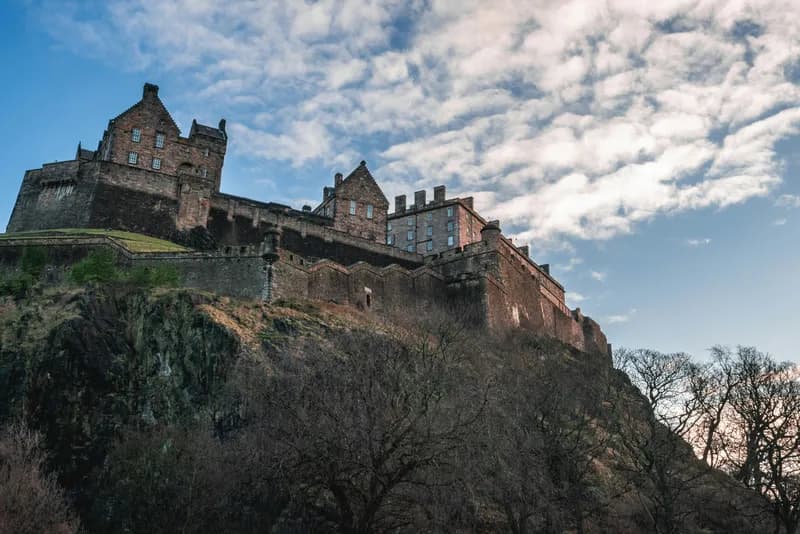
Edinburgh is a city built on drama. The castle perches on an extinct volcanic crag; the Old Town cascades down to Princes Street and the Georgian New Town beyond. The architecture—medieval closes, Georgian crescents, Victorian tenements—tells layers of Scottish history. The city has intellectual weight: university students, writers, philosophers, activists living and studying here. The festival culture (Edinburgh International Festival especially) brings world-class theater and arts to the city each August. Yet beyond tourism, Edinburgh remains a genuine Scottish city with local neighborhoods, working communities, and a distinct cultural identity. The climate is moody (often grey, sometimes dramatic); the light can be extraordinary; the pace is slower than London, more reflective.
Best Time to Visit
May through June and September through October offer mild weather and good light without peak summer crowds or winter darkness. August brings the festival and huge crowds but also unmatched cultural energy. December features Christmas markets and festive light. Winter is cold and dark but brings solitude and atmosphere.
Neighborhoods to Know
Old Town The medieval heart of Edinburgh, the Old Town tumbles down from the castle along the Royal Mile. It's historic, atmospheric, touristy, and genuinely remarkable. Narrow closes (alleyways) hide restaurants, shops, and local life within the famous streets.
Princes Street This long street separates the Old Town from the New Town. It's Edinburgh's commercial heart, with department stores, restaurants, and the view of the castle and surrounding landscape. It's touristy but genuine.
New Town Built in the 18th century with geometric precision, the New Town is Georgian architecture at its most elegant. Tree-lined streets, crescents, and terraces create one of Europe's finest urban planning examples. It's more residential and less touristy than the Old Town.
Leith A formerly industrial port district north of the center, Leith is undergoing renaissance. It's become a foodie destination with excellent restaurants, breweries, and independent shops. It feels genuinely lived-in compared to the Old Town.
Stockbridge A village-like neighborhood with independent shops, galleries, cafés, and Sunday markets. It feels more authentically Edinburgh than tourist-heavy areas; locals gather here for coffee and browsing.
Calton Hill Overlooking the city, Calton Hill offers monuments, walking paths, and extraordinary views. The monuments are Victorian-era architectural statements; the views encompass the entire city and surrounding landscape.
Food & Drink
Scottish cuisine emphasizes quality ingredients and hearty preparation: haggis, fish and chips, venison, salmon, stews, and oatcakes. The restaurant scene has modernized significantly; Edinburgh has excellent dining ranging from casual to world-class. Whisky is cultural—different regions produce distinct expressions. Tablet (a Scottish sweet) and shortbread are traditional. Street food means fish and chips from proper establishments; mid-range restaurants serve Scottish cuisine with contemporary sensibility; elevated dining presents Scottish ingredients with technique.
Getting Around
Edinburgh's center is walkable for exploration, though hills require fitness. The bus system is extensive and connects neighborhoods. Taxis are available. Trains connect to surrounding regions. Walking is the primary mode for central exploration; buses extend reach to peripheral neighborhoods.
Insider Tips
- 1The Royal Mile is touristy but walk it anyway. It's atmospheric; go early morning or late evening when crowds thin. The stone, the views, the close feel genuinely medieval.
- 1The closes (alleyways) are worth exploring thoroughly. These narrow passages between buildings contain restaurants, bars, and shops hidden from main streets. Wander them; you'll discover genuine Edinburgh.
- 1Arthur's Seat at dawn is transformative. The hill is busy in the afternoon; at dawn, it's quiet, the light is exceptional, and you'll have the views and experience to yourself.
- 1New Town is underrated for walking. The geometric streets, the Georgian architecture, the quietness compared to Old Town—it's one of Europe's finest neighborhoods to walk and observe.
- 1The festival is worth experiencing once but can overwhelm. August brings world-class theater and arts but also crowds and prices. Off-season Edinburgh is often preferable for genuine exploration.
### The Velvano Touch
Edinburgh rewards those who move beyond the castle and Royal Mile into neighborhoods and quieter spaces. The city's character emerges in its closes, its Georgian terraces, its independent bookshops, and its communities that aren't focused on tourism. We'll craft your days around discovering Edinburgh's layers—the medieval past, the Georgian elegance, the contemporary culture—while maintaining the space to wander and absorb the city's particular Scottish atmosphere.
---