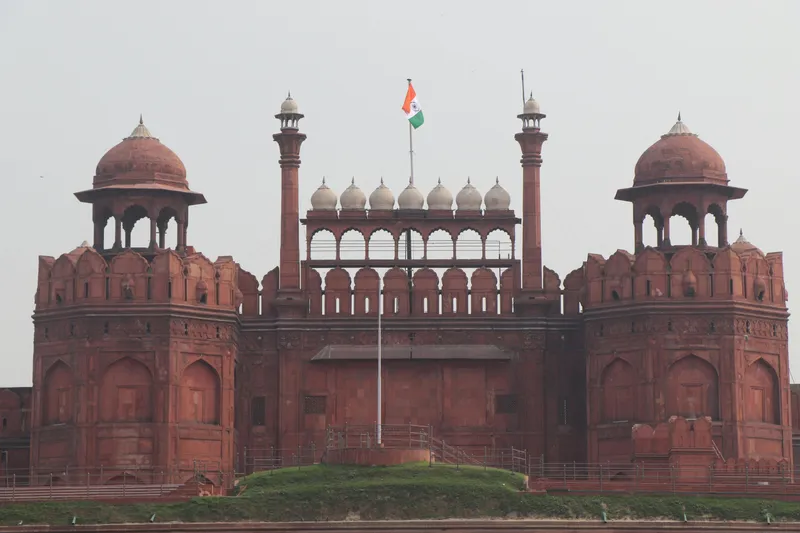
Overview
Delhi is overwhelming and exhilarating in equal measure. The city layers history—ancient ruins of empires, Mughal architecture, British colonial buildings, modern high-rises—all compressed into a geography that moves from serene monuments to absolutely cacophonous markets within minutes. Old Delhi (Shahjahanabad) is a medieval walled city where narrow lanes wind past spice shops, street food vendors, and centuries-old mosques. New Delhi is grand, planned, and quieter. The air tastes of spices, car exhaust, and incense. The food is among the world's greatest—each neighborhood, each street, each stall offers distinct flavors and preparations. Delhi demands tolerance for chaos; in exchange, it offers profundity. First-time visitors often find it jarring; return visitors find it irresistible.
Best Time to Visit
October to March brings cooler temperatures and clearer air; November-February is ideal. March to May is hot (often above 40°C/104°F) but still bearable. June to September is the monsoon—hot, humid, and polluted. December-January are coldest and most touristy. Air quality spikes in late October and November due to harvest-burning in surrounding regions; March-May often has poor visibility.
Neighborhoods to Know
Old Delhi (Shahjahanabad): The walled medieval city, dense and chaotic, centered around the Jama Masjid and Chandni Chowk (main bazaar). Lanes are narrow, crowds are intense, and the sensory overload is complete—but this is where Delhi's soul lives. Early mornings are less hectic; afternoons and evenings are thunderous.
New Delhi: The planned capital, built by the British in the early 20th century. It's grand, geometric, and quiet compared to Old Delhi. Monuments cluster here (India Gate, Rajpath), along with museums and government buildings. It's easier to navigate but lacks Old Delhi's immediacy.
Connaught Place: The commercial hub, circular in design, with shops, restaurants, and offices radiating from a central park. It's touristy but functional; many travelers base themselves here for accessibility.
Paharganj: The budget traveler's neighborhood, packed with backpacker hostels, tourist restaurants, and a very backpacker-heavy vibe. It's a bit of a tourist bubble, but convenient and social.
Hauz Khas: A happening neighborhood with lakes (Hauz Khas Lake), ruins (medieval village ruins), restaurants, bars, and a younger crowd. It's where contemporary Delhi gathers—far from tourist clichés, closer to actual city life.
Jangpura, Greater Kailash, Lajpat Nagar: Residential neighborhoods with local restaurants, markets, and the rhythms of actual Delhi life. Staying here puts you among local life rather than tourism infrastructure.
Food & Drink
Delhi food is a synthesis of Mughal, Punjabi, and North Indian traditions. Breads are foundational—naan, roti, paratha, kulcha—often served with curries. Street food is a religion: chaat (savory snacks), parathas, kebabs, and sweets.
Street Food & Stalls: Chole bhature (spiced chickpeas with fried bread), chaat varieties (papdi, dahi puri, aloo tikki), kebabs, samosas, and endless sweets. Chandni Chowk is the epicenter, but every neighborhood has excellent street stalls.
Mid-Range Dining: Restaurants serving North Indian food, street food elevated to sit-down format, and regional Indian cuisines. Many are family-run and excellent; dhabas (casual eateries) serve truck drivers and locals alongside tourists.
Elevated Dining: Delhi has some of India's best restaurants, exploring traditional recipes with modern technique, often in heritage spaces. These restaurants respect tradition while pushing boundaries.
Experiences by Traveler Type
Every traveler is different. Explore what Delhi has to offer based on how you like to travel.
Experiences by Traveler Type
- Pre-dawn exploration of Old Delhi, arriving before crowds, visiting the Jama Masjid as morning light breaks, then breakfast at a hole-in-wall paratha shop
- Private cooking class making North Indian breads and curries in a home or cooking school, followed by a shared meal and conversation
- Sunset visit to Humayun's Tomb or similar monument, arriving when light turns golden and crowds thin
- Evening chaat tour through different neighborhoods, sampling various regional versions and comparing notes
Getting Around
The Delhi Metro is exceptional—fast, clean, and cheap; it covers most major areas. Taxis and auto-rickshaws are everywhere; Uber, Ola (India's ride-sharing), and Grab work well. Motorbikes are rentable but traffic is intense. Walking is viable in certain neighborhoods (New Delhi, parts of Connaught Place) but exhausting in others. Cycle-rickshaws are cheaper than motorized options and fun for short distances.
Insider Tips
- 1Old Delhi is best visited early morning (5-7 AM). Crowds increase dramatically by 9 AM; early hours reveal a different city—quieter, focused, where you see actual neighborhood life.
- 1Street food is the best food and extraordinarily cheap. Eat where lines form and turnover is high. Ask locals where to eat; they'll point you to the legendary stalls that have been operating for decades.
- 1The Red Fort and Jama Masjid require modest dress. Cover knees and shoulders; this is enforced and observed. Shoes are removed at the mosque; women may be given scarves.
- 1Learn "thank you" (dhanyavaad) and "spicy" (tez). The effort will earn you better treatment from vendors and street food makers who appreciate respect for their language.
- 1Day trips to Agra, Mathura, and monuments outside the city are easy. Trains leave frequently and cost very little; consider extending your stay in the region beyond Delhi itself.
---