Overview
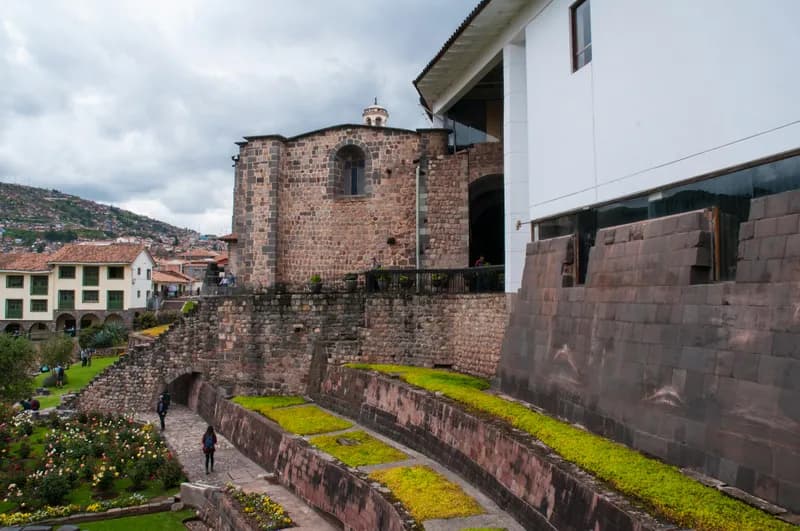
Cusco sits at 11,000 feet, and the altitude announces itself immediately—but persevere through the initial breathlessness and the city reveals itself as the spiritual and historical heart of the Incan Empire, layered with Spanish colonialism and contemporary Peruvian energy. The Plaza de Armas pulses with indigenous vendors, tourists, and locals conducting daily life in the shadow of the cathedral. Incan stonework—walls so precisely fitted that mortar wasn't needed—sits beneath Spanish colonial buildings built directly on top. It's archaeological palimpsest in stone. Markets overflow with textiles, alpaca wool, and traditional goods. Most visitors come for Machu Picchu, but Cusco itself—with its complex history and living culture—deserves equal attention.
Best Time to Visit
May–October brings the dry season—sunny days, cool nights, and ideal hiking conditions. June–August is peak season with highest prices and largest crowds. April and November offer good weather with fewer tourists. December–March is wet season, but the landscape turns green and prices drop significantly. Acclimatize for at least a day before hiking or strenuous activity.
Neighborhoods to Know
Plaza de Armas and Historic Center: The heart of the city with the cathedral, colonial buildings, and indigenous vendors. Touristy but undeniably significant historically and culturally.
San Blas: A hilltop neighborhood of narrow streets, colonial buildings, and bohemian cafés. More atmospheric than Plaza de Armas and less crowded, though increasingly touristy.
Barrio de Santa Ana: A local residential area with markets, small restaurants, and genuine indigenous culture. Less polished than San Blas but more authentically lived.
Chinchero: A small town above Cusco, known for textiles, markets, and colonial buildings. Worth a half-day visit for textile weaving demonstrations and fresh mountain air.
The Sacred Valley: A region of towns (Ollantaytambo, Pisac) north of Cusco with markets, ruins, and trekking access. Often visited as a day trip or overnight.
Food & Drink
Cusco's food reflects high-altitude Andean traditions and indigenous heritage. Ceviche appears even at altitude. Cuy (guinea pig) is traditional and worth trying despite the cute factor. Lomo Saltado (stir-fried beef) is satisfying and ubiquitous. Papa a la Huancaína (potatoes in creamy sauce) tastes comfort-food delicious. Fresh quinoa and oca (traditional Andean potato) appear regularly.
Street Level: Vendors sell empanadas filled with meat or cheese. Markets offer fresh rainbow potatoes, corn, and prepared dishes that locals eat. Street carts sell anticuchos (grilled meat skewers) in the evening. Fresh juice from local fruits and roots is revelatory.
Mid-Range: Casual restaurants near Plaza de Armas serve traditional Cusqueña cooking. Neighborhood spots in San Blas and Santa Ana offer authentic highland cuisine at genuine prices. Pizza and international options have proliferated to cater to tourists.
Elevated: Contemporary restaurants in San Blas and the historic center blend Andean ingredients with refined technique. Expect modernized versions of traditional dishes, curated wine lists, and respectful treatment of indigenous culinary heritage.
Getting Around
Cusco's historic center is walkable and best explored on foot. Altitude makes rushing unwise—pace yourself. Colectivos (shared vans) connect to the Sacred Valley and nearby towns cheaply and frequently. App-based rides work well within the city. Taxis are plentiful but negotiate prices. Hiking to ruins requires guides in many cases—available through hotels or dedicated trekking companies.
Insider Tips
- 1Acclimatize on arrival. Rest your first day, drink coca tea (genuinely helps), and avoid alcohol and heavy meals. The altitude isn't dangerous if you approach it respectfully.
- 1The Sacred Valley is worth an overnight. Day trips are possible but feel rushed. Ollantaytambo or Pisac offer atmosphere and reduce pressure for rushing through Machu Picchu.
- 1Markets early in the morning are best. Vendors are fresh, selection is full, and the crowds haven't arrived. Chinchero's Sunday market is one of Peru's best.
- 1Guides are genuinely helpful. While Cusco can be navigated independently, local guides add context to history and culture that transforms a visit from sightseeing into understanding.
- 1Skip packaged Machu Picchu day trips from Cusco if possible. The train from the Sacred Valley is more scenic, and staying overnight in the mountain allows for quieter morning visits to the ruins.
### The Velvano Touch
Cusco is the gateway to Machu Picchu, but the city itself—layered with indigenous heritage, colonial architecture, and contemporary Andean culture—deserves depth of exploration. We craft itineraries that balance the iconic trek with time in markets, colonial neighborhoods, and the Sacred Valley, revealing how Cusco functions as living history rather than merely archaeological backdrop.
---