Overview
Copenhagen is a city that balances competing desires with grace. It's a major European capital with world-class restaurants and design, yet it maintains a neighborhood feel and human scale. The aesthetic is minimalist Scandinavian—clean lines, natural materials, restrained color palettes—yet the energy is warm and convivial. "Hygge" (coziness, contentment) defines the culture: long afternoons in cafés, warmth in winter, gathering with friends, simple pleasures. The city is remarkably bike-friendly (locals commute by bike regardless of weather); pedestrian-focused; and genuinely committed to quality of life. The harbor has transformed into a cultural hub; the neighborhoods each have distinct character; the food culture is exceptional. Copenhagen feels both contemporary and rooted in traditions that actually matter to residents.
Best Time to Visit
May and September offer ideal weather and a sense of arrival (after winter darkness) or transition (before winter returns). Summer is warm and the outdoor culture peaks; winter is dark and cold but the hygge feeling intensifies and fewer tourists crowd. Spring light is exceptional.
Neighborhoods to Know
Nørrebro Nørrebro is Copenhagen's creative, bohemian heart. Street art, independent shops, vintage markets, diverse food culture, and a young progressive energy define it. It's where artists live and work; where new restaurants and galleries open; where the city's contemporary edge exists.
Vesterbro Vesterbro is gritty in the best way—older working-class neighborhood evolving with galleries, restaurants, and a creative community. It hasn't gentrified fully; it retains authenticity and edge. It feels like a real neighborhood, not a packaged experience.
Christianshavn Across a canal from the city center, Christianshavn has canals, old sailing ships, and a village-like atmosphere despite being in central Copenhagen. It's where locals escape; quieter and more residential than other central neighborhoods.
Strøget The main pedestrian shopping street connects the city center and Royal Palace. It's touristy and commercial but undeniably lively; you'll see all of Copenhagen here—locals and tourists, designers and families, culture and commerce mixing.
Latin Quarter Around the university, this area has cafés, bookshops, students, and intellectual energy. It's atmospheric in an old-Europe way, with narrow streets and a sense of history. It's less touristy than Strøget despite being central.
Food & Drink
Danish cuisine emphasizes quality ingredients simply prepared: rye bread, smørrebrød (open-faced sandwiches), fish, pickled vegetables, root vegetables. The New Nordic movement, centered in Copenhagen, emphasizes local, seasonal ingredients. Pastries are exceptional—Danish pastries originated here. Coffee culture is serious. Craft beer is important. Street food means smørrebrød from carts; mid-range restaurants serve contemporary Nordic cuisine in casual settings; elevated dining is world-renowned for technique and ingredient focus.
Getting Around
Copenhagen is a cyclist's paradise—rent a bike and join the flow. Public transportation (metro, trains, buses) is excellent and integrated. Taxis are reliable but expensive. Walking works for central areas. Bikes are genuinely the best way to move and experience the city like locals do.
Insider Tips
- 1Rent a bike on your first day. The entire city transforms once you can move like locals do. Even if you're not a confident cyclist at home, Copenhagen's flat terrain and bike infrastructure make it feasible.
- 1The main attractions are short—plan accordingly. Tivoli, Rosenborg Castle, and other major sites can be done in hours, not days. Use time for neighborhoods and cafés rather than extended site visits.
- 1Nørrebro Street is where locals actually are. This is the neighborhood's main artery with markets, restaurants, and life. Experience it on a Saturday morning.
- 1Hygge is real and valuable. Rather than rushing, spend time in cafés, in cozy bars, with simple food. This is Copenhagen's actual culture, not a marketing phrase.
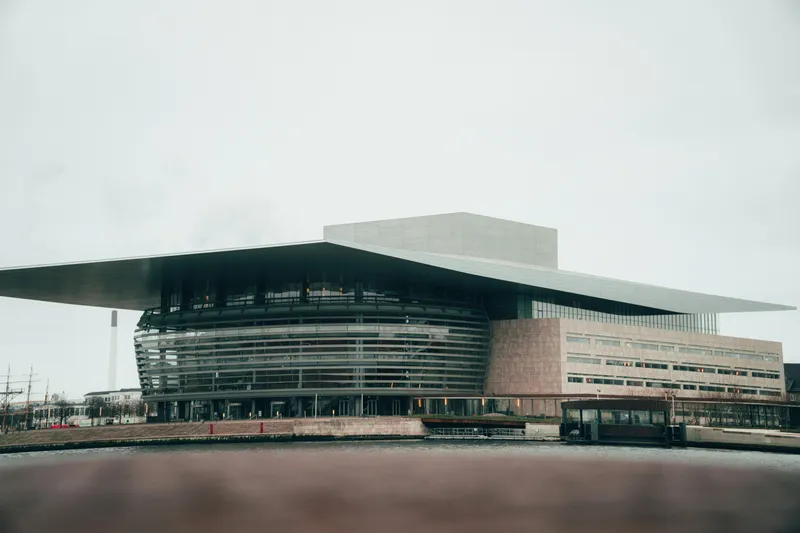
- 1The harbor area has transformed in the last two decades. Once industrial, it's now cultural and dining-focused. Walk it thoroughly—it's genuinely beautiful and worth time.
### The Velvano Touch
Copenhagen rewards slow, deliberate exploration. The city isn't about major attractions; it's about understanding how Scandinavian life actually works—bikes, coffee, neighborhood gathering, quality focus, and contentment with simplicity. We'll craft your days around neighborhood exploration, café culture, cycling, and the particular rhythm that makes Copenhagen feel like the most livable city in Europe.
---