Overview
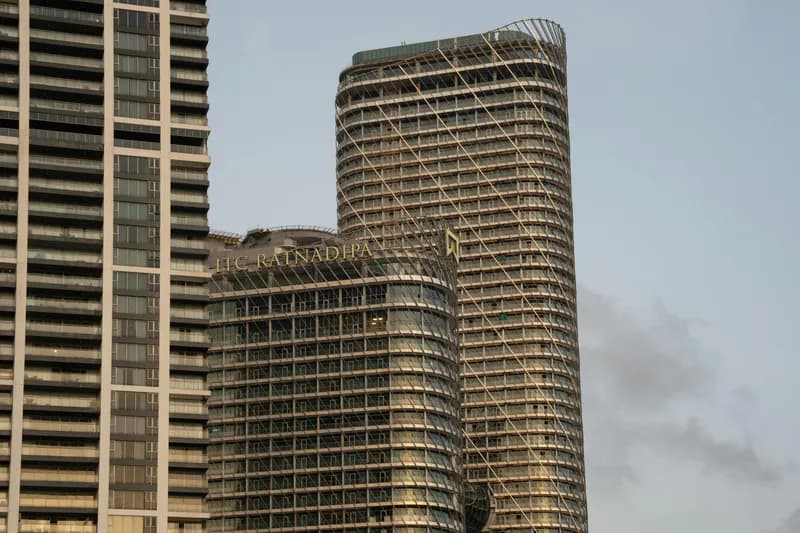
Colombo sprawls across a coastline, a port city that's been shaped by centuries of trade, colonialism, and independence. It's not the prettiest South Asian capital, but it has an undeniable energy—colonial buildings next to modern skyscrapers, luxury malls adjacent to chaotic markets, temples and mosques and churches sharing neighborhoods. The city is ramshackle in parts, refined in others; this collision gives it character. The seafront is being continuously developed, though crumbling colonial facades remain as reminders of a different era. The food here is Sri Lankan at its most varied—curries that balance coconut and spice, short eats (fried pastries and snacks), fresh seafood, all available cheap on the street or refined in restaurants. Colombo isn't a destination to linger for weeks, but three to four days reveals a city that's vibrant, chaotic, and genuinely interesting.
Best Time to Visit
December to March offers dry weather and lower humidity; this is peak season, bringing crowds and higher prices. April to September is the southwest monsoon; afternoon rains are common but mornings are usually clear. Tourist numbers drop significantly in off-season, and prices fall. Humidity is intense year-round; light clothing and hydration are essential.
Neighborhoods to Know
Fort & Colombo City Center: The colonial heart, where Victorian buildings, the Grand Oriental Hotel, and the oldest parts of the city cluster. It's somewhat decrepit, but that decay has charm. Walking these streets, you're moving through Sri Lanka's colonial history and modern contradictions simultaneously.
Galle Face & Colpetty: The seafront promenade and adjacent neighborhood, where the Galle Face Hotel (a colonial institution) anchors a stretch of restaurants, hotels, and parks. It's the most polished part of Colombo, but also the most touristy. Better for sunset walks and meals than extended time.
Cinnamon Gardens: Upscale residential area with galleries, boutiques, restaurants, and a leafy, quieter feel. This is where Colombo's cultural institutions cluster—museums, art galleries, heritage hotels. It's less chaotic than other neighborhoods and good for spending afternoon hours.
Pettah: The Old Market, a dense warren of narrow streets selling everything—fabric, spices, vegetables, religious items, trinkets. It's chaotic, smelly, loud, and absolutely essential. Go early morning for less crowding and better energy.
Galle & Colombo South: Suburbs south of the center, including the suburb of Galle (different from the Galle Fort town), known for quieter residential streets, local restaurants, and a slower pace than downtown.
Food & Drink
Sri Lankan cuisine balances coconut, spice, and rice with expertise. Curries are the foundation—fish curry (with coconut milk and tamarind), chicken curry, vegetable curry—served with white rice, flatbreads, and condiments (sambols, pickles, chutneys).
Street Food & Short Eats: Rolls (wraps with curry), kottu roti (chopped flatbread stir-fried with vegetables and meat), lamprais (rice baked in banana leaves), cutlets, and a universe of fried pastries and snacks. These are sold at hole-in-wall stalls and cost almost nothing.
Mid-Range Dining: Casual restaurants serving curry, rice, and curries, frequented by locals and visitors equally. Many operate at lunch and dinner only; breakfast is street food territory.
Elevated Dining: Colombo has excellent upscale restaurants exploring Sri Lankan cuisine with refinement, often in colonial buildings or hotels. These spaces also serve international food for those not ready to commit to spice.
Experiences by Traveler Type
Every traveler is different. Explore what Colombo has to offer based on how you like to travel.
Experiences by Traveler Type
- Sunset walk on Galle Face Green, watching cricket players, families, and the Indian Ocean, ending with dinner at a seafront restaurant
- Private cooking class learning to make fish curry and short eats, followed by eating your creations in an intimate setting
- Day trip to Negombo (30 minutes north) for a lagoon boat tour at sunrise, watching fishermen and water-based life, then returning to Colombo for lunch and exploration
- Couples massage at a colonial-era hotel spa, followed by exploring Cinnamon Gardens' galleries and boutiques
Getting Around
Colombo is sprawling, and distances are deceptive. Motorbikes and tuk-tuks are everywhere; ride-sharing apps (Uber, PickMe) work and are reliable. Buses are cheap but chaotic. Walking is viable in certain neighborhoods (Fort, Galle Face, Cinnamon Gardens) but exhausting over long distances. Trains run south to coastal towns and are an experience themselves—local, cheap, and scenic.
Insider Tips
- 1Pettah is best in early morning (6-8 AM). Arrive before it reaches peak chaos; you'll see wholesalers, early birds, and working Colombo. By 10 AM it's dense with tourists and heat.
- 1Colonial buildings are open for exploration if you ask. Hotels, banks, and government buildings often allow walk-throughs; many have original features—teak, tilework, architectural details—that reveal Sri Lanka's layered history.
- 1The coastal train south is better than a car ride. The journey to Moratuwa, Mount Lavinia, or beyond takes longer but reveals communities and geographies that highways hide. Go in the afternoon; sunsets from the train are remarkable.
- 1Seafood restaurants near the harbor are cheaper and fresher than those in touristy areas. The restaurants serving port workers often offer better value and better quality than upscale establishments.
- 1Learn "thank you" (dhanyavada) and "delicious" (rasa). These two words will earn you smiles and better treatment from vendors and restaurant workers who appreciate the effort.
---