Overview
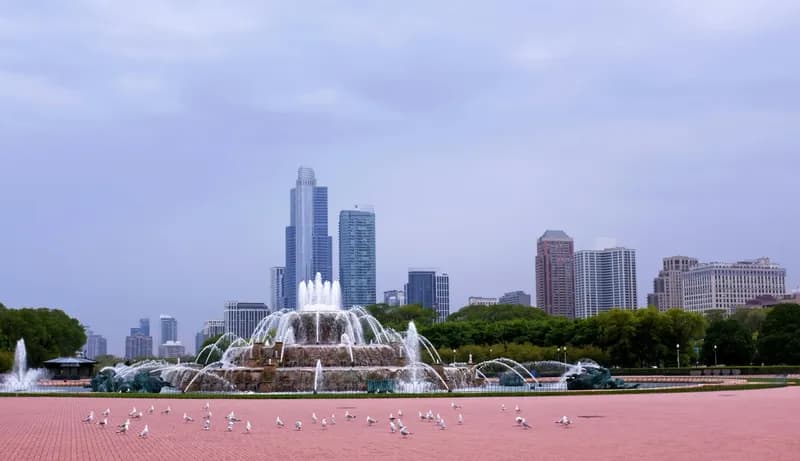
Chicago doesn't seduce—it confronts. The city's skyline, born from architectural ambition and lakeside drama, announces itself boldly against the sky. Walk the streets and you're threading through neighborhoods with distinct identities: artistic enclaves, working-class strongholds, bohemian quarters, and gleaming commercial zones. The food culture is serious without pretension—deep-dish pizza coexists with fine-dining innovation, and the barbecue traditions run deep. Museums of world significance cluster downtown, but the real Chicago lives in residential neighborhoods where locals gather in bars and cafés. It's a city of visible effort, genuine pride, and unabashed personality.
Best Time to Visit
Spring (April–May) and fall (September–October) offer ideal weather—comfortable temperatures and lower humidity. Summer (June–August) brings perfect beach weather and outdoor festivals, though crowds and heat can be intense. Winter (November–March) is cold and harsh, but the city feels more local and prices drop. The architecture is stunning year-round; timing depends on your tolerance for weather extremes.
Neighborhoods to Know
The Loop: The downtown core with most major attractions, office towers, and cultural institutions. Less residential but architecturally significant and historically important.
Lincoln Park: An upscale neighborhood with tree-lined streets, boutique shopping, good restaurants, and younger professionals. Beautiful but somewhat polished and less gritty than other Chicago areas.
Wicker Park: Artsy, bohemian neighborhood with independent shops, vintage stores, street art, and younger creative types. Gentrifying but still genuinely alternative in spirit.
Pilsen: The historic Mexican neighborhood with street murals, taquerías, and authentic cultural institutions. More authentic Mexican culture than anywhere else in the city.
Logan Square: Hip and increasingly gentrified, but still mixed, with great restaurants, bars, and street art. It feels like where young Chicago is right now.
Food & Drink
Chicago's food identity is built on deep-dish pizza (which genuinely originated here, despite debate) and barbecue traditions brought by migrations from the south. Italian beef sandwiches are iconic—thin-sliced beef on long rolls, increasingly elevated by contemporary chefs. Giardiniera (spicy pickled vegetables) appears on everything. Hot dogs here come with specific toppings—mustard, relish, onions, tomatoes, pickles, sport peppers, and celery salt, but never ketchup.
Street Level: Taquerías in Pilsen serve authentic carnitas and carne asada tacos at tiny stalls. Chicago dogs from street vendors are non-negotiable. Italian beef sandwich spots still thrive despite chain expansion. Polish bakeries and delis persist in neighborhoods where Polish communities established roots.
Mid-Range: Casual pizzerias beyond the tourist traps serve deep-dish and regular pizzas in neighborhood settings where locals eat. Barbecue joints range from casual smokehouses to semi-elevated operations. Thai, Vietnamese, and Chinese neighborhoods offer excellent food at accessible prices.
Elevated: Contemporary Chicago restaurants push beyond traditions, reimagining Italian-American, Mexican, and BBQ cuisines with technical precision. Fine dining takes the city's working-class food heritage seriously, elevating rather than dismissing it.
Getting Around
Chicago's grid system makes navigation intuitive. The "L" (elevated train system) connects most neighborhoods efficiently, though peak hours are crowded. Buses are reliable and comprehensive. Biking is increasingly viable on protected lanes. Taxis and app-based rides work well. The city is large enough that you'll want transportation, but walkable within neighborhoods.
Insider Tips
- 1The architecture tours (by foot or boat) aren't optional—they transform how you see the city. Even cynical travelers find the built environment genuinely fascinating.
- 1Skip the famous deep-dish pizza chains. Neighborhood pizzerias do it better, with less wait, at better prices. Locals know where to go; don't rely on guidebook recommendations.
- 1Pilsen's street murals are among the best in North America. Wander the neighborhood with a camera and coffee; the art is continuously evolving and improves throughout the year.
- 1The lakefront is magical year-round—don't relegate it to summer visits. Winter walks along the shore offer solitude and dramatically different light.
- 1Neighborhoods are distinct enough that visiting multiple feels like visiting multiple cities. Don't try to see everything; pick neighborhoods that align with your interests and depth-explore them.
### The Velvano Touch
Chicago is a city that respects ambition, creativity, and genuine effort—travelers who approach it with similar seriousness are rewarded. We craft itineraries that move beyond the mandatory sights to reveal the architectural genius, neighborhood character, and food culture that make Chicago feel like a city that doesn't try to be anything other than itself. From architectural walks to taquería crawls, Chicago unfolds for those willing to explore beyond the obvious.
---