Overview
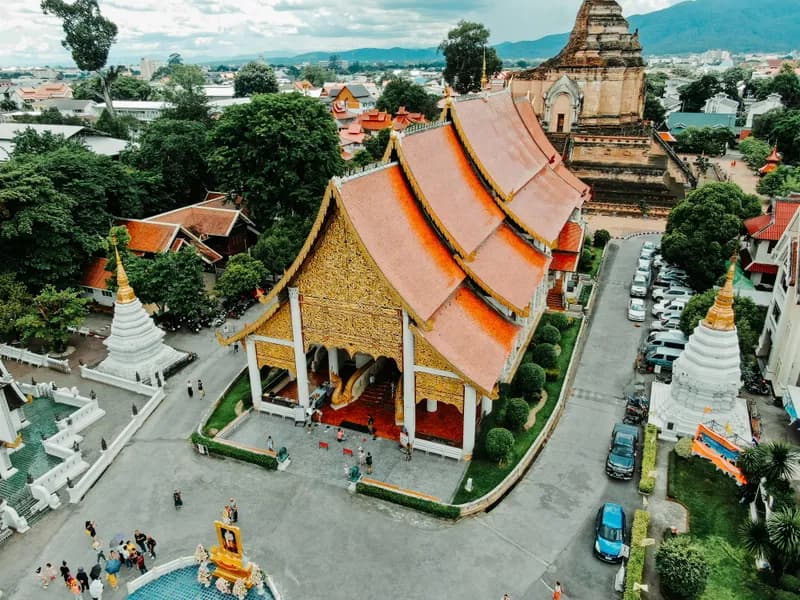
Chiang Mai feels like arriving at a secret before it becomes one. Thailand's second city is slower, quieter, and more spiritually anchored than Bangkok—though it's rapidly modernizing, its bones remain rooted in tradition. The city is surrounded by mountains where hill tribes live, where temples perch on peaks, where the air smells of incense and flowers. Within the old city, enclosed by ancient walls, temples cluster so densely that morning alms-giving processions feel like rivers of saffron robes flowing through narrow lanes. The craft traditions here—silks, ceramics, wood carving, lacquerware—aren't museum pieces; artisans still work in studios you can visit. The food is distinct from Bangkok, heavier on herbs and lighter on heat (though you can request spicy). Chiang Mai rewards lingering; it's the kind of place where you arrive for a few days and suddenly you're booking another two weeks.
Best Time to Visit
November to February is cool and dry—the best time to visit, though crowds and prices increase accordingly. March to May is hot (sometimes unbearably so) but shoulder season with fewer tourists. The rainy season (May-October) brings afternoon downpours and vivid green landscapes; mornings are often clear. December and January are peak season; aim for November or February for good weather with fewer crowds.
Neighborhoods to Know
Old City: The ancient walled city where Chiang Mai's spiritual life concentrates. Temples anchor every few blocks; morning alms-giving (tak bat) happens around 5:30-6:30 AM when monks walk the streets and locals place sticky rice in their bowls—a ritual unchanged for centuries. Guesthouses, restaurants, and shops cluster here, and despite its smallness, you could spend weeks discovering new sois (alleys).
Nimmanhaemen (Nimman): The cosmopolitan neighborhood, filled with cafes, restaurants, boutiques, and a younger vibe. It's where digital nomads and young Thais congregate; less spiritual than Old City but more comfortable for those seeking modern amenities alongside cultural exploration.
Riverside: Along the Ping River, east of Old City. Quieter, more residential, with excellent local restaurants and a slower pace. This is where some of Chiang Mai's best food happens, eaten at plastic stools by locals.
San Kamphaeng & Bo Sang: Craft villages east of the city, known for silk weaving (San Kamphaeng) and umbrella making (Bo Sang). Visiting workshops here lets you watch artisans work and buy directly from makers—prices are fair and quality is exceptional.
Hang Dong: South of the city, known for woodcarving and traditional crafts. It's less touristed than other artisan areas and feels more purely devoted to the actual work rather than visitors.
Food & Drink
Chiang Mai cuisine is distinct and herbaceous—lots of raw vegetables, fewer chilies than Bangkok, more emphasis on sticky rice. The signature dish is khao soi, a curry noodle soup that's comfort food elevated.
Street Food & Local Stalls: Khao soi (curry noodles), sai oua (northern sausage), larb (minced meat salad), khao kha moo (pork leg over rice), and sticky rice wrapped in banana leaves. The best places are family stalls that have been in the same location for decades, often operating without signage or English.
Mid-Range Dining: Small restaurants in Old City and Riverside, many run by families, serving khao rad and regional specialties. Many cater to locals despite their proximity to tourists; ask where locals eat.
Elevated Dining: Chiang Mai has excellent mid-range restaurants exploring northern traditions alongside modern techniques. Several are operated by women chefs reclaiming and elevating traditional recipes.
Experiences by Traveler Type
Every traveler is different. Explore what Chiang Mai has to offer based on how you like to travel.
Experiences by Traveler Type
- Sunrise alms-giving (tak bat) walk through Old City—you'll wake before dawn, position yourself along a quiet lane, and witness this daily ritual of spiritual reciprocity; your guide will explain the custom
- Private cooking class in a family home or cooking school, learning to make khao soi and other northern dishes, followed by sharing the meal together in the kitchen
- Couples massage at a traditional Thai massage school, learning techniques you can practice on each other, followed by a sunset dinner overlooking rice paddies
- Sunset hike to a temple on a nearby mountain (Doi Suthep or Doi Pui), timing your arrival for golden light, then descending to a quiet restaurant for dinner
Getting Around
Chiang Mai is compact and walkable, especially Old City. Songthaews (shared red trucks) are cheap and cover set routes; ask locals where they're going or just climb on. Motorbikes are everywhere and cheap to rent; traffic is far less intense than Bangkok. Taxis and ride-sharing apps exist but are less common than in larger cities. Many travelers rent motorbikes for day trips to surrounding areas; it's the most flexible way to explore at your own pace.
Insider Tips
- 1Attend the monk chat program. Many temples offer informal conversation with English-speaking monks in the afternoon; it's free, enlightening, and a genuine exchange of perspective.
- 1Visit craft workshops in the early morning. Artisans work earliest before tourists arrive. You'll see them working with full concentration, and you can ask questions without interruption.
- 1The best local restaurants have no English signs. Wander residential sois in the morning and early evening; where locals eat is where you want to eat. Ask your guesthouse owner for their favorites.
- 1Bike rentals are incredibly cheap and open the city. Exploring by two wheels gives you the freedom of a motorbike without the risk; Chiang Mai's Old City is small enough to cover fully by bicycle.
- 1Sunday Walking Street (Kad Luang) is worth the crowds. It's touristy but also genuinely local; families come here to shop and eat. Go early for the best energy and fewer photographers.
---