Overview
Cartagena stops you in your tracks. The walled old city—a UNESCO site that actually deserves the designation—unfolds like a living museum where tourism hasn't erased authenticity. Cobblestone streets curve past colonial facades painted in jewel tones, and the Caribbean breeze carries the smell of salt, flowers, and grilled fish. The city's history as a slave port and merchant hub sits alongside its current identity as a bohemian gathering place. Street musicians, artists, and travelers blend with locals who've lived here for generations, creating a texture that feels genuinely intercultural rather than performatively diverse. Cartagena seduces through beauty, but it sustains through character.
Best Time to Visit
December through March offers the best weather—sunny, warm, and with lower humidity than other seasons. High season brings crowds and premium pricing. September–November brings green landscapes and fewer tourists, though afternoon showers are frequent. July–August can be hot and humid but offers a quieter experience. Book accommodations in advance during high season; last-minute deals are rare.
Neighborhoods to Know
Walled City (Ciudad Amurallada): The historic core where the main attractions cluster. Beautiful but crowded during peak hours. Quieter early mornings and late evenings reveal the city's authentic rhythm.
Getsemaní: The bohemian neighborhood outside the walls, known for street art, vintage shops, and a younger, more artistic vibe. Increasingly touristy but still genuinely creative and less formal than the walled city.
San Diego: Inside the walls but less touristy than the central plazas. Residential, with locals living and eating alongside visitors. Better for understanding how the city actually functions.
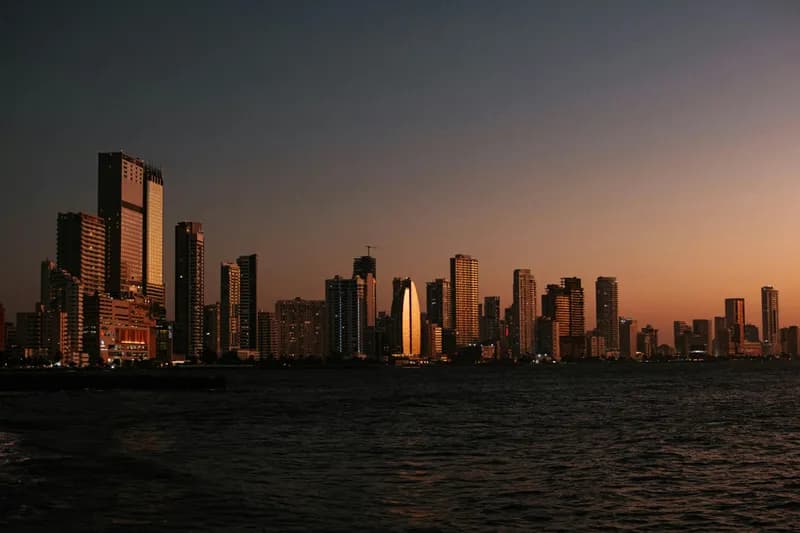
Bocagrande: The modern beach neighborhood with high-rises and resort-style hotels. Less atmospheric but convenient for water sports and beach time.
Castillo San Felipe de Barajas: Not a neighborhood but a fortress on a hill overlooking the city. Worth exploring, and the views at sunset are extraordinary.
Food & Drink
Cartagena's food culture reflects its coastal location and multicultural history. Ceviche is revelatory—fresh fish, lime, cilantro, and nothing more. Patacones (fried plantains) appear at every meal. Bandeja Paisa influences drift in from inland. Fresh tropical fruits taste unlike anything you've had—mango, passion fruit, lulo, guanabana.
Street Level: Vendors push carts selling fresh fruit juices, empanadas, croquetas (croquettes), and arepas filled with cheese or meat. Markets burst with fresh fish and produce. Evening street food vendors offer prepared dishes at tiny stalls.
Mid-Range: Casual restaurants near the walled city serve ceviches, grilled fish, and coastal preparations. Neighborhood spots away from tourist zones offer authentic creole cooking at genuine prices. Street-level vendors operate from small stands and serve standing-room-only crowds.
Elevated: Fine dining establishments in the walled city blend coastal ingredients with refined technique. Expect creative ceviches, heritage preparations elevated through plating, and wine lists that respect Colombian producers.
Getting Around
The walled city is best explored on foot—it's small, manageable, and designed for walking. Getsemaní is also walkable, though a bit grittier. Bocagrande and other neighborhoods are best reached by taxi or app-based rides. Ferries to the Rosario Islands depart from the harbor multiple times daily. Avoid walking alone after dark outside main tourist areas. The city feels safer than many Caribbean ports but requires normal urban caution.
Insider Tips
- 1The walled city is most magical early morning or just after sunset, before and after the day-trippers arrive from cruise ships. Visit major sights at these times to avoid crowds.
- 1Getsemaní is worth exploring even if it's increasingly touristy. Street art, cafés, and vintage shops reveal the city's creative culture. It doesn't require expensive tours—just walking and looking.
- 1The Rosario Islands are close enough for day trips, but staying overnight on one of the smaller islands offers a quieter experience than beach clubs on the main islands.
- 1Street food is genuinely good here. The vendor culture is strong, and high turnover means everything is fresh. Stick to busy spots and you'll avoid any issues.
- 1Book restaurants on the quieter plaza corners rather than on main thoroughfares—better atmosphere, often better value, and you'll eat alongside locals rather than tourists.
### The Velvano Touch
Cartagena's beauty is famous, but its character is what sustains a visit. We craft itineraries that balance the iconic walled city with the creative energy of neighborhoods like Getsemaní, the quiet charm of smaller plazas, and the island excursions that reveal why this coast captivated traders and travelers for centuries. From cobblestone wandering to Caribbean salt air, Cartagena offers both the expected beauty and the unexpected depth.
---